| Type | Description | Contributor | Date |
|---|---|---|---|
 | Post created | Pocketful Team | Feb-11-26 |
Read Next
- SEBI Action on Jane Street: Impact on Indian Markets
- What is Personal Finance?
- Military Wealth Management: Strategies for Growing and Preserving Your Assets
- India’s Republic Day 2025: Honoring the Nation’s Defense Achievements
- 10 Essential Financial Planning Tips for Military Members
- How Do You Apply for PAN 2.0 Online and Get It on Your Email ID?
- 10 Best YouTube Channels for Stock Market in India
- LTP in Stock Market: Meaning, Full Form, Strategy and Calculation
- 15 Best Stock Market Movies & Web Series to Watch
- Why Do We Pay Taxes to the Government?
- What is Profit After Tax & How to Calculate It?
- Budget 2024: Explainer On Changes In SIP Taxation
- Budget 2024: F&O Trading Gets More Expensive?
- Budget 2024-25: How Will New Tax Slabs Benefit The Middle Class?
- Semiconductor Industry in India
- What is National Company Law Tribunal?
- What is Capital Gains Tax in India?
- KYC Regulations Update: Comprehensive Guide
- National Pension System (NPS): Should You Invest?
- Sources of Revenue and Expenditures of the Government of India
Top 10 Best Books on ETF Investing for Beginners & Experts
Written by : Pocketful Team
|Updated by : Pocketful Team
Published on : 13th February 2026
|Updated on : 13th February 2026




ETF has changed the dynamics of the investment world. It offers affordability and gives you the benefit of diversification. But to reduce the chances of error, one must read books on ETF Investing.
In today’s blog post, we will give you an overview of the top 10 best books for ETF investing.
What is ETF Investing?
An ETF, or Exchange Traded Fund, is a type of investment tool that consists of different kinds of assets, such as equities and commodities, and is traded on a stock exchange like any other stock. And to invest in ETFs, one is required to have a demat and trading account.
Top 10 Best Books on ETF Investing
- The Bogleheads’ Guide to Investing
- A Random Walk Down Wall Street
- The Little Book of Common Sense Investing
- The ETF Book: All You Need to Know About Exchange-Traded Funds
- ETF Investment Strategies: Best Practices from Leading Experts
- The Only Guide to a Winning Investment Strategy You’ll Ever Need
- Global Asset Allocation
- The Ivy Portfolio
- ETF Strategies Under Different Market Conditions
- Invest with the Fed
| Book Name | Author(s) | Year of Publication |
|---|---|---|
| The Bogleheads’ Guide to Investing | Taylor Larimore, Mel Lindauer & Michael LeBoeuf | 2006 |
| A Random Walk Down Wall Street | Burton G. Malkiel | 1973 |
| The Little Book of Common Sense Investing | John C. Bogle | 2007 |
| The ETF Book: All You Need to Know About Exchange-Traded Funds | Richard A. Ferri | 2007 |
| ETF Investment Strategies: Best Practices from Leading Experts | Aniket Ullal | 2013 |
| The Only Guide to a Winning Investment Strategy You’ll Ever Need | Larry E. Swedroe | 1998 |
| Global Asset Allocation | Mebane T. Faber | 2015 |
| The Ivy Portfolio | Mebane T. Faber & Eric Richardson | 2009 |
| ETF Strategies Under Different Market Conditions | Aniket Ullal | 2013 |
| Invest with the Fed | Robert R. Johnson, Gerald R. Jensen & Luis Garcia-Feijoo | 2015 |
Overview of the Top 10 Best ETFs Book
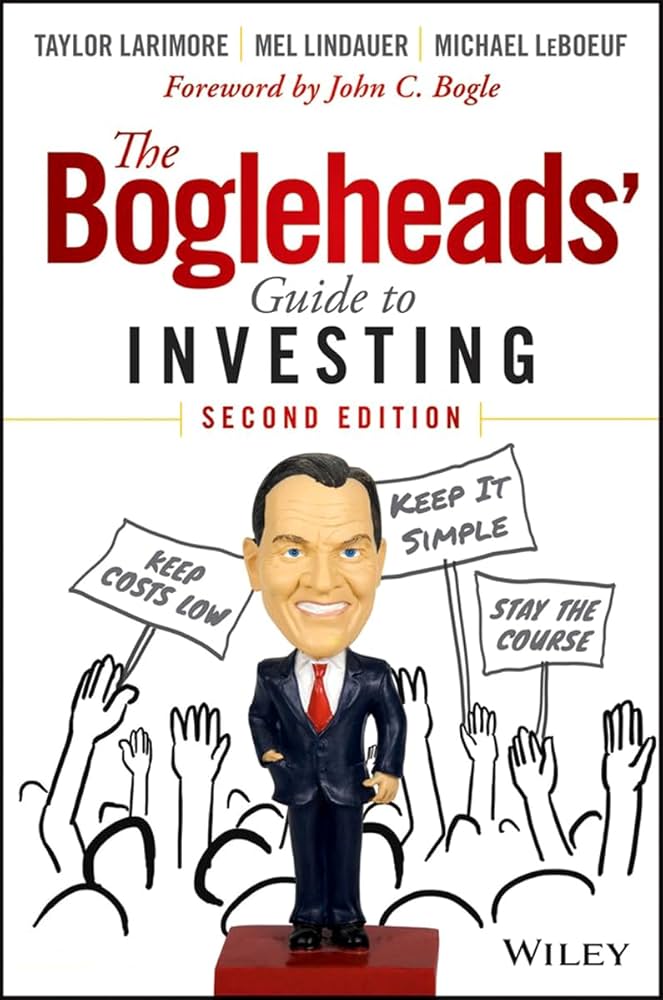
1. The Bogleheads’ Guide to Investing by Taylor Larimore, Mel Lindauer & Michael LeBoeuf
The book is based on the investing philosophy of John C. Bogle, the founder of Vanguard. It is about long-term and low-cost investments in index funds and ETFs. The book is written in an uncomplicated and practical manner, explaining asset allocation, risk management, and tax efficiency in a manner that can be easily understood and implemented by ordinary investors.
Why It Is Great: It eliminates market noise and hype and advocates discipline and simplicity. Best suited to the investor who prefers to create wealth regularly, without being too concerned with any particular stock or the market as a whole.
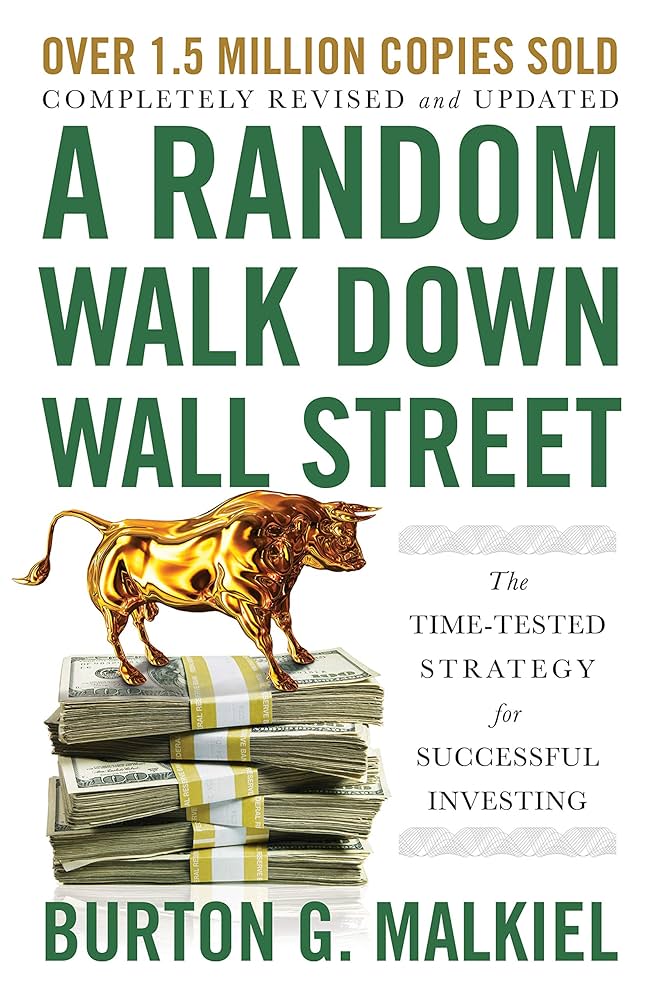
2. A Random Walk Down Wall Street by Burton G. Malkiel
This classic investment book argues that markets are highly efficient and that it is very hard to consistently predict stock movements. Burton Malkiel presents the reasons why they often fail to consistently outperform the market over time and the advantages of diversification and index investing. The book is a research and practical examples make the complex ideas so easy to read.
Why It Is Great: It can prevent investors from making expensive mistakes and unrealistic expectations. The book promotes rationality and thinking long-term. Its everlasting knowledge makes it worth reading for both the novice and the seasoned investor who needs to know how markets actually operate.
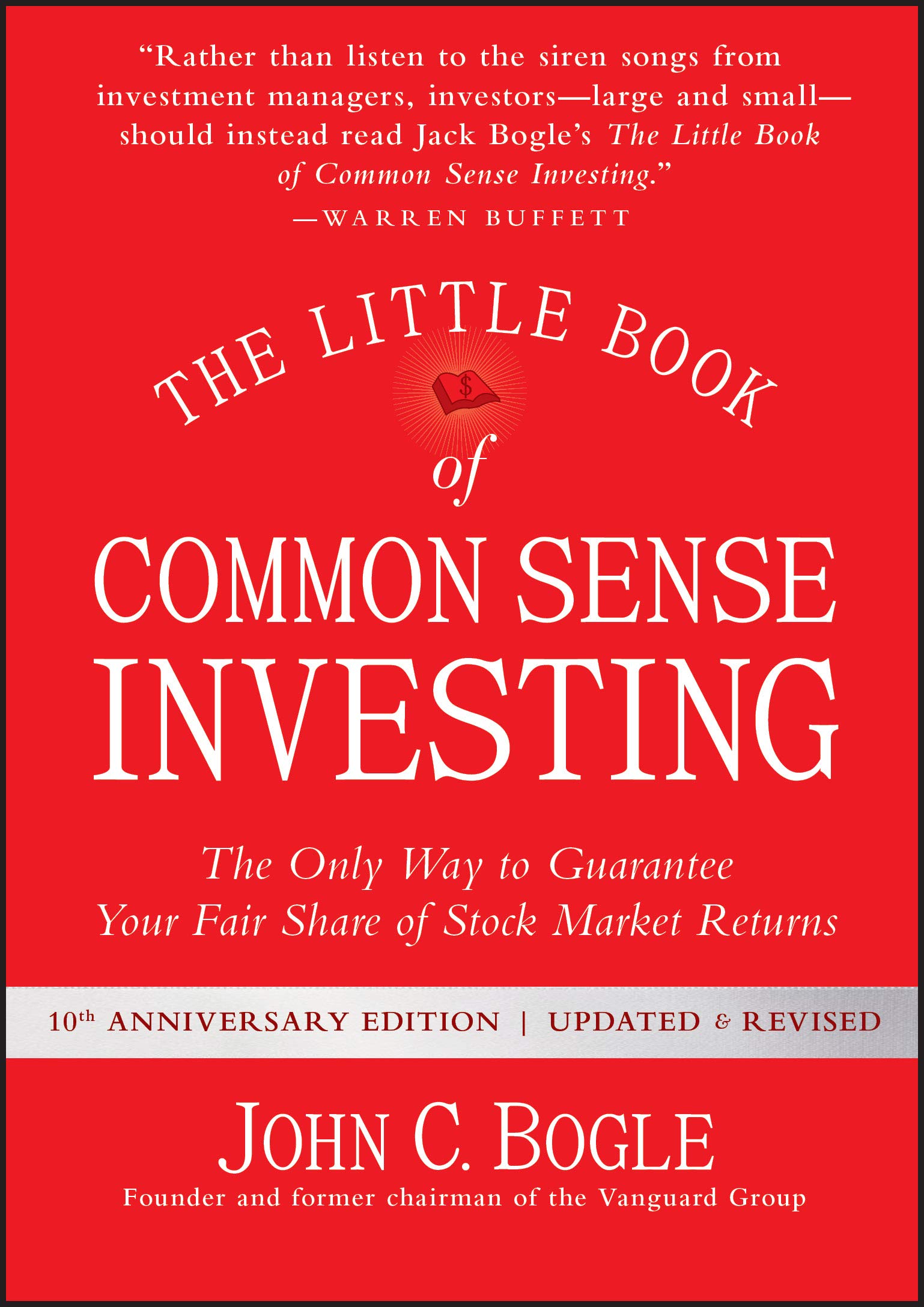
3. The Little Book of Common Sense Investing by John C. Bogle
This book is by John C. Bogle and is a firm believer in investing in low-cost index funds and ETFs. It describes the ways in which returns are reduced by high fees and high turnover. Through clear reasoning and statistics, Bogle demonstrates how everyday investors have historically outperformed many professionals over long periods by minimizing costs.
Why It Is Great: It presents strong investing knowledge in simple language. It is straightforward, pragmatic and supported by the evidence over time. Ideal where the investor is seeking a simple approach as it is all about stability, patience and compounding as opposed to market timing.
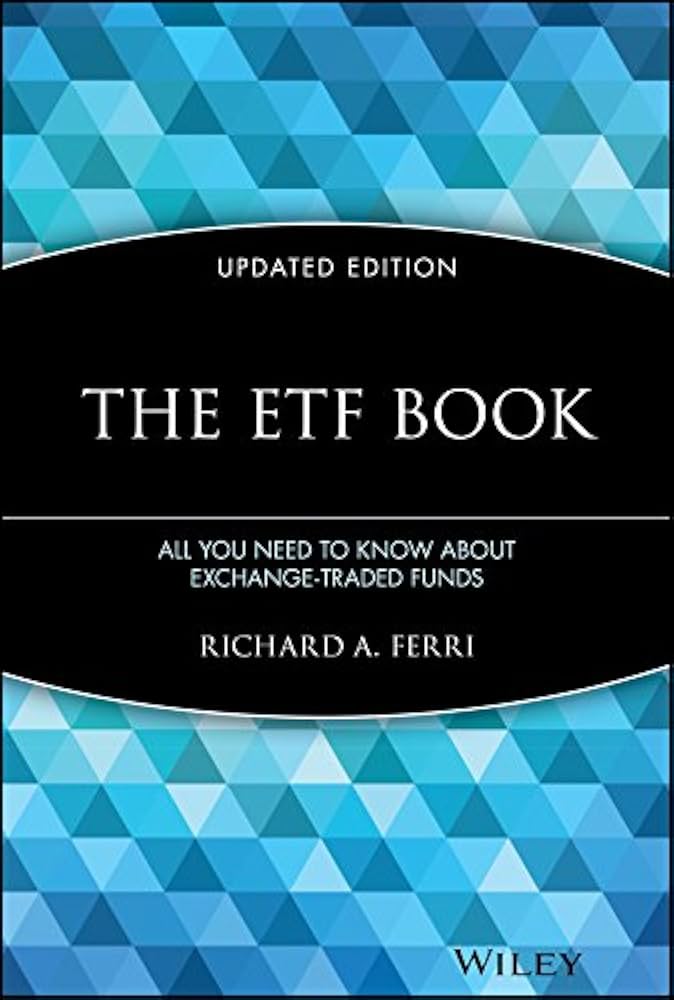
4. The ETF Book: All You Need to Know About Exchange-Traded Funds by Richard A. Ferri
The book provides an in-depth overview of ETFs, their functionality, the advantages, and the various types of ETFs. It includes equity, bond, commodity and sector ETFs, trading strategies and risks. The book itself is logically organised and can be helpful not only to those who are beginners in investments but also to some intermediate readers.
Why It Is Great: It simplifies the ETFs without being too simplistic with details which matter. The ETFs are chosen and used in an effective manner, which makes readers sure about it. This is a very good source of information for an investor who would like to have a good background before creating an ETF-based portfolio.
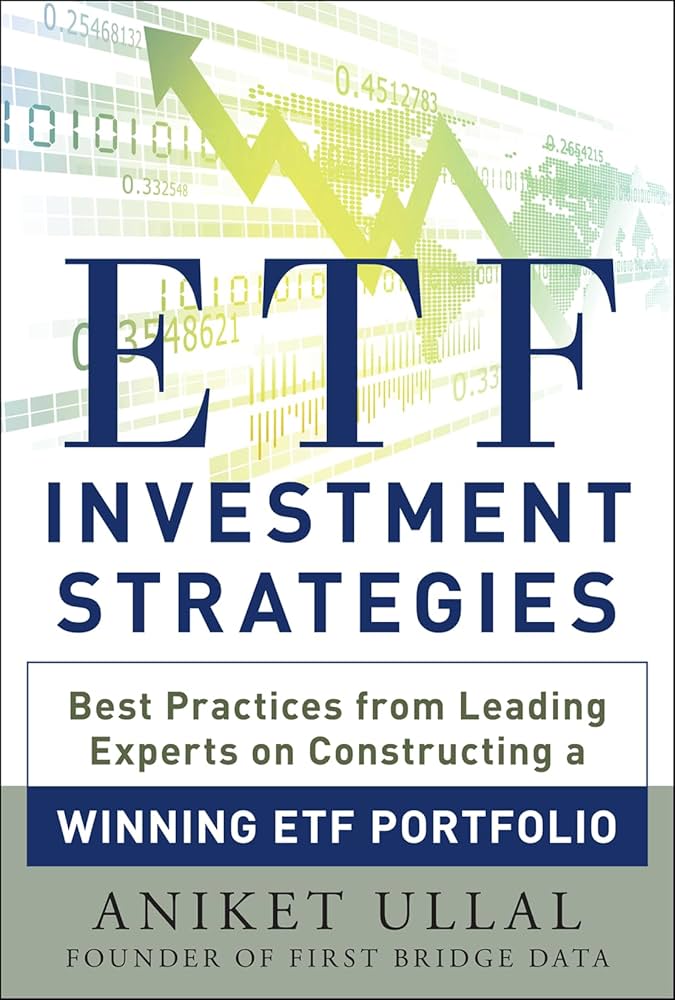
5. ETF Investment Strategies Best Practices from Leading Experts by Aniket Ullal
The book is a collection of wisdom from professional ETF managers and institutional investors. It discusses modern ETF techniques like factor investment, tactical allocation and risk management. It is more data-driven and strategy-based, which is why it is appropriate for those investors who are already familiar with the basics of ETFs.
Why It Is Great: It provides practical insights into the world in a way beyond theory. The readers are informed about the use of ETFs by professionals through market cycles. Best suited to investors who are interested in perfecting their ETF strategy and creating more resilient and diversified portfolios.
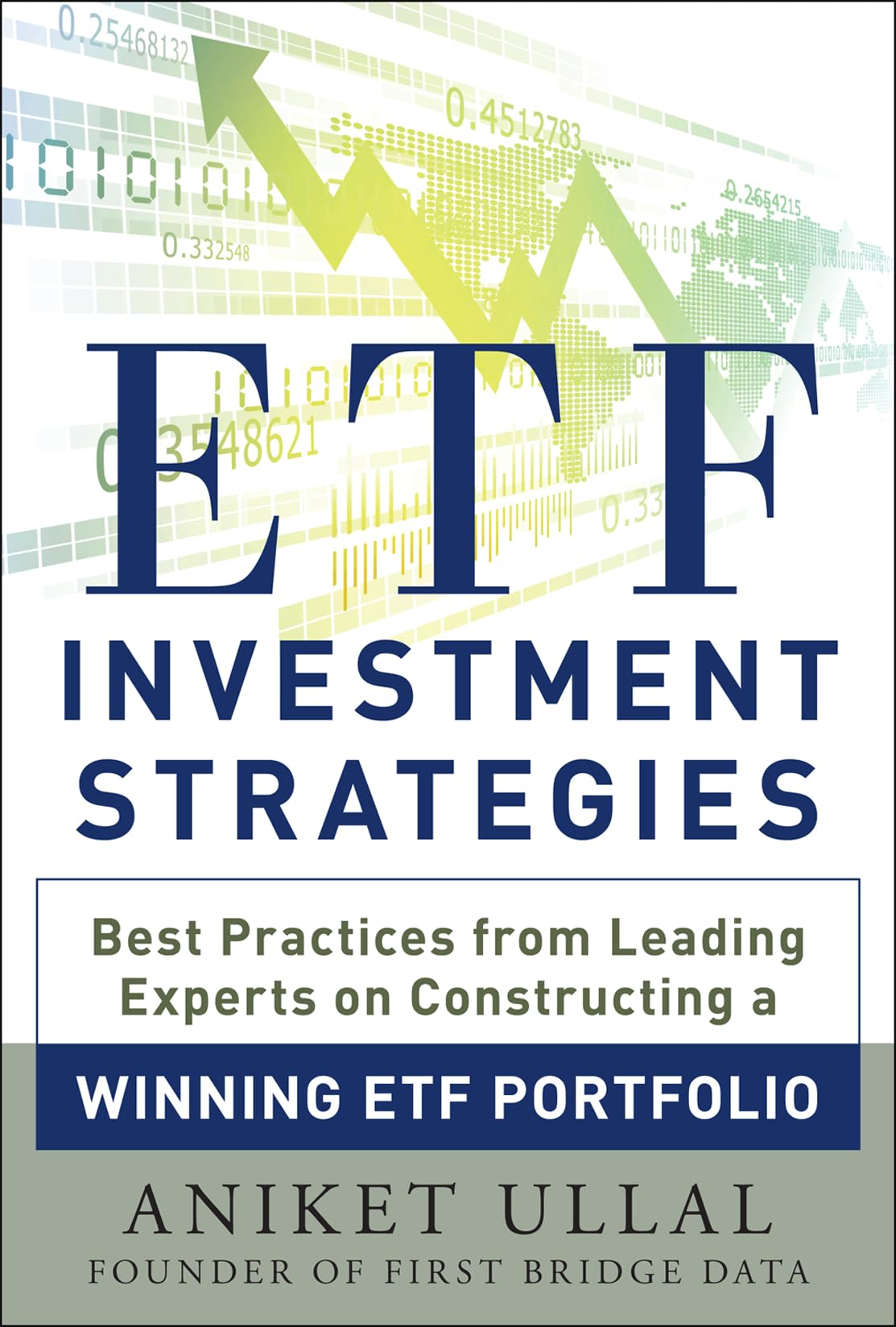
6. The Only Guide to a Winning Investment Strategy You’ll Ever Need by Larry E. Swedroe
This is a book that questions conventional wisdom of investing and focuses on a disciplined, rules-based approach to investing. It is rather concerned with asset allocation, rebalancing and long-term planning than stock picking. The style of writing is interesting and helpful because complicated things become available to retail investors.
Why It Is Great: It encourages uniformity and not emotional judgments. The strategies are easy, replicable and can be used by most investors. A great book to read when one gets fed up with all those confusing pieces of advice and wants some clarity in their investment process.
7. Global Asset Allocation by Mebane T. Faber
This book was written by Meb Faber and describes the effectiveness of diversifying in global asset classes in order to risk-adjust and enhance returns. It deals with stocks, bonds, commodities and real assets in various countries. The book presents a mixture of historical facts and practical plans for developing globally diversified portfolios.
Why It Is Great: It broadens an investor’s mindset to domestic markets. The data-backed method assists in risk management in the downturn market. Ideal for long-term investment where stability is achieved by diversification into the global market.
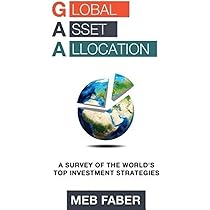
8. The Ivy Portfolio by Mebane T. Faber & Eric Richardson
This book focuses on the asset allocation formula that was based on the Ivy League endowment funds. It concentrates on diversification of asset classes and is simple in trend-following in the management of risk. The author describes how ETFs can be used to replicate institutional strategies by individual investors.
Why It Is Great: It introduces institutional investing concepts to retail investors. The plan is methodical and simple to pursue. Especially effective when investors want to have downside protection in unstable market periods.
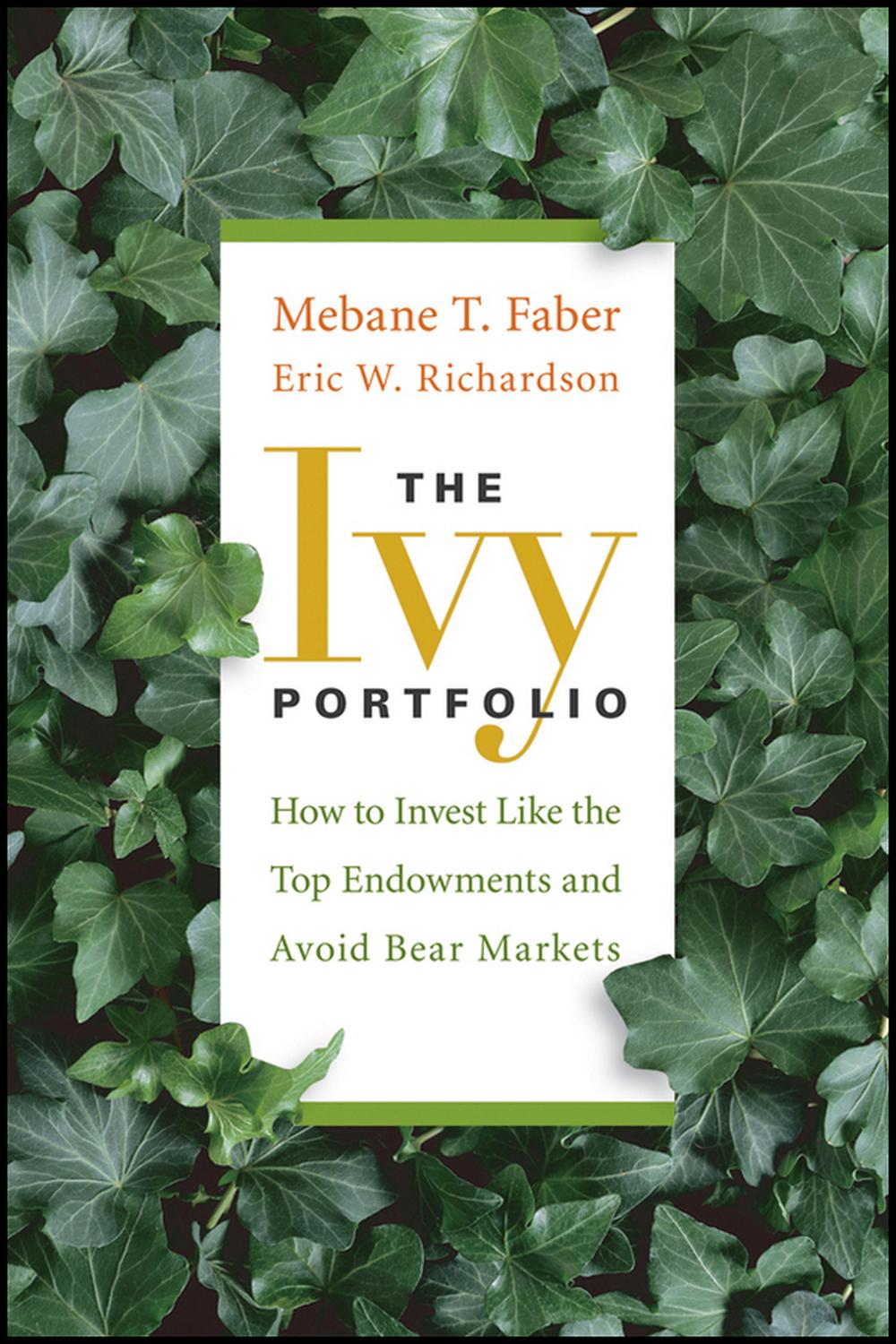
9. ETF Strategies Under Different Market Conditions by Aniket Ullal
The book offers insights into the application of ETFs in the bull markets, the bear markets, and the sideways markets. It describes how sector rotation, defensive investment, and hedging worked using ETFs. It is about adjusting portfolios to shifting market conditions instead of a general approach.
Why It Is Great: During volatility, the investors get to know how to modify their strategies rather than panicking. An interesting book for those willing to have readable solutions to ETFs across a market cycle.
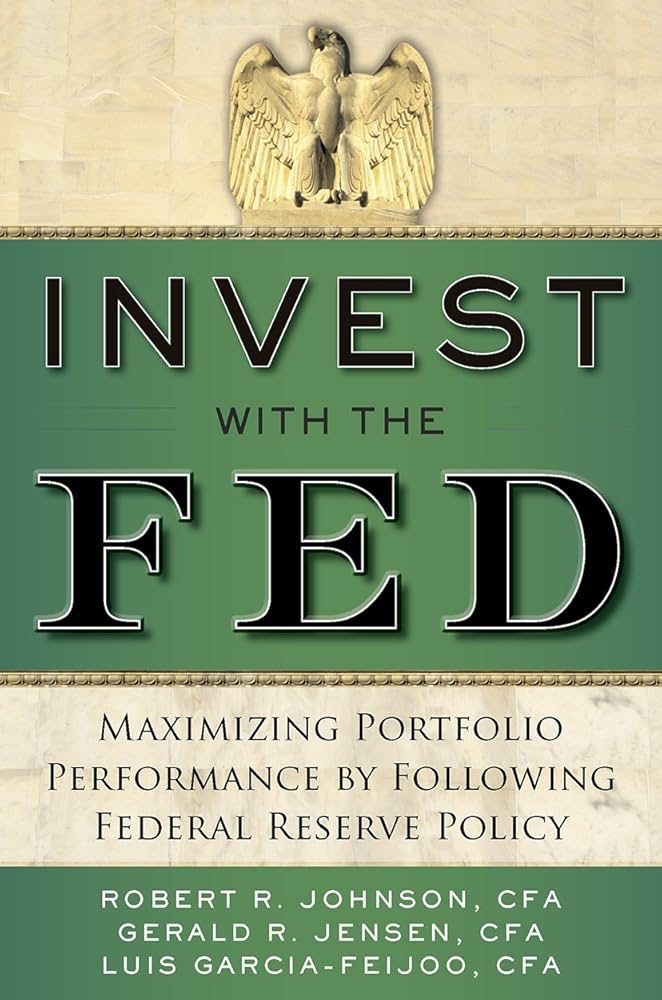
10. Invest with the Fed by Robert R. Johnson & Gerald R. Jensen
This book describes the role played by Federal Reserve policies in shaping markets and how investors can make their strategies conform to these policies. It emphasises how interest rates, liquidity and monetary policy affect the price of the assets.
Why It Is Great: It assists the investor in comprehending the macro picture that drives markets. The lessons come in handy, particularly when the rates are increasing or decreasing. Best suited to investors who need macro driven ETF as well as asset allocation techniques.
Conclusion
On a concluding note, ETF is the simplest and most methodical way of investing into market. It offers diversification and a long-term approach to investing. If you are a beginner and looking to start your investment journey, you must read a few books on ETF investing. These books help in avoiding common mistakes and making a well-diversified portfolio. However, it is advised to consult your investment advisor before making any investment decision.
Frequently Asked Questions (FAQs)
01
What does ETF investing mean?
ETFs refer to the Exchange Traded Fund and is a investment tool offered by an asset management company. It is a passive form of investing, and the fund is invested in a basket of assets such as equity, commodities, etc.
02
How can ETF investing books help in passive investment?
ETF investment books can help an investor in creating a passive, low-cost, diversified investment portfolio for long-term wealth creation.
03
Name the best books for ETF investing?
The best books for ETF investing include The Bogleheads’ Guide to Investing, A Random Walk Down Wall Street, The Little Book of Common Sense Investing, etc.
04
How can I invest in ETFs?
To invest in ETFs, you should have a demat and trading account, as ETFs can be purchased on the stock exchange during market trading hours. To invest in ETFs, you can open a lifetime free trading and demat account with Pocketful, as it also offers free brokerage on all delivery trades, and its mobile application comes with advanced trading platforms.
05
Does reading ETF investing books guarantee returns?
No, reading and investing based on the ETF investing books does not guarantee profit or returns. Investors are required to take inform decision and returns of ETFs are linked to the market, hence they can be volatile in the short run.
Disclaimer

The securities, funds, and strategies discussed in this blog are provided for informational purposes only. They do not represent endorsements or recommendations. Investors should conduct their own research and seek professional advice before making any investment decisions.
Article History


 Facebook
 Twitter
 Instagram
 LinkedIn
 Youtube