| Type | Description | Contributor | Date |
|---|---|---|---|
 | Post created | Pocketful Team | Jan-31-26 |
Read Next
- SEBI Action on Jane Street: Impact on Indian Markets
- What is Personal Finance?
- Military Wealth Management: Strategies for Growing and Preserving Your Assets
- India’s Republic Day 2025: Honoring the Nation’s Defense Achievements
- 10 Essential Financial Planning Tips for Military Members
- How Do You Apply for PAN 2.0 Online and Get It on Your Email ID?
- 10 Best YouTube Channels for Stock Market in India
- LTP in Stock Market: Meaning, Full Form, Strategy and Calculation
- 15 Best Stock Market Movies & Web Series to Watch
- Why Do We Pay Taxes to the Government?
- What is Profit After Tax & How to Calculate It?
- Budget 2024: Explainer On Changes In SIP Taxation
- Budget 2024: F&O Trading Gets More Expensive?
- Budget 2024-25: How Will New Tax Slabs Benefit The Middle Class?
- Semiconductor Industry in India
- What is National Company Law Tribunal?
- What is Capital Gains Tax in India?
- KYC Regulations Update: Comprehensive Guide
- National Pension System (NPS): Should You Invest?
- Sources of Revenue and Expenditures of the Government of India
Best Psychology of Money Books to Read in 2026
Written by : Pocketful Team
|Updated by : Pocketful Team
Published on : 8th February 2026
|Updated on : 11th February 2026




Most financial mistakes stem not from a lack of knowledge, but from flawed thinking and behavior. Even high earners often struggle with saving, investing, and spending because they lack the right money mindset. This is why understanding money psychology is crucial today. In this blog, we’ll share a practical list of the best psychology of money books that can transform your perspective on managing your finances.
10 Best Psychology of Money Books
- The Psychology of Money – Morgan Housel
- Thinking, Fast and Slow – Daniel Kahneman
- Rich Dad Poor Dad – Robert Kiyosaki
- Your Money or Your Life – Vicki Robin
- The Millionaire Next Door – Thomas J. Stanley & William D. Danko
- The Richest Man in Babylon – George S. Clason
- Atomic Habits – James Clear
- Misbehaving – Richard Thaler
- The Intelligent Investor – Benjamin Graham
- Thinking in Bets – Annie Duke
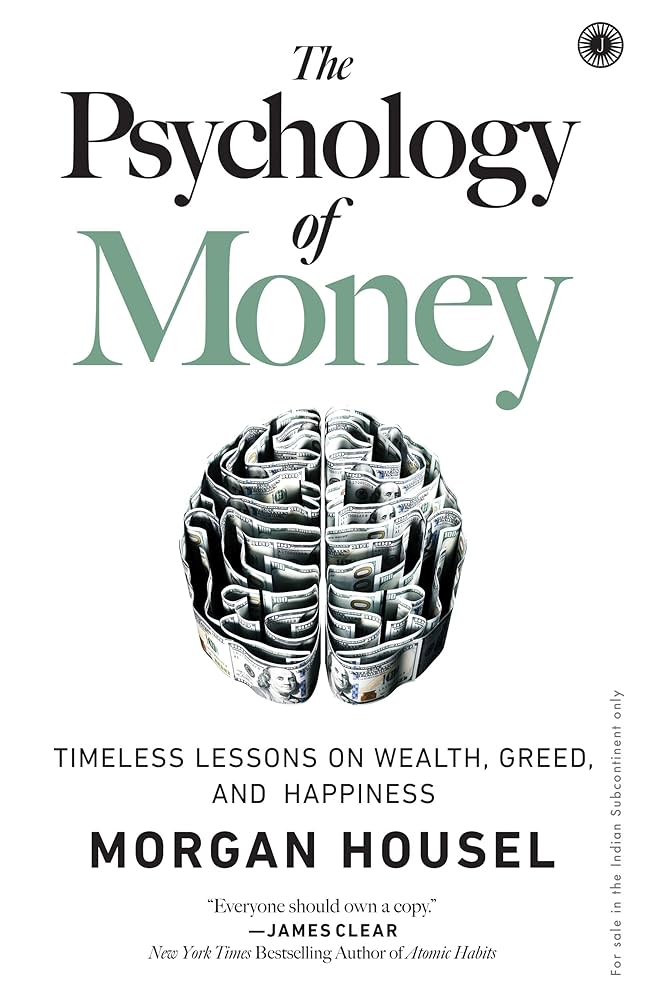
1. The Psychology of Money
The Psychology of Money is a book that explains human behavior more than it explains money itself. Morgan Housel argues that financial mistakes are mostly due to wrong reactions and habits, rather than a lack of knowledge. The book clarifies why people have different financial outcomes even with similar incomes. The author’s central message is that wealth is built through time, patience, and discipline, and that luck and risk cannot be ignored in investing.
| Information | Description |
|---|---|
| Author | Morgan Housel |
| The book’s focus | Money mindset, behavior and decision-making |
| Who is it useful for? | From beginners to long-term investors |
| Main topic | Saving, patience, risk, luck and habits |
Why should you read this book?
If you panic when the market falls, or if you’re always looking for quick ways to make money, this book will give you a practical and balanced perspective.
What will you learn from this book?
- Money decisions are influenced more by emotions than logic.
- Long-term thinking is the foundation of wealth.
- Understanding risk and luck is crucial.
- Simple habits are what truly make the difference.
2. Thinking, Fast and Slow
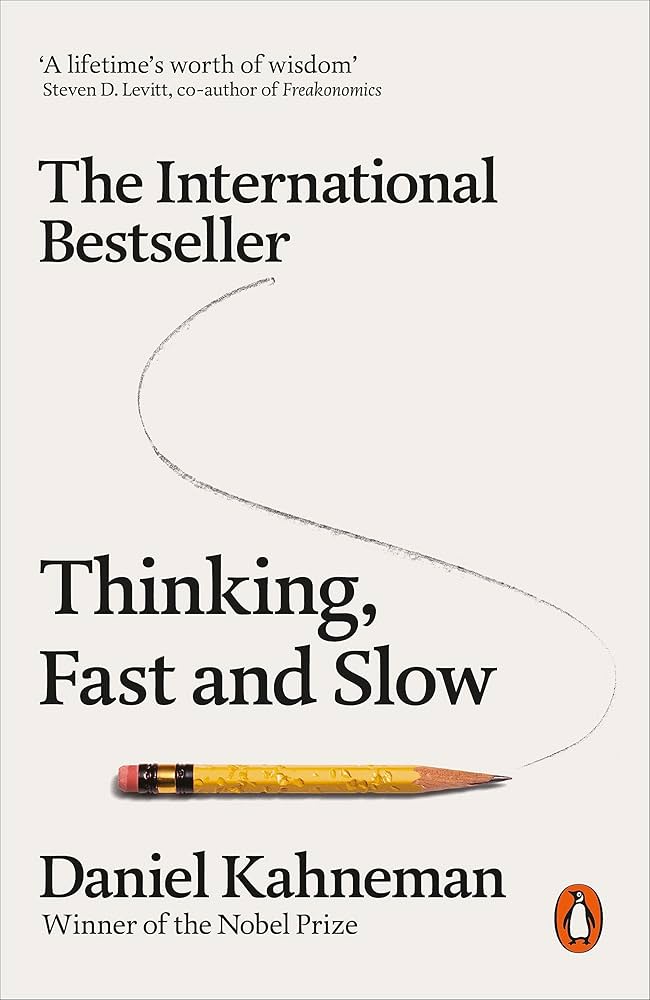
Thinking, Fast and Slow explains how we make financial decisions and where we go wrong. Daniel Kahneman explains that our minds think in two ways—one fast and emotional, the other slow and logical. Most financial losses occur when we react quickly and don’t take the time to think. The book clarifies that biases such as fear, overconfidence, and loss aversion affect both investing and spending.
| Information | Description |
|---|---|
| Author | Daniel Kahneman |
| The book’s focus | Decision-making and behavioral psychology |
| Who is it useful for? | Investors, professionals, serious readers |
| Main topic | Biases, risk, judgment errors |
Why should you read this book?
If you tend to make hasty financial decisions or make mistakes during market volatility, this book will teach you a better way to think.
What will you learn from this book?
- Hasty decisions lead to greater losses.
- Emotions impair investment decisions.
- Slow and rational thinking is crucial for managing money.
- Identifying biases helps in achieving long-term success.
3. Rich Dad Poor Dad
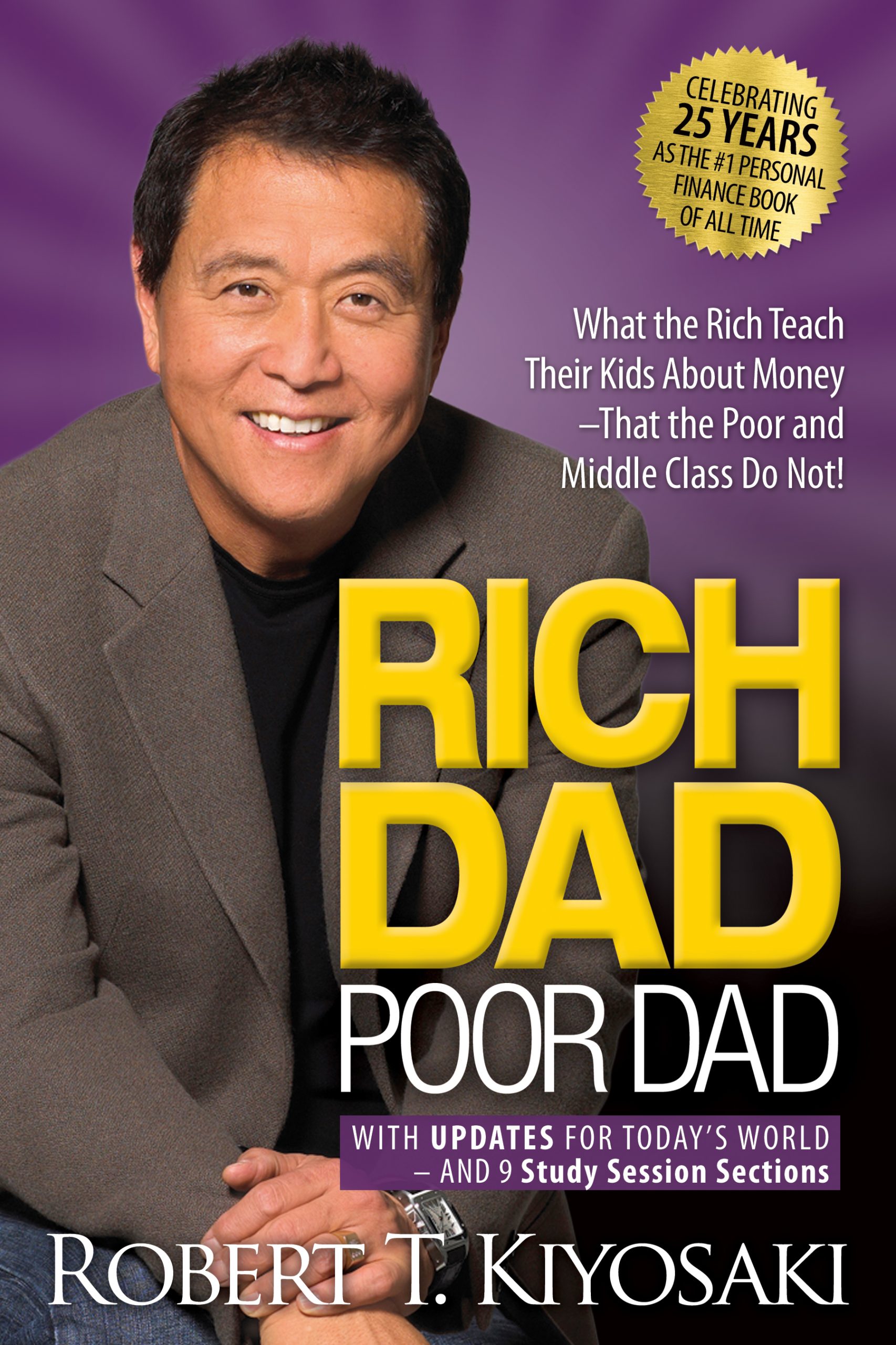
Rich Dad Poor Dad essentially raises the question of how we think about making money. The book explains that most people depend on a salary their entire lives, while some focus on building assets from the start. The author explains in simple language that hard work isn’t enough unless the money is invested wisely.
| Information | Description |
|---|---|
| Author | Robert T. Kiyosaki |
| The book’s focus | Money mindset and financial education |
| Who is it useful for? | Beginners and working professionals |
| Main topic | Assets vs Liabilities, cash flow, mindset |
Why read this book?
If your income is increasing but you’re not building savings and wealth, this book can help you change your mindset.
What can you learn from it?
- Salary and wealth are not the same thing.
- Focusing on assets is beneficial in the long run.
- Understanding money is just as important as earning it.
4. Your Money or Your Life
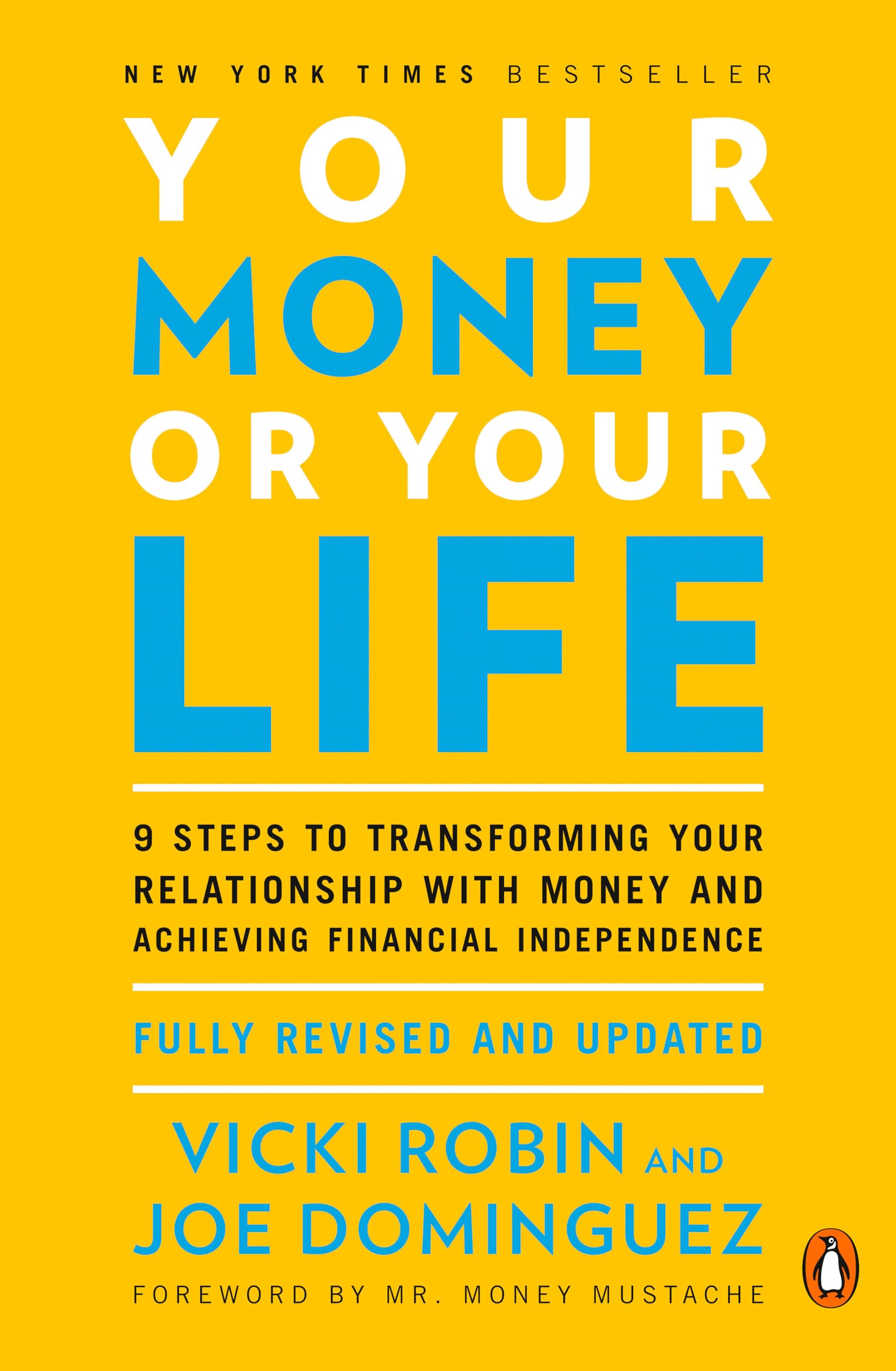
Your Money or Your Life is a book that focuses less on making money and more on why and at what cost we earn it. Vicki Robin explains that every expense is linked to our time and energy. The book attempts to shift the perspective that earning more is the only measure of success, emphasizing instead the importance of using money wisely.
| Information | Description |
|---|---|
| Author | Vicki Robin |
| The book’s focus | Money-life balance and conscious spending |
| Who is it useful for? | Salaried professionals and long-term planners |
Why read this book?
If you earn money but still experience financial stress, this book teaches you how to create the right balance between money and life.
What will you learn?
- Spending should be done thoughtfully.
- Money is connected to our time and energy.
- Financial clarity improves quality of life.
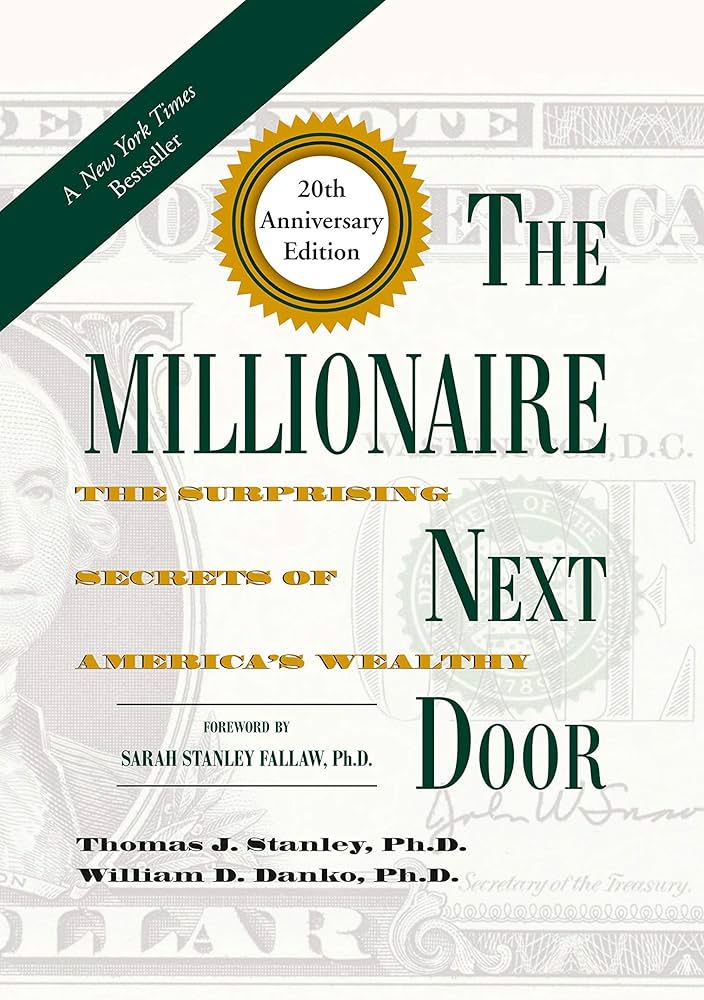
5. The Millionaire Next Door
The Millionaire Next Door shatters the glamorous image of wealthy people. Based on long-term data-driven surveys, the authors show that most wealthy individuals don’t indulge in ostentatious displays of wealth, but rather believe in a simple lifestyle and controlled spending. The book makes it clear that a high income is not a guarantee of wealth; the real difference lies in saving habits and financial discipline.
| Information | Description |
|---|---|
| Author | Thomas J. Stanley & William D. Danko |
| The book’s focus | Real wealth habits and spending behavior |
| Who is it useful for? | Salaried professionals and long-term savers |
Why read this book?
If you feel that despite earning more, your money isn’t lasting, this book shows the practical reality of how wealth is actually created.
What will you learn?
- Income and wealth are not the same thing.
- Lifestyle inflation is the biggest enemy of wealth.
- Consistent saving leads to long-term success.
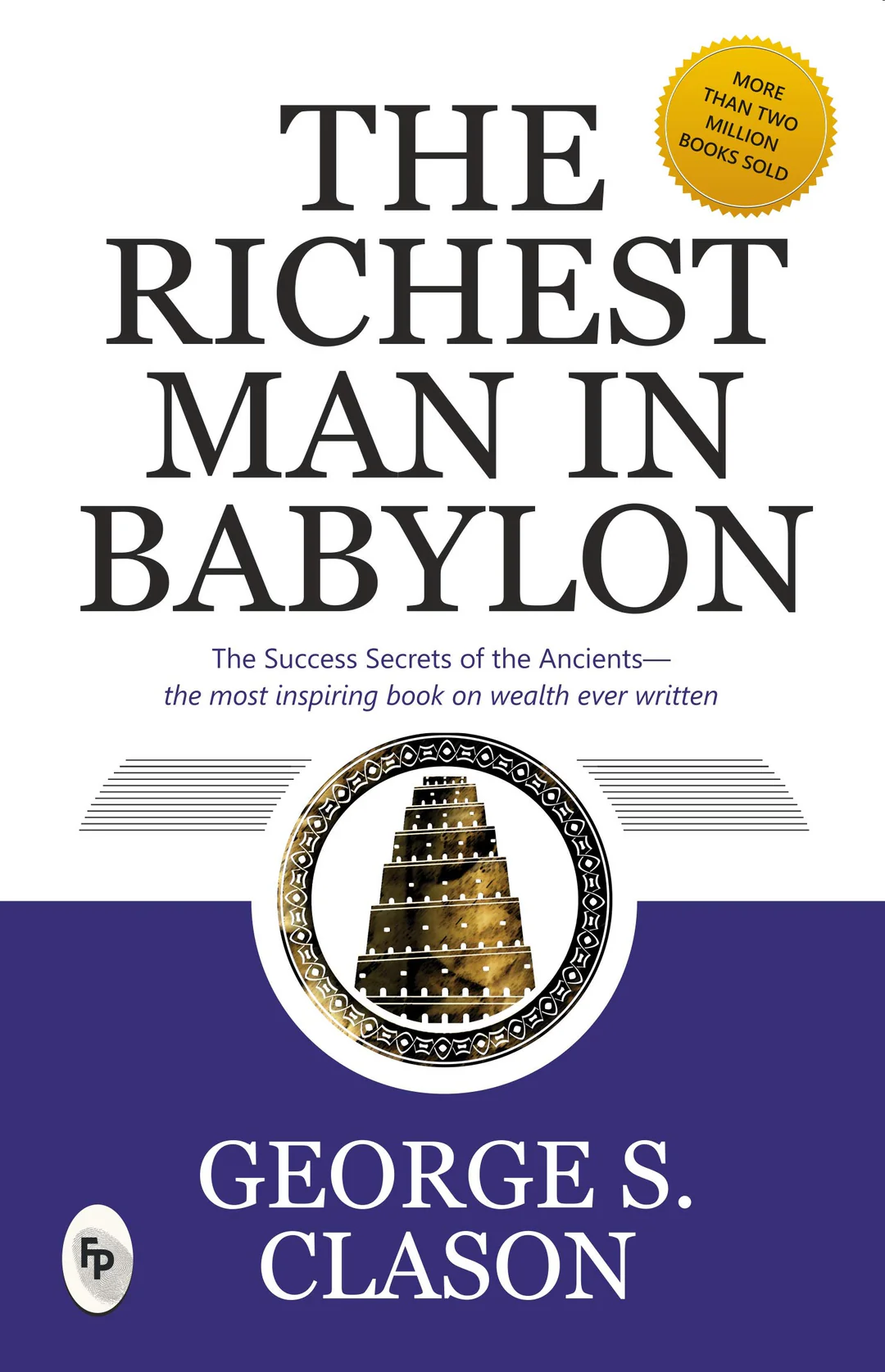
6. The Richest Man in Babylon
The Richest Man in Babylon uses stories to explain money, but its principles are just as practical today. The book emphasizes that the habit of saving and managing money should be developed before focusing on earning it. The author shows that wealth isn’t created overnight, but rather built gradually through small, disciplined decisions.
| Information | Description |
|---|---|
| Author | George S. Clason |
| The book’s focus | Saving mindset and money discipline |
| Who is it useful for? | Beginners and long-term investors |
| Main topic | Saving rules, wealth habits, discipline |
Why read this book?
If you want to strengthen your personal finance basics and understand money principles without confusion, this book is perfect.
What will you learn?
- It’s essential to save a portion of your income.
- You should learn to protect your money before trying to grow it.
- Discipline and patience are the foundation of wealth.
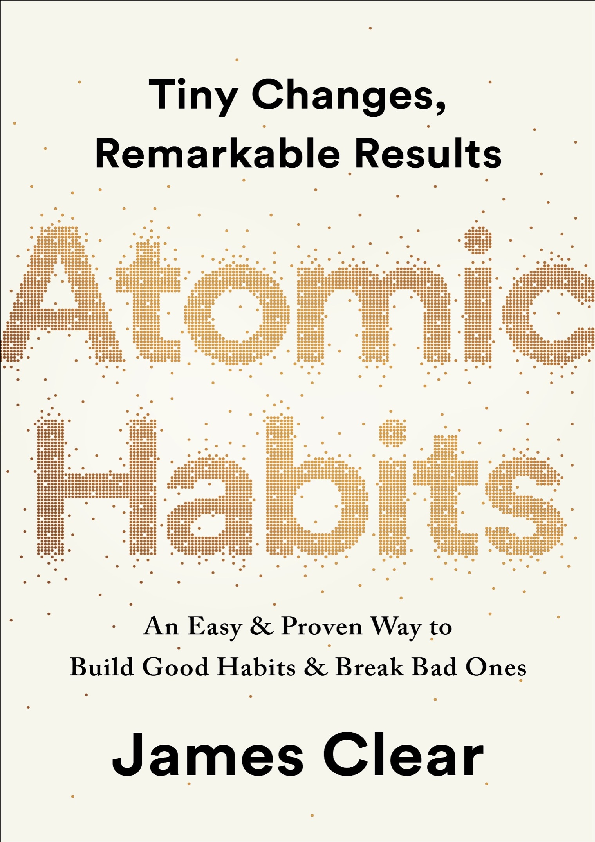
7. Atomic Habits
Atomic Habits doesn’t teach money-making tricks; instead, it explains why good financial habits don’t stick. James Clear clearly explains that people don’t give up on saving or investing because they lack understanding, but because their daily routine doesn’t support these habits. The book makes the point that wealth is built gradually just like habits are formed.
| Information | Description |
|---|---|
| Author | James Clear |
| The book’s focus | Daily habits and behavior |
| Who is it useful for? | People who want consistency in saving and investing |
Why read this book?
If you make plans every month but fail to follow through, this book teaches you how to practically build habits.
What are the key takeaways?
- Small habits yield long-term results.
- Routine is more effective than motivation.
- Consistency is the real key to financial growth.
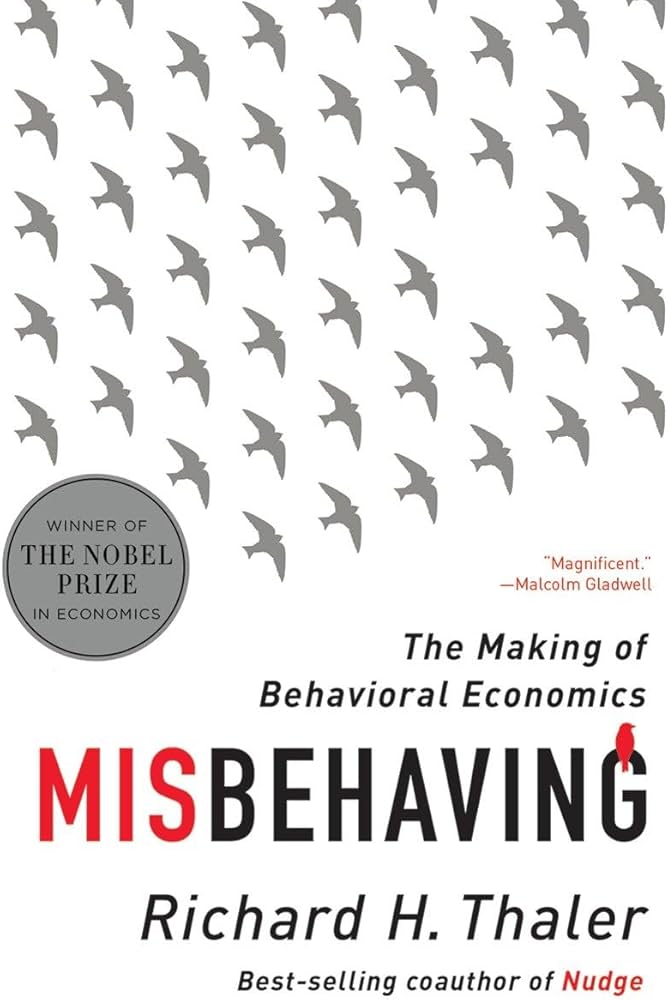
8. Misbehaving
Misbehaving is a book that explains why people don’t behave rationally when it comes to money. Richard Thaler shows that real-life decisions are driven by habits, emotions, and mental shortcuts, rather than pure logic. Using simple examples, the book illustrates why traditional economics often fails to reflect reality and why understanding human behavior is crucial.
| Information | Description |
|---|---|
| Author | Richard H. Thaler |
| The book’s focus | Behavioral economics and real money behavior |
| Who is it useful for? | Investors, finance learners, practical thinkers |
Why read this book?
If you think that finance theory isn’t practical in real life, this book shows the true picture of money decisions.
What will you learn?
- People aren’t always rational.
- Small biases can lead to big losses.
- Understanding behavior leads to better financial decisions.
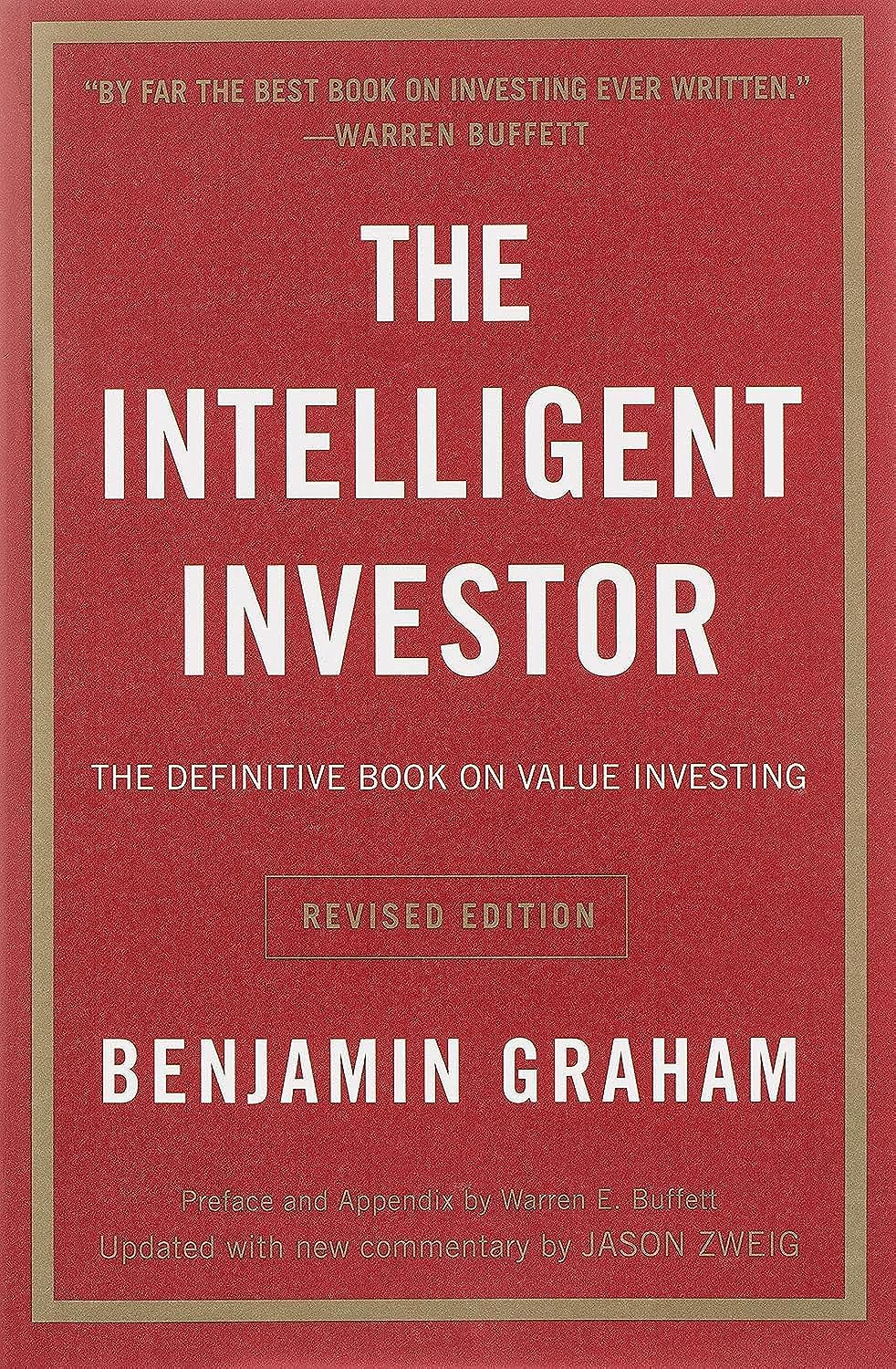
9. The Intelligent Investor
The Intelligent Investor advises viewing investing not as an exciting activity, but as a disciplined process. Benjamin Graham emphasizes that sticking to your strategy is more important than reacting to market fluctuations. The book teaches how to set aside emotions and focus on value and margin of safety.
| Information | Description |
|---|---|
| Author | Benjamin Graham |
| The book’s focus | value investing |
| Who is it useful for? | Investors, Long Term Investors, risk-takers |
Why read this book?
If you panic when the market falls or chase quick returns, this book teaches calmness and patience in investing.
What will you learn from it?
- Emotions are the biggest enemy of investing.
- Long-term thinking reduces risk.
- Discipline and patience are more important than returns.
10. Thinking in Bets
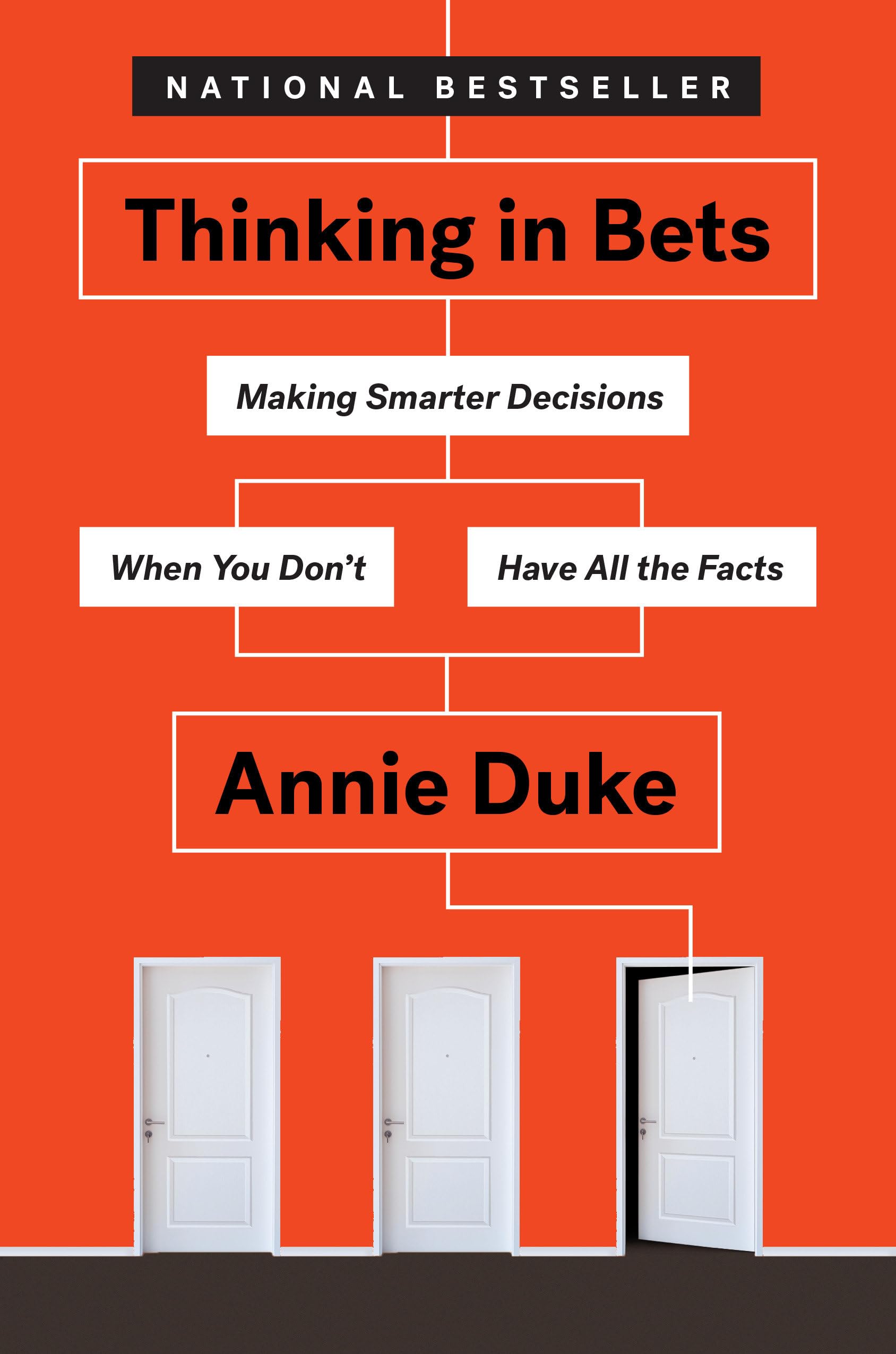
The book “Thinking in Bets” teaches that financial decisions should be based on probability, not certainty. Annie Duke explains that even a correct decision can lead to a bad outcome, and sometimes a wrong decision can yield a positive result. Therefore, the focus should be on the decision-making process, not the outcome. The book specifically explains how accepting uncertainty makes money decisions more balanced and practical.
| Information | Description |
|---|---|
| Author | Annie Duke |
| The book’s focus | Decision-making mindset and probability thinking |
| Who is it useful for? | Investors, professionals, risk-takers |
Why read this book?
If you blame yourself after losses or become overconfident after gains, this book will change your perspective.
What will you learn?
- Every financial decision is like a bet.
- The process is more important than the outcome.
- Accepting uncertainty is crucial.
- Better thinking leads to better long-term financial results.
How were these books selected?
- Focus on Practical Money Behavior: This list includes books that explain real-life money decisions, habits, and mindset in simple language, not just abstract theory.
- Trusted Authors and Proven Concepts: The books are by authors whose work in finance and behavioral psychology is widely respected and whose ideas are time-tested.
- Useful for Both Beginners and Investors: The selection ensures that the content is simple enough for beginners and also provides value to experienced investors.
- Long-Term Relevance: The books chosen offer lessons that are tied to human behavior, not market trends lessons that remain relevant over time.
Conclusion
The right way to understand money doesn’t start with numbers, but with mindset. The psychology of money books mentioned in this blog teach that long-term wealth is built through discipline, patience, and the right behavior. If you want to improve your financial decisions, starting with one of these books can make a significant difference in your money journey.
Frequently Asked Questions (FAQs)
01
Which psychology of money books is best to start with?
The Psychology of Money is a good option to start with, as it explains the psychology of money in simple language.
02
Do these books really help in managing money better?
Yes, these books help in understanding the role of emotions and habits in financial decisions.
03
Are psychology of money books useful for investors?
Yes, these books teach investors how to avoid panic and overconfidence.
04
Can salaried people benefit from these books?
Absolutely, these books help salaried individuals strengthen their saving and spending mindset.
05
Do I need finance knowledge before reading these books?
No, most psychology books are written for beginners.
Disclaimer

The securities, funds, and strategies discussed in this blog are provided for informational purposes only. They do not represent endorsements or recommendations. Investors should conduct their own research and seek professional advice before making any investment decisions.
Article History


 Facebook
 Twitter
 Instagram
 LinkedIn
 Youtube