| Type | Description | Contributor | Date |
|---|---|---|---|
 | Post created | Pocketful Team | Jan-30-26 |
Read Next
- SEBI Action on Jane Street: Impact on Indian Markets
- What is Personal Finance?
- Military Wealth Management: Strategies for Growing and Preserving Your Assets
- India’s Republic Day 2025: Honoring the Nation’s Defense Achievements
- 10 Essential Financial Planning Tips for Military Members
- How Do You Apply for PAN 2.0 Online and Get It on Your Email ID?
- 10 Best YouTube Channels for Stock Market in India
- LTP in Stock Market: Meaning, Full Form, Strategy and Calculation
- 15 Best Stock Market Movies & Web Series to Watch
- Why Do We Pay Taxes to the Government?
- What is Profit After Tax & How to Calculate It?
- Budget 2024: Explainer On Changes In SIP Taxation
- Budget 2024: F&O Trading Gets More Expensive?
- Budget 2024-25: How Will New Tax Slabs Benefit The Middle Class?
- Semiconductor Industry in India
- What is National Company Law Tribunal?
- What is Capital Gains Tax in India?
- KYC Regulations Update: Comprehensive Guide
- National Pension System (NPS): Should You Invest?
- Sources of Revenue and Expenditures of the Government of India
Best Retirement Books for Smart Financial Planning
Written by : Pocketful Team
|Updated by : Pocketful Team
Published on : 5th February 2026
|Updated on : 11th February 2026




Retirement is not a finish line. It is a fresh innings, one that comes with freedom and responsibility in equal measure. Starting this phase with confidence and independence requires planning that begins well before the final working day. Thoughtful retirement planning builds financial stability, cushions unexpected risks, and supports the lifestyle you want to keep living. For anyone who wants to see how this works in the real world, a number of well-researched books dig into the process. They offer practical frameworks, grounded insights, and real-life perspectives that help shape smarter long-term decisions.
In today’s blog post, we will give you an overview of the top 10 best Retirement Books.
Top 10 Best Retirement Books
- Rich Dad’s Retire Young, Retire Rich
- Millennial Money
- I Will Teach You to Be Rich
- The Total Money Makeover
- Thou Shall Prosper
- The Index Card
- The Financial Diet
- The Barefoot Investor
- Dollars and Sense
- Quit Like a Millionaire
| Book Name | Author | Rating (Goodreads) | Year of Launch |
|---|---|---|---|
| Rich Dad’s Retire Young Retire Rich | Robert T. Kiyosaki | 4.09 | 2000 |
| Millennial Money | Patrick O’Shaughnessy | 4.10 | 2018 |
| I Will Teach You to Be Rich | Ramit Sethi | 4.24 | 2009 |
| The Total Money Makeover | Dave Ramsey | 4.22 | 2003 |
| Thou Shall Prosper | Daniel Lapin | 4.01 | 2010 |
| The Index Card | Helaine Olen & Harold Pollack | 4.05 | 2016 |
| The Financial Diet | Chelsea Fagan & Lauren Ver Hage | 4.0 | 2016 |
| The Barefoot Investor | Scott Pape | 4.3 | 2016 |
| Dollars and Sense | Dan Ariely & Jeff Kreisler | 4.0 | 2017 |
| Quit Like a Millionaire | Kristy Shen & Bryce Leung | 4.32 | 2019 |
Overview of the Top 10 Best Retirement Books
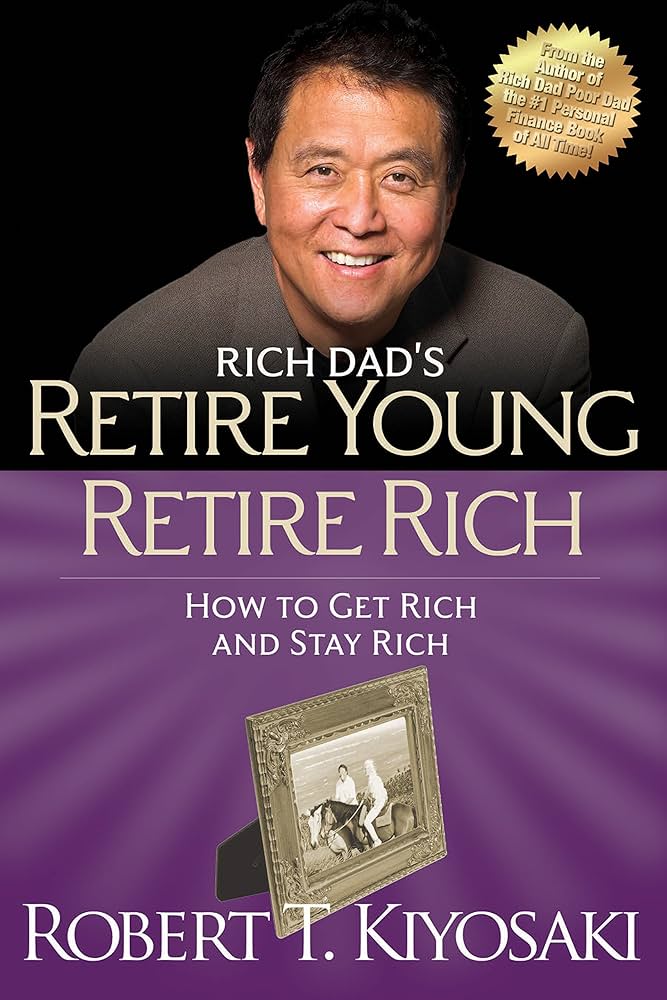
1. Rich Dad’s Retire Young, Retire Rich by Robert T. Kiyosaki
It is a book that questions the old-fashioned concept of retirement since it is not about the age but about financial independence. Early Retirement: Robert Kiyosaki reveals how income-generating assets, smart investing and entrepreneurial thinking can enable you to retire early and live life your way, with freedom and confidence.
Why It Is Great: This book introduces a new concept of retirement through education on financial independence and entrepreneurship, rather than saving. Kiyosaki tells stories and everyday wisdom to demonstrate how strategies of accumulating income-generating assets can empower you to retire sooner and more confidently. It is inspirational, real-life, and makes you redefine money, investment, and risk, where retirement is about freedom, not age.
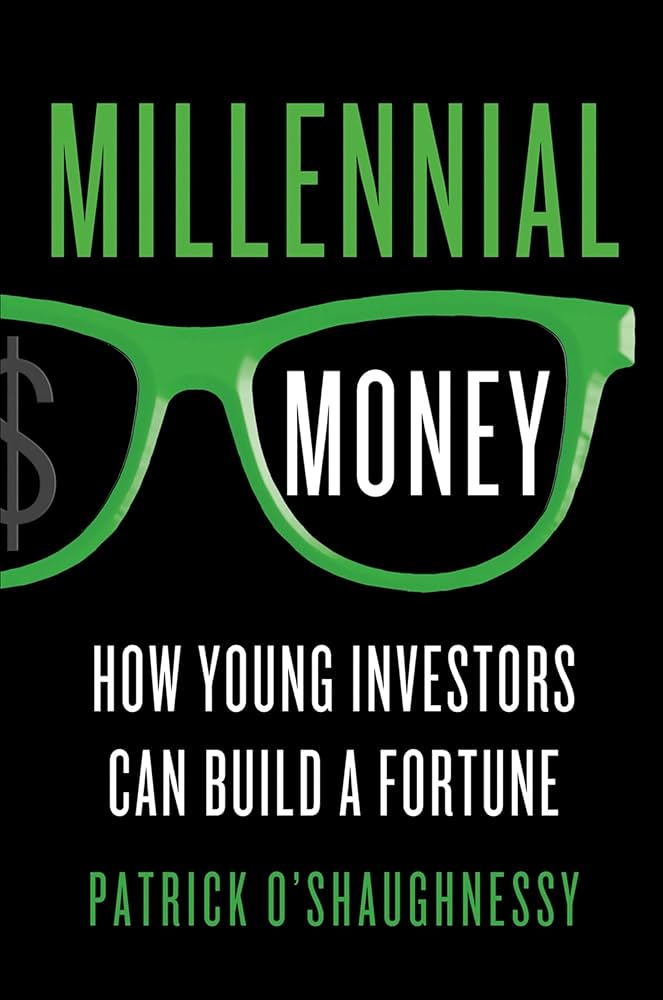
2. Millennial Money by Patrick O’Shaughnessy
Millennial Money discusses the ways in which modern investors can accumulate wealth over the long term in a world that is rapidly changing. The book simplifies the process of investing, decision-making and financial discipline in a manner that is easy to understand, not just to millennials but to anyone intending to have a stable and flexible retirement.
Why It Is Great: This book is written as a guide to modern investors to understand how to accumulate wealth and ensure financial security in a transforming economy. It is particularly helpful to younger readers, but also useful to anyone who desires to build upon their retirement savings with smart investment habits and a proactive attitude toward them.
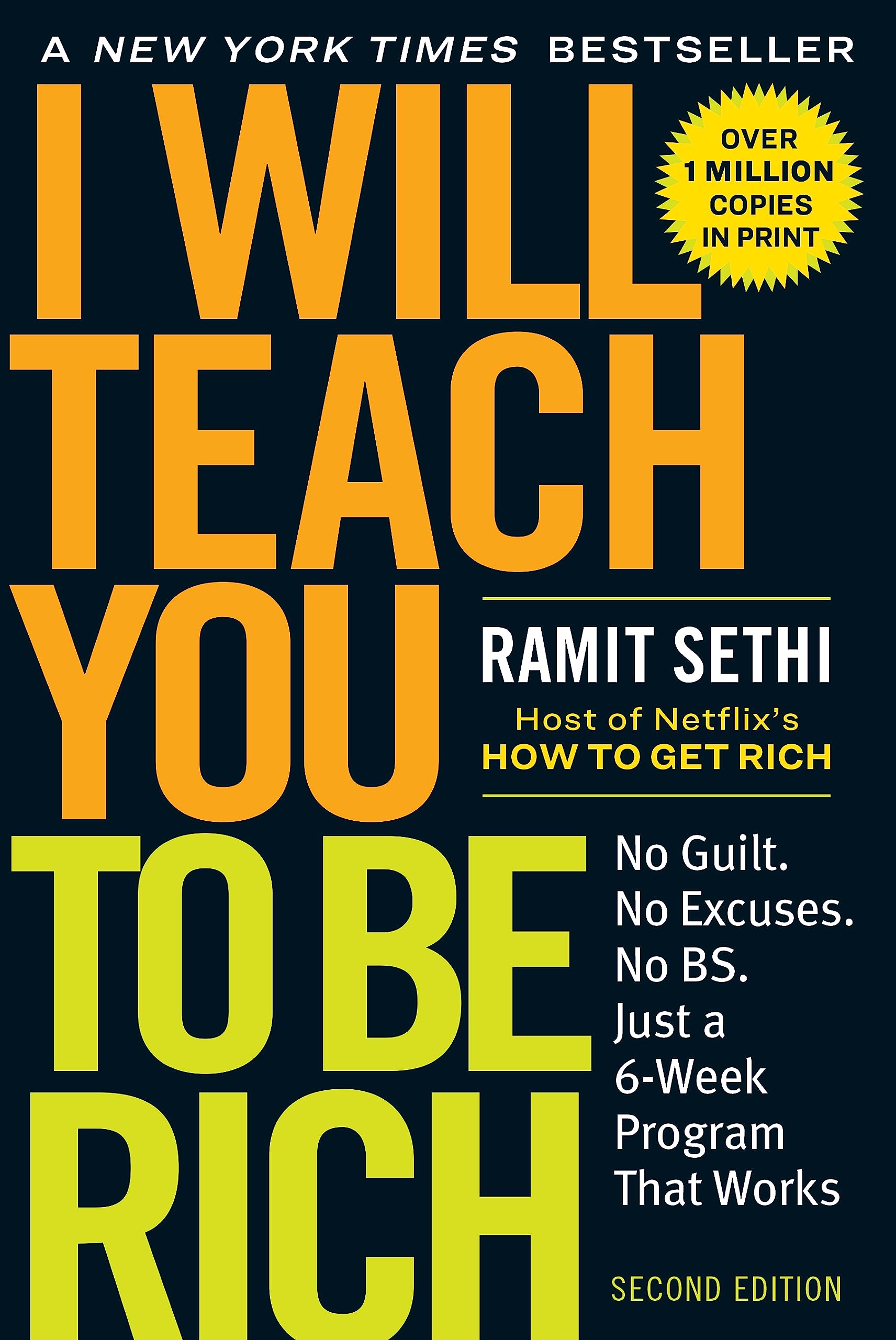
3. I Will Teach You to Be Rich by Ramit Sethi
This book presents an easy, stress-free method of money management and future planning. Ramit Sethi focuses on automation, intelligent spending and long-term investing practices that silently build wealth over time, helping the reader to plan their retirement without extreme budgeting and being at all times financially worry-free.
Why It Is Great: In this book, the author uses a conversational tone to present a practical approach to managing personal finance, which helps in long-term planning. This book is unique as it links daily money habits with future retirement planning and seems like a personal coach.
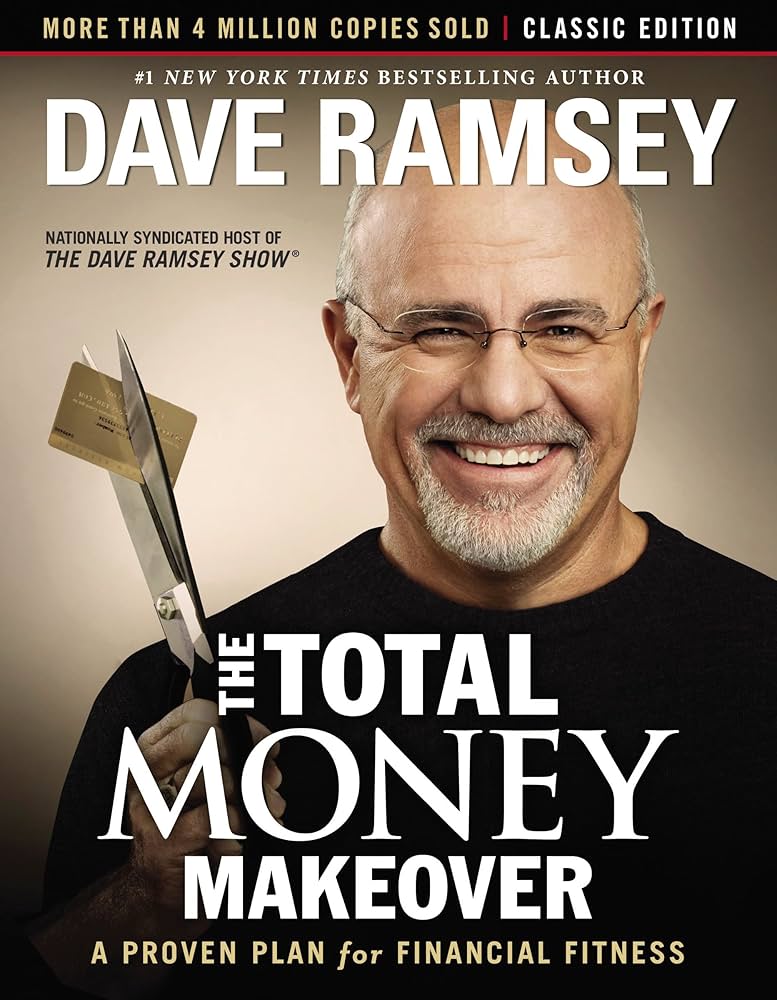
4. The Total Money Makeover by Dave Ramsey
The book by Dave Ramsey offers a step-by-step guide to solving individual finances and creating a safe retirement. It focuses on the removal of debt, accumulating savings, and making regular investments. The book is written in a way that is easy to understand, so it can be used as a guide to help a beginner to start controlling their money and build long-term financial stability.
Why It Is Great: Ramsey’s classic plan divides money management into simple steps, starting with getting rid of debt, then creating savings, thus making retirement planning seem attainable to anyone. It is evidence that well-managed financial choices in the present day can result in a safe future. Its practical plans are inspirational and practical.
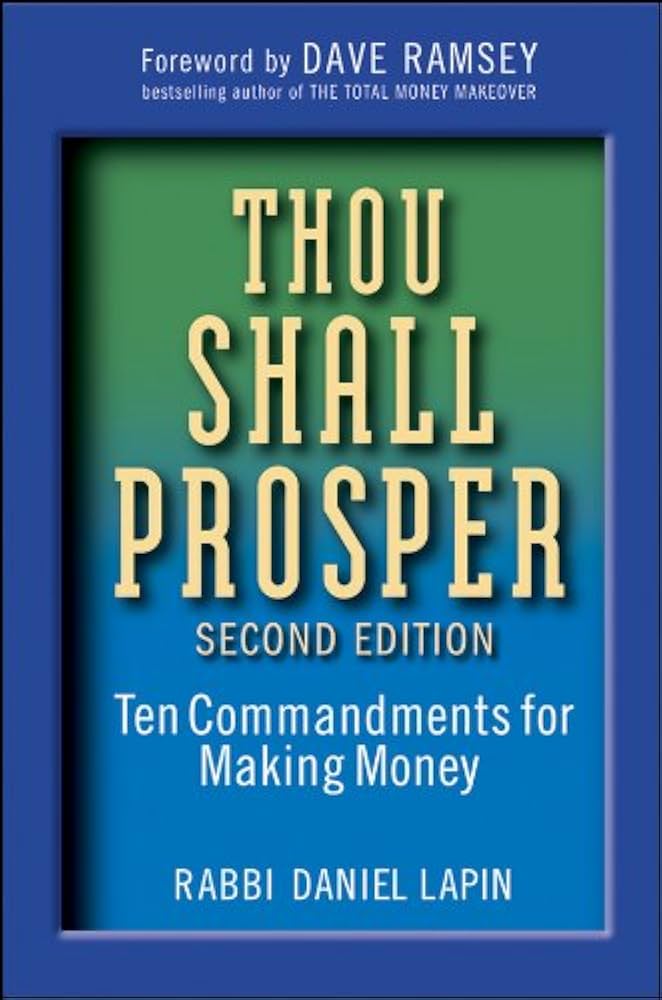
5. Thou Shall Prosper by Daniel Lapin
This book is a blend of values and mindset with wealth creation. Daniel Lapin explains the relationship between financial success, behaviour, ethics, and purpose. It is an intelligent piece of reading for individuals who desire to accumulate wealth that can be converted into retirement, and at the same time make wise choices in relation to money and values.
Why It Is Great: The book combines classical rules of wealth generation and personal values, as it demonstrates how the psychology of success and ethical business conduct impact financial prosperity. It is not only about planning for retirement but also about developing the prosperity mindset that will help you long after you are out of the working years.
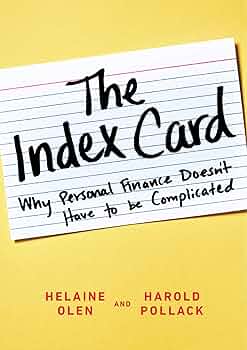
6. The Index Card by Helaine Olen & Harold Pollack
The Index Card makes personal finance simple and easy to follow, with timeless advice on one card. It is concentrating on saving, investing, preventing usual errors and planning in advance. The book is also ideal for simple retirement planning without being overly complicated, making it easy to understand for readers overwhelmed by financial jargon.
Why It Is Great: This book is a simple and efficient way of making personal finance easy. It is ideal for everyone who feels overwhelmed by the retirement planning process by prioritising the key values such as saving, investing and avoiding expensive mistakes.
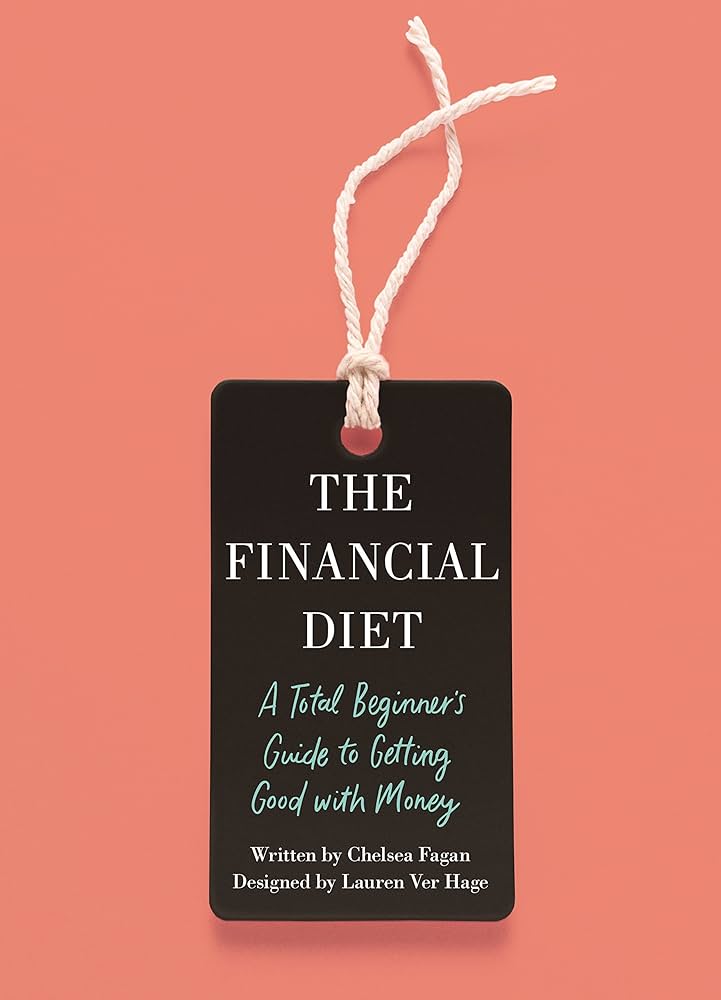
7. The Financial Diet by Chelsea Fagan & Lauren Ver Hage
The book offers a contemporary and relatable approach to money management. It takes into account the budgeting, saving, investing, and lifestyle planning, whereas it focuses on long-term financial goals such as retirement. It includes real-life examples and practical advice that will help the readers create healthy financial habits that will last a lifetime.
Why It Is Great: This is an easy-read book that has a new approach to money management with easy-to-relate tips on how to spend, save and plan to achieve life goals such as retirement. Financial planning can be personal and achievable because of its authentic tone and helpful content that are practical, especially for those who are only starting their financial journey or changing their financial routines.
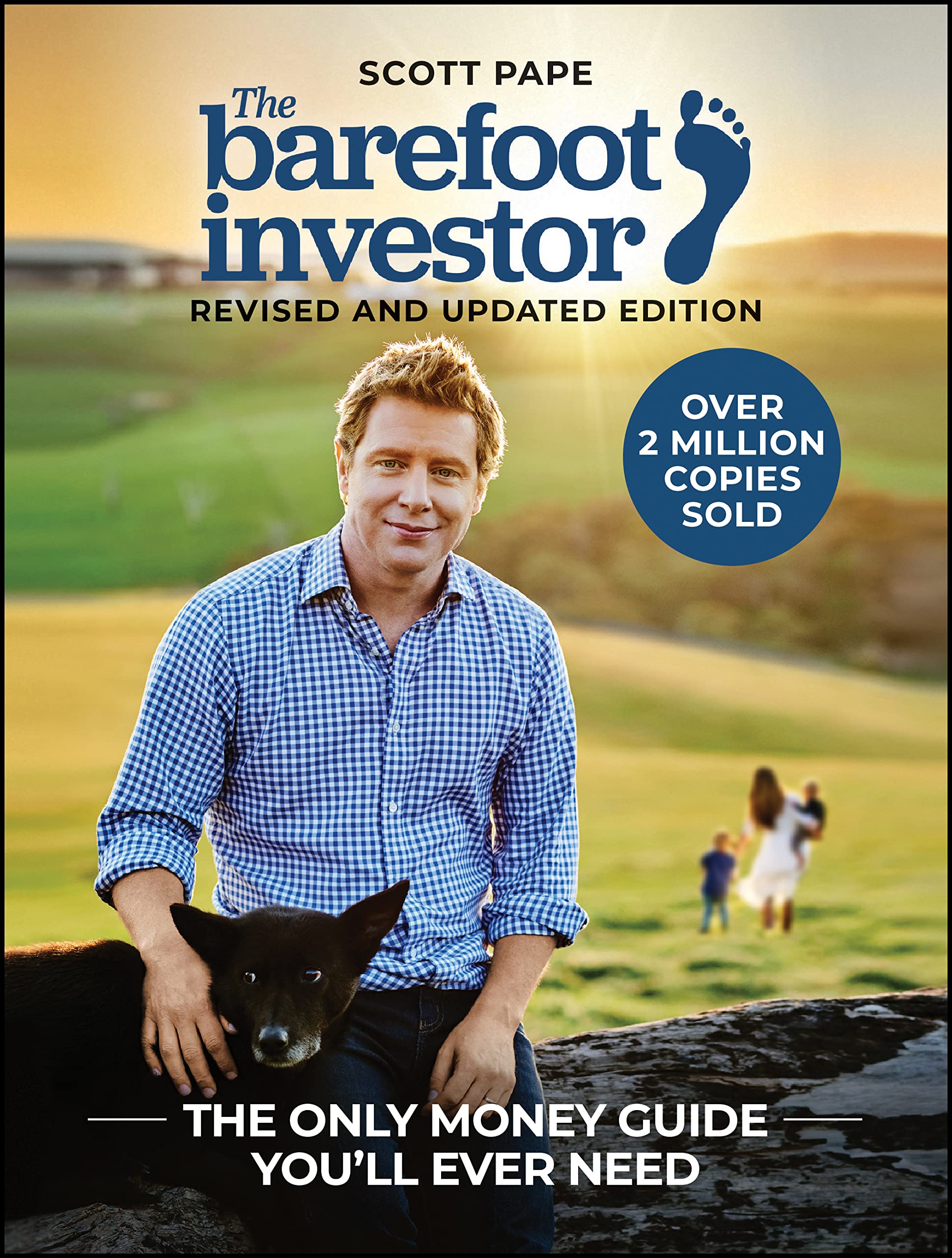
8. The Barefoot Investor by Scott Pape
This book is written in an informal and non-technical way, providing a straightforward guide to financial management. Scott Pape does not confuse budgeting and saving, as well as investing and planning retirement. It is best suited to those readers who desire a step-by-step guide to financial security.
Why It Is Great: This book contains humour and a mix of practicality, which simplifies budgeting, savings, and investing. The clear structure of the book offers strategies for a personal financial coach.
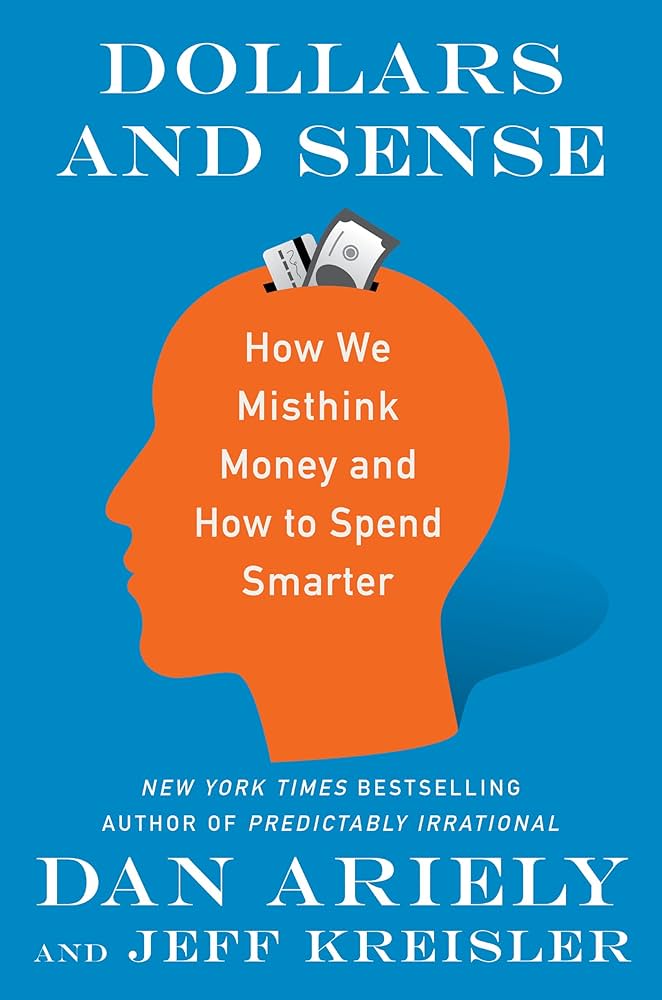
9. Dollars and Sense by Dan Ariely & Jeff Kreisler
This book explores the psychology behind how people make financial decisions. This book focuses on how understanding financial behaviour can lead to better savings and investing strategies.
Why It Is Great: This is a very insightful book about the psychology of how we spend and save, showing why we make money mistakes and how to correct them. The knowledge of our own financial behaviour can help readers make wiser choices up to and including retirement.
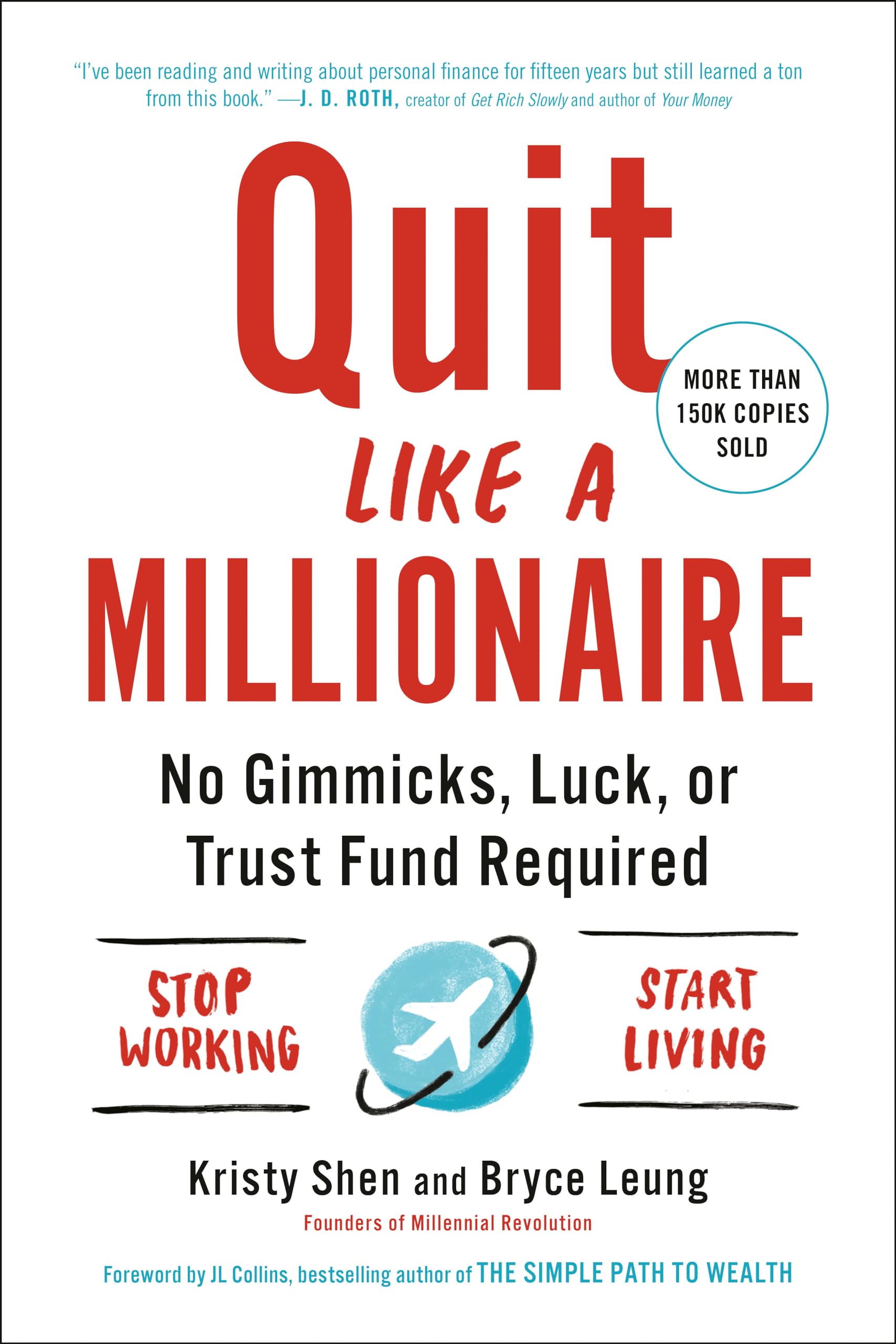
10. Quit Like a Millionaire by Kristy Shen & Bryce Leung
This book shows how a disciplined investment strategy can help in achieving financial independence early. This book contains real-life data-backed strategies to increase wealth over time and achieve early retirement without relying on risky investments.
Why It Is Great: This book focuses on achieving early financial independence with data-driven investment strategies. And helps prepare traditional mode of retirement at an early age.
Why Should One Read Retirement Books?
One should read retirement books to prepare for a secure and independent retirement. Books simplify complex subjects such as investments, income planning, etc. appropriately. A few of such books contain real-life experiences that help an investor in avoiding financial mistakes.
Conclusion
Retirement should not be a consequence; it must be a choice, as one must plan their retirement at an early age by managing their expenses and income. There are various books available in the market related to retirement, focusing on different aspects of it. One should read such books to make informed decisions and avoid common mistakes. Even after retirement, equity allocation helps diversification – invest smarter with Pocketful low brokerage, easy to use, fast support. However, it is advisable to consult with your retirement advisor before planning your retirement.
Frequently Asked Questions (FAQs)
01
Who can read the retirement book?
Reading books is suggested for all individuals who are planning their retirement. By reading such books, they can easily manage money and their investments to plan a better retirement.
02
Does the retirement book focus only on money?
No, retirement books not only focus on money management, but they also focus on mindset, psychology, etc.
03
Which are the best retirement books available in the market?
The best retirement books include Rich Dad’s Retire Young, Retire Rich, Millennial Money, I Will Teach You to Be Rich, The Total Money Makeover, etc.
04
Can I plan my retirement only by reading retirement books?
Reading retirement books can lay down the foundation of retirement planning, but for a proper layout of your retirement, you are required to consult with your financial or retirement advisor.
05
When can I start reading retirement books?
You can start reading retirement books at an early age to get knowledge about how retirement planning works.
Disclaimer

The securities, funds, and strategies discussed in this blog are provided for informational purposes only. They do not represent endorsements or recommendations. Investors should conduct their own research and seek professional advice before making any investment decisions.
Article History


 Facebook
 Twitter
 Instagram
 LinkedIn
 Youtube