| Type | Description | Contributor | Date |
|---|---|---|---|
 | Post created | Pocketful Team | Feb-01-26 |
Read Next
- SEBI Action on Jane Street: Impact on Indian Markets
- What is Personal Finance?
- Military Wealth Management: Strategies for Growing and Preserving Your Assets
- India’s Republic Day 2025: Honoring the Nation’s Defense Achievements
- 10 Essential Financial Planning Tips for Military Members
- How Do You Apply for PAN 2.0 Online and Get It on Your Email ID?
- 10 Best YouTube Channels for Stock Market in India
- LTP in Stock Market: Meaning, Full Form, Strategy and Calculation
- 15 Best Stock Market Movies & Web Series to Watch
- Why Do We Pay Taxes to the Government?
- What is Profit After Tax & How to Calculate It?
- Budget 2024: Explainer On Changes In SIP Taxation
- Budget 2024: F&O Trading Gets More Expensive?
- Budget 2024-25: How Will New Tax Slabs Benefit The Middle Class?
- Semiconductor Industry in India
- What is National Company Law Tribunal?
- What is Capital Gains Tax in India?
- KYC Regulations Update: Comprehensive Guide
- National Pension System (NPS): Should You Invest?
- Sources of Revenue and Expenditures of the Government of India
Best Venture Capital Books for Investors and Startup Founders
Written by : Pocketful Team
|Updated by : Pocketful Team
Published on : 9th February 2026
|Updated on : 11th February 2026




Venture capital is not just a buzzword in the startup ecosystem. But this is a way to get finances that can help businesses with growth and innovation. You may be an aspiring VC, a startup founder who has raised funds, or just a financial professional looking at alternative investments, but you must understand venture capital.
The best method to develop this insight is by reading books by successful investors, founders, and industry observers. The right venture capital books are the books that make you crack the investor mind, see how deals work, how portfolio choices are made, and how to avoid the pitfalls which are leading to fundraising.
This blog provides the best venture capital books, selected by those individuals who are interested in reading about practical topics in venture capital investments, start-up funding, and innovation funding.
What Is Venture Capital?
Venture capital is money invested in startups that are still growing or trying to scale. This is the money that is invested by professional investors. These are the people who are ready to take the risks in return for the future growth expectations.
Key Features
- Invested in early or fast-growing businesses.
- Provided in exchange for the company equity.
- The aim is long-term growth.
- Involves high risk and high return potential.
- Investors often guide founders and strategy.
- Returns come through IPOs or company sales.
List of Best Venture Capital Books
Knowing what venture capital is only the starting point. To really understand what venture funding is and how it works, you can read these books by experts. These not only define the same but also share deeper insights into the same.
| S.No | Book Name | Publishing Year | Author | Rating (Goodreads) | Best For |
|---|---|---|---|---|---|
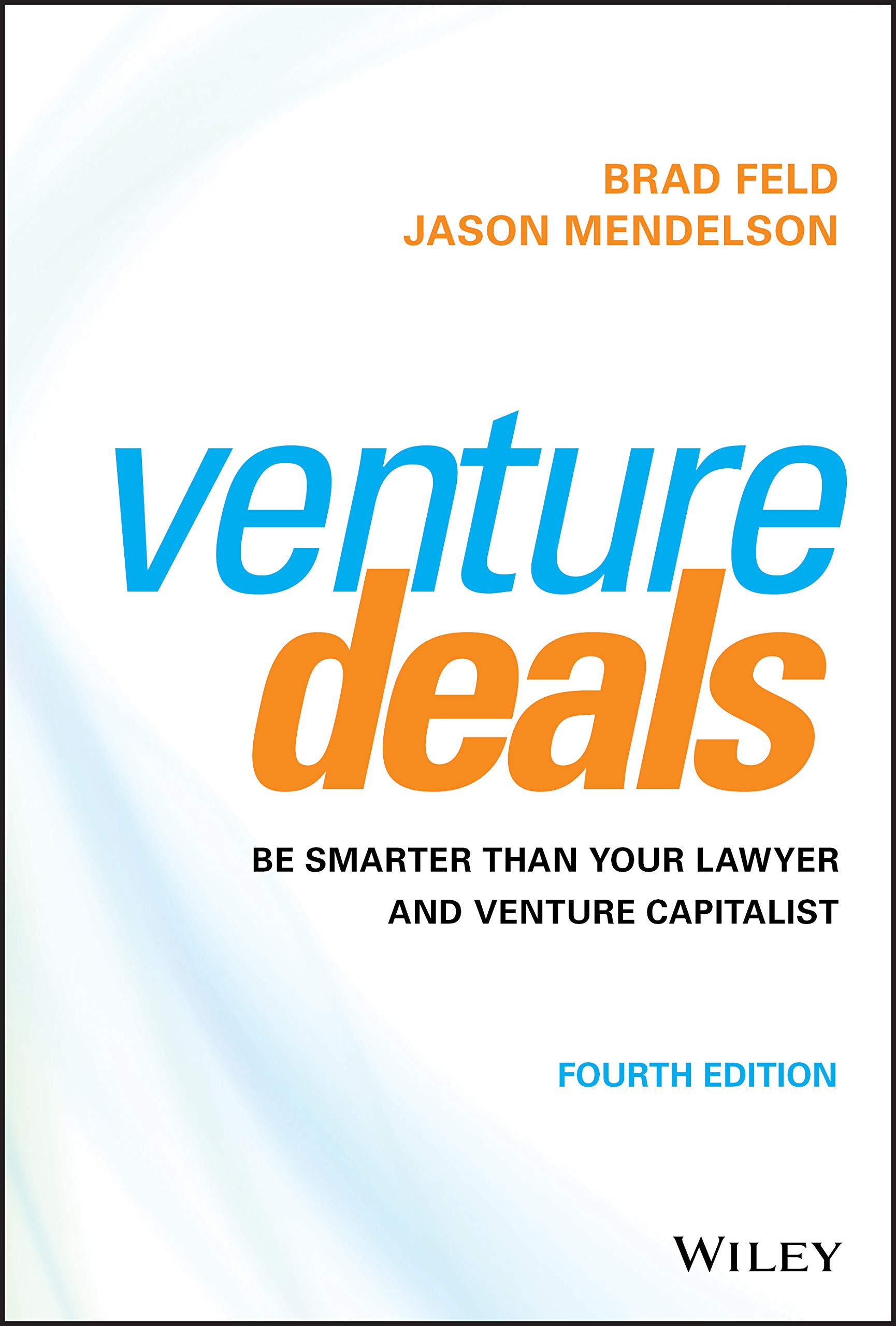
| 1 | Venture Deals | 2011 | Brad Feld & Jason Mendelson | 4.12 | Understanding VC term sheets |
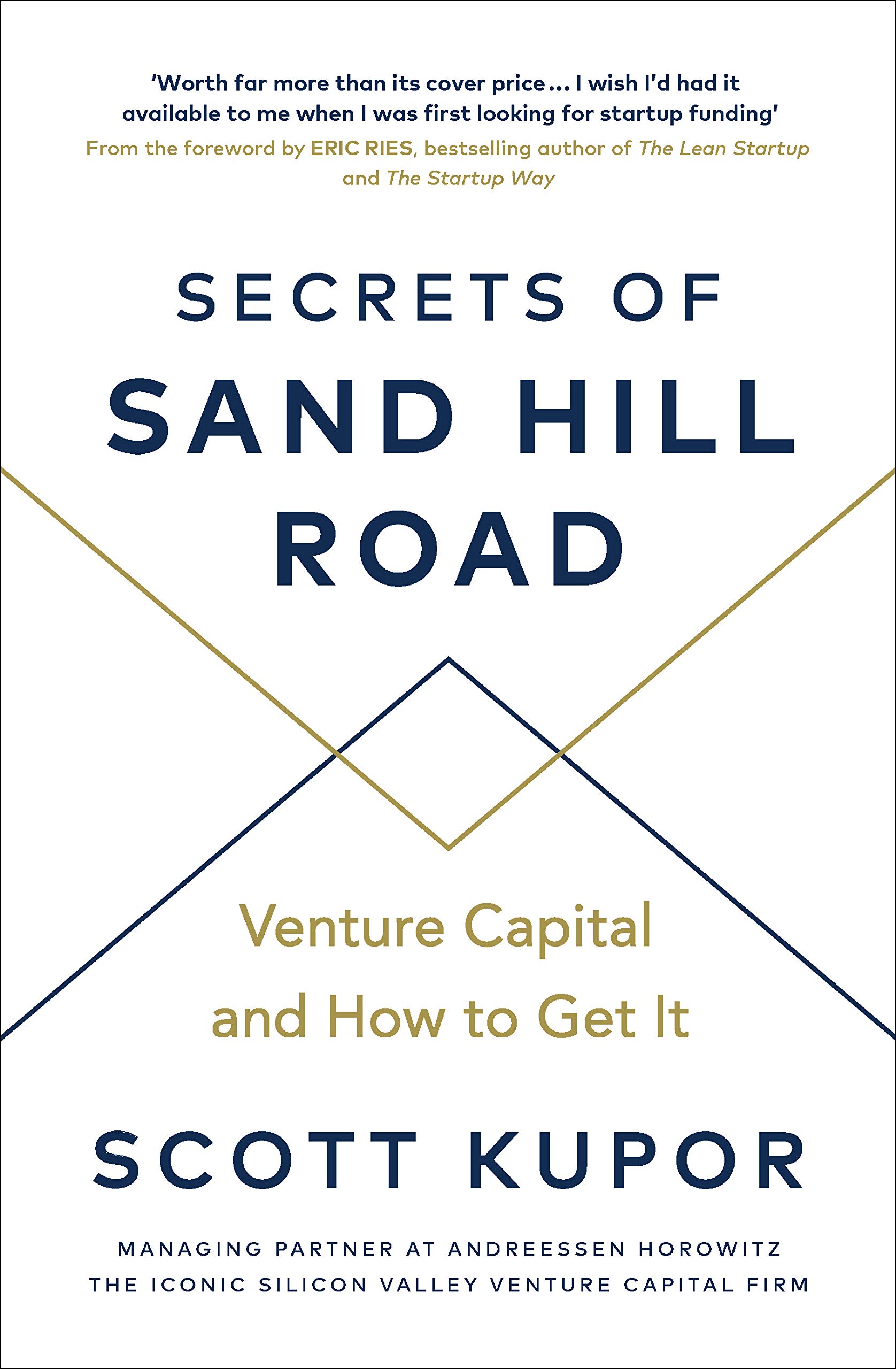
| 2 | Secrets of Sand Hill Road | 2019 | Scott Kupor | 4.23 | Learning how VCs think |
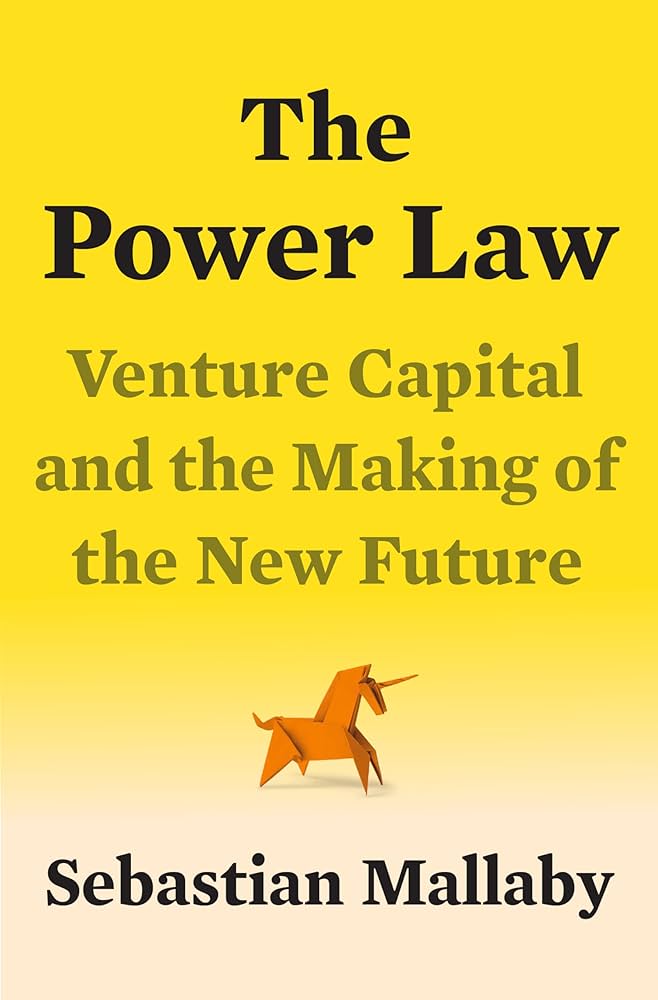
| 3 | The Power Law | 2022 | Sebastian Mallaby | 4.42 | Understanding VC economics |
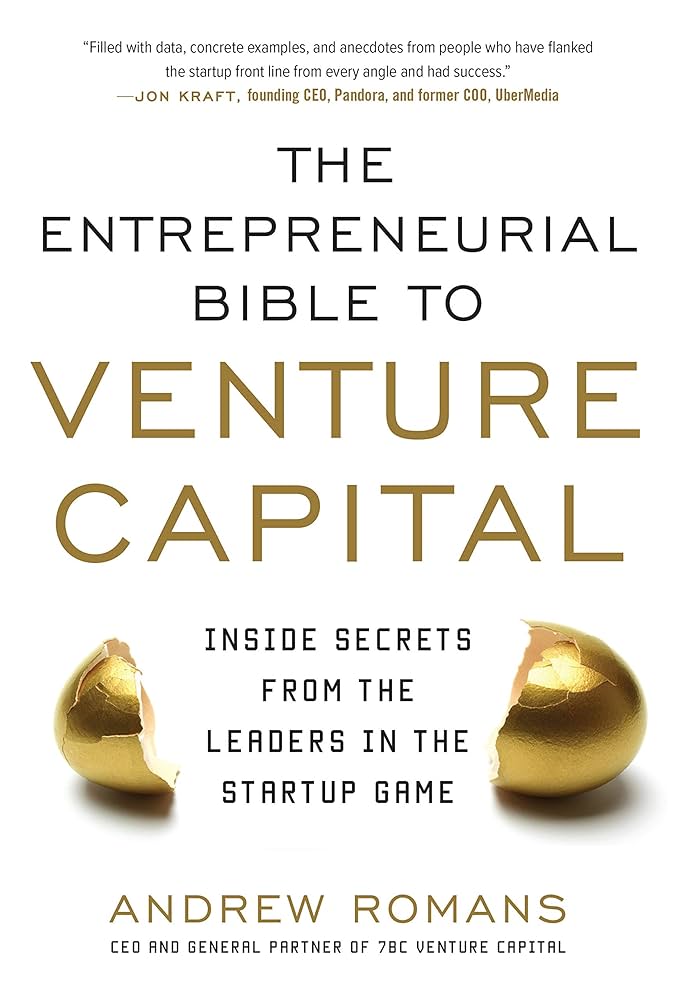
| 4 | The Entrepreneurial Bible to Venture Capital | 2013 | Andrew Romans | 3.68 | Startup fundraising guidance |
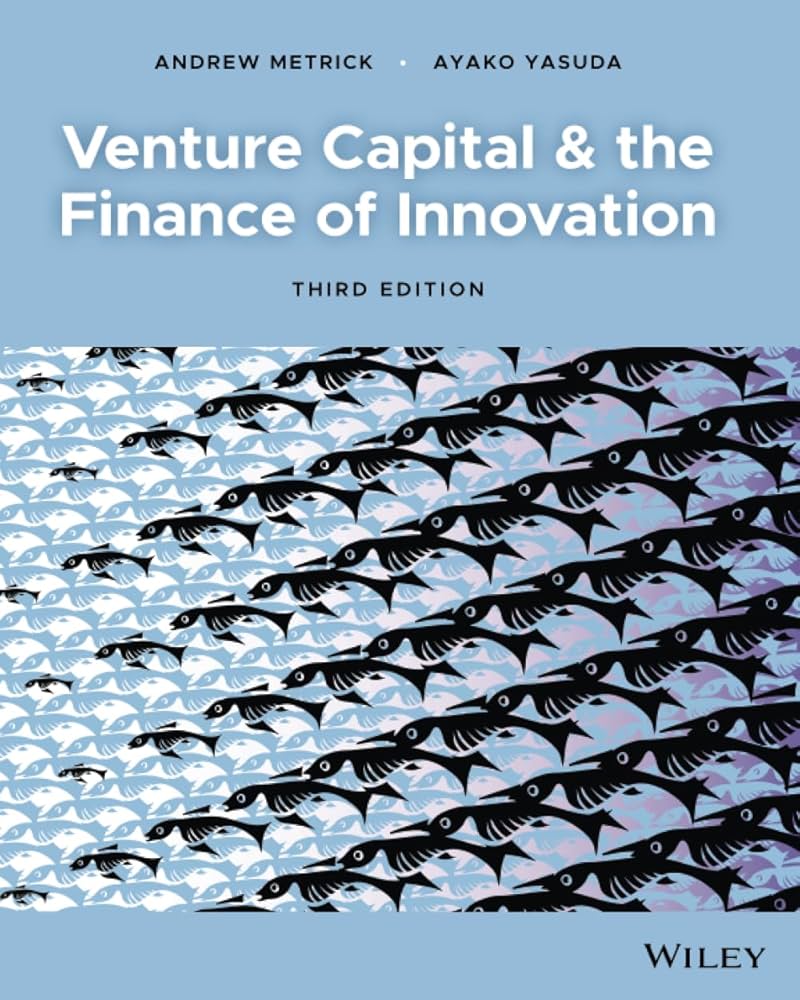
| 5 | Venture Capital and the Finance of Innovation | 2006 | Andrew Metrick & Ayako Yasuda | 4.09 | VC finance fundamentals |
1. “Venture Deals” by Brad Feld & Jason Mendelson
Venture Deals is widely regarded as one of the best books on venture capital investing because it focuses on how funding works in real situations. Instead of theory, it discusses the practice of such things as term sheets, valuations, dilution, board control, and exit clauses. The authors simplify complicated legal and financial language in a readable manner which makes the book particularly handy when a first-time founder is raising capital or a person intending on having a clear understanding of a venture capital deal.
What You Will Learn
- Venture capital term sheets
- Vesting, liquidity preferences, and economic dilution
- Standard approaches to investor negotiation
- How can the founders protect their interests
Why This Book Is Worth Reading
The fundraising founders are many and do not understand the specifics of an agreement before they get involved in fundraising. Reading this book equips an individual with the knowledge that one ought to be capable of negotiating and preventing errors that can occur in the long run. This book is not about investing public market capital. It is about venture financing mechanics.
2. “Secrets of Sand Hill Road” by Scott Kupor
Secrets of Sand Hill Road provides an opportunity to peek inside venture capital firms and understand their way of thought and business. The book is written by a long-time VC and it explains how investors assess start-ups, design funds, risk management, and when to exit. It puts a lot of emphasis on the mindset, incentive, and decision-making and not the deal terms. This qualifies it to be one of the best venture capital books for founders who seek to know more about the behaviour of investors and how they can balance their pitch, their growth strategies, and their expectations with the actual manner in which venture capital operates.
What You Will Learn
- The structure of venture capital funds
- VCs are interested in founders and business models
- The reasons behind failures and risk management in most startups
- How to match the goals of start-ups with the expectations of investors
Why This Book Is Worth Reading
When the founders pitch, in many cases, they are not aware of the limitations and motivations of venture capital firms. This is the gap in knowledge that is filled in this book.
3. “The Power Law” by Sebastian Mallaby
The Power Law describes the logic of venture capital, which is a winner-takes-most phenomenon in which a small group of successful startups earns most of the returns. The book demonstrates how risk, timing, and conviction influence the outcome in this industry using detailed accounts of some of the well-known venture capital firms and investors. Instead of being deal mechanics-oriented, it examines the development of venture capital and its effects on innovation. This has rendered it one of the best venture capital books in grasping the importance of patience, taking big risks, and being long-term in investing in a startup.
What You Will Learn
- The reason why venture capital portfolios are based on outlier successes
- The distribution of risk amongst the investments
- VCs history: the development of the venture capital sector
- Successful and failed startups lessons
Why This Book Is Worth Reading
The book gives more insight into venture capital economics and why failure is a normal and believed component of the ecosystem.
4. “The Entrepreneurial Bible to Venture Capital” by Andrew Romans
Entrepreneurial Bible to Venture Capital is dedicated to founders who desire to have a founder-friendly perspective of venture capital. The book presents the steps of raising funds step by step, including what to prepare before holding investor meetings and negotiating term sheets, as well as managing investor relationships after funding. It dwells upon practical issues entrepreneurs have to undergo, including the pressure to value, dilution, control, and raising it at the right moment. It has been written in a direct and experience-oriented manner and it is a practical guide to the start-up founders who are going through venture capital locking venture capital in the first instance.
What You Will Learn
- Equity financing: How to prepare your start-up
- Pitching to venture capitalists
- The VCs and the angel investors differed
- Scaling after financing
Why This Book Is Worth Reading
Venture capital is daunting and confusing to first-time founders. The book streamlines the process and offers realistic and practical advice.
5. “Venture Capital and the Finance of Innovation” by Andrew Metrick
Venture Capital and the Finance of Innovation is frequently listed as one of the best books on venture capital investing to read by anyone who seeks a more financial perspective of the VC world. The book describes the structure of venture capital funds, risk and returns management, as well as the alignment of incentives between founders and investors. It is more analytical and scholarly than books that are founder-focused, and thus can be of particular use to people in the field of finance, students and serious investors with a strong interest in a sound theoretical base of venture capital.
What You Will Learn
- Venture capital funds and their fundraising and deployment
- Valuation methods of startups
- Venture investing risk-return dynamics
- Venture capital case studies in the real world
Why This Book Is Worth Reading
The book can be suggested to those who would like to get a proper background of venture capital finance, in particular, finance professionals and MBA students.
Why Should One Read Venture Capital Books?
Reading a venture capital book helps you understand how capital really behaves when risk is high and outcomes are uncertain. Venture capital is not just about funding startups; it is about incentives, power laws, timing, and decision-making under extreme uncertainty. These books explain why most startups fail, why a few succeed spectacularly, and how investors think about risk, control, and returns. For founders, this knowledge prevents costly mistakes. For investors and students, it builds mental models that apply far beyond startups. You stop seeing success as luck and start seeing the structure beneath it.
Conclusion
At the nexus of innovation, finance, and long-term planning is venture capital. A solid grasp of the fundamentals of venture capital is important, whether you are a founder getting ready to raise capital or an investor looking at high-growth prospects.
From deal structures and negotiations to investor mindset and fundraising strategy, the books on this list present a variety of viewpoints. When combined, they improve your ability to think clearly and make wise decisions.
You won’t become a venture capitalist overnight by reading alone, but it will help you ask better questions and steer clear of common pitfalls. Knowledgeable thinking is a true advantage in a startup ecosystem that is changing quickly. To continue learning about investing and growth strategies, explore expert-led content on Pocketful.
Frequently Asked Questions (FAQs)
01
What is the best venture capital book you would recommend to beginners?
Venture Deals is regarded as one of the most helpful venture capital books to start with since it covers the complicated concepts in a simple and practical manner.
02
Do startup founders find venture capital books helpful?
Yes, lots of books on venture capital are composed for people who are founders directly and guide them on how to know how to raise money, valuation, and fund expectations.
03
Do venture capital books require a finance background?
No. Although there are books that are finance-related, the majority of them can be read by a reader who does not in a formal financial background.
04
Will reading venture capital books make me a VC?
These books are good background knowledge, although in the process of becoming a venture capitalist, it require practical experience, networking, and exposure to a deal.
05
Do venture capital books apply beyond the US?
Yes. Despite the numerous examples of Silicon Valley, the principles of venture capital are universal, and they exist even in the emerging markets.
Disclaimer

The securities, funds, and strategies discussed in this blog are provided for informational purposes only. They do not represent endorsements or recommendations. Investors should conduct their own research and seek professional advice before making any investment decisions.
Article History


 Facebook
 Twitter
 Instagram
 LinkedIn
 Youtube