| Type | Description | Contributor | Date |
|---|---|---|---|
 | Post created | Pocketful Team | Feb-25-26 |
Read Next
- SEBI Action on Jane Street: Impact on Indian Markets
- What is Personal Finance?
- Military Wealth Management: Strategies for Growing and Preserving Your Assets
- India’s Republic Day 2025: Honoring the Nation’s Defense Achievements
- 10 Essential Financial Planning Tips for Military Members
- How Do You Apply for PAN 2.0 Online and Get It on Your Email ID?
- 10 Best YouTube Channels for Stock Market in India
- LTP in Stock Market: Meaning, Full Form, Strategy and Calculation
- 15 Best Stock Market Movies & Web Series to Watch
- Why Do We Pay Taxes to the Government?
- What is Profit After Tax & How to Calculate It?
- Budget 2024: Explainer On Changes In SIP Taxation
- Budget 2024: F&O Trading Gets More Expensive?
- Budget 2024-25: How Will New Tax Slabs Benefit The Middle Class?
- Semiconductor Industry in India
- What is National Company Law Tribunal?
- What is Capital Gains Tax in India?
- KYC Regulations Update: Comprehensive Guide
- National Pension System (NPS): Should You Invest?
- Sources of Revenue and Expenditures of the Government of India
Best Books on Passive Income to Grow Your Wealth
Written by : Pocketful Team
|Updated by : Pocketful Team
Published on : 26th February 2026
|Updated on : 26th February 2026




People often say that passive income is “money while you sleep.” The truth is a little less interesting, but much more realistic. The majority of passive methods of earning money require some initial effort, clever systems, and time. The journey becomes easier when one learns from people who have already made the mistakes in determining what works.
The following books don’t say there are any easy ways to do things. They help you think more clearly about money, pick the right ways to make money, and set up frameworks that, over time, make you less dependent on working.
What is Passive Income?
Money that continues to flow in even when you’re not actively working on it every day is known as passive income. It doesn’t mean “no work at all.” It indicates that once the heavy lifting is over, your income will depend more on assets or systems than on your daily work.
To put it simply:
Active income pays you only when you show up and work. Passive income pays you because something you built or invested in continues to generate money.
List of Best Books on Passive Income
| S.No. | Book Name | Year | Name of the Author | Rating (Goodreads) |
|---|---|---|---|---|
| 1 | Rich Dad Poor Dad | 1997 | Robert Kiyosaki | 4.1 |
| 2 | The 4-Hour Workweek | 2007 | Tim Ferriss | 3.9 |
| 3 | The Simple Path to Wealth | 2016 | J.L. Collins | 4.4 |
| 4 | The Automatic Millionaire | 2004 | David Bach | 3.9 |
| 5 | Multiple Streams of Income | 2000 | Robert G. Allen | 3.8 |
| 6 | The Millionaire Real Estate Investor | 2005 | Gary Keller | 4.2 |
| 7 | The Book on Rental Property Investing | 2015 | Brandon Turner | 4.5 |
| 8 | I Will Teach You to Be Rich | 2009 | Ramit Sethi | 4.3 |
| 9 | Side Hustle | 2017 | Chris Guillebeau | 3.9 |
| 10 | Passive Income, Aggressive Retirement | 2019 | Rachel Richards | 4.1 |
Overview of Best Books on Passive Income
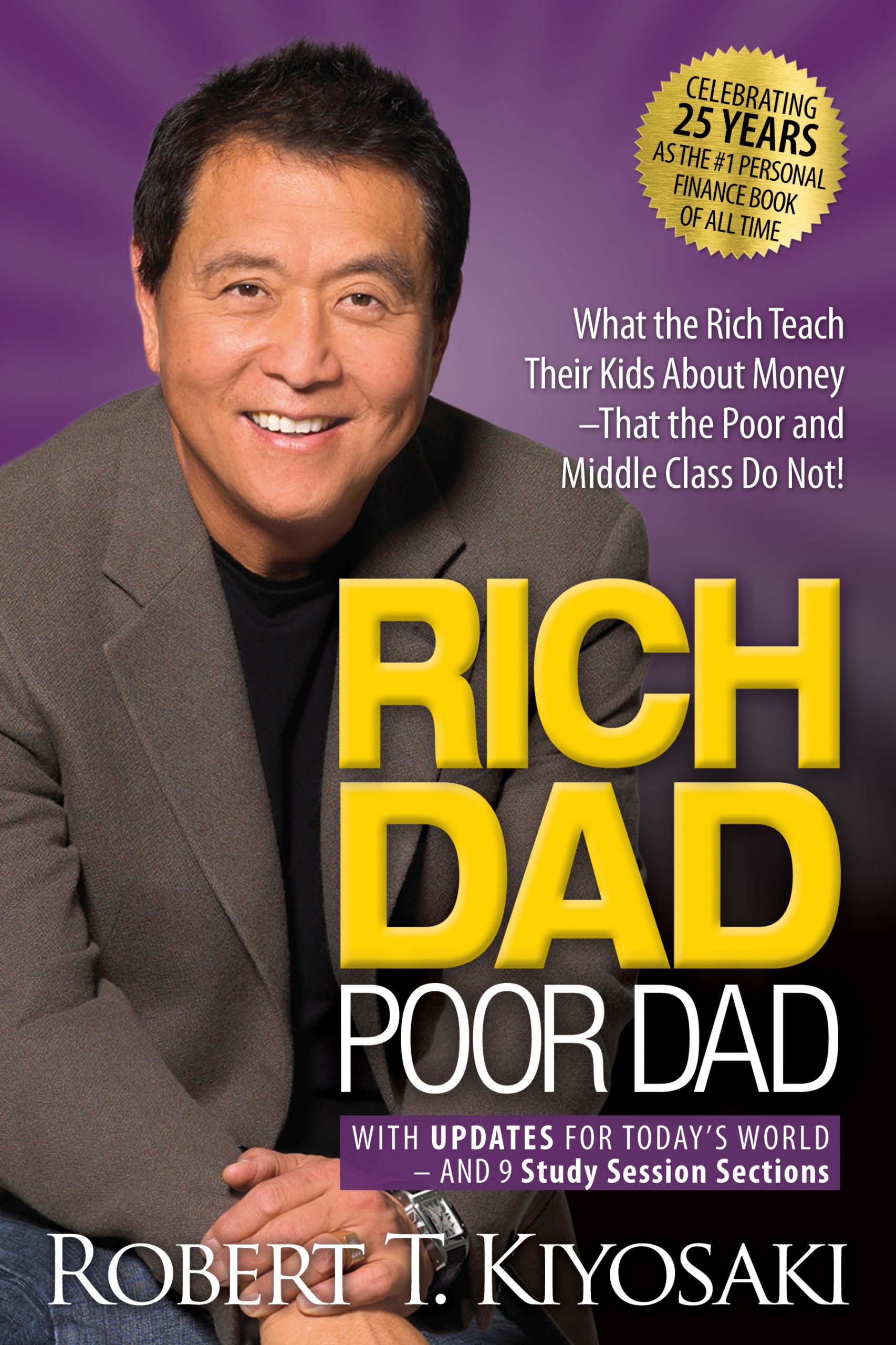
1. Rich Dad Poor Dad by Author: Robert Kiyosaki
This book is less about investing strategies and more about rewiring how you view money. The author explains why many hardworking people struggle financially, not because they earn less, but because they do not understand the difference between assets and liabilities.
The book urges readers to focus on income-generating assets such as businesses, investments, or rental income rather than relying solely on a salary, and is a popular self-help financial literature that explains concepts like cash-flow management, risk-taking, and the importance of lifelong learning in finance.
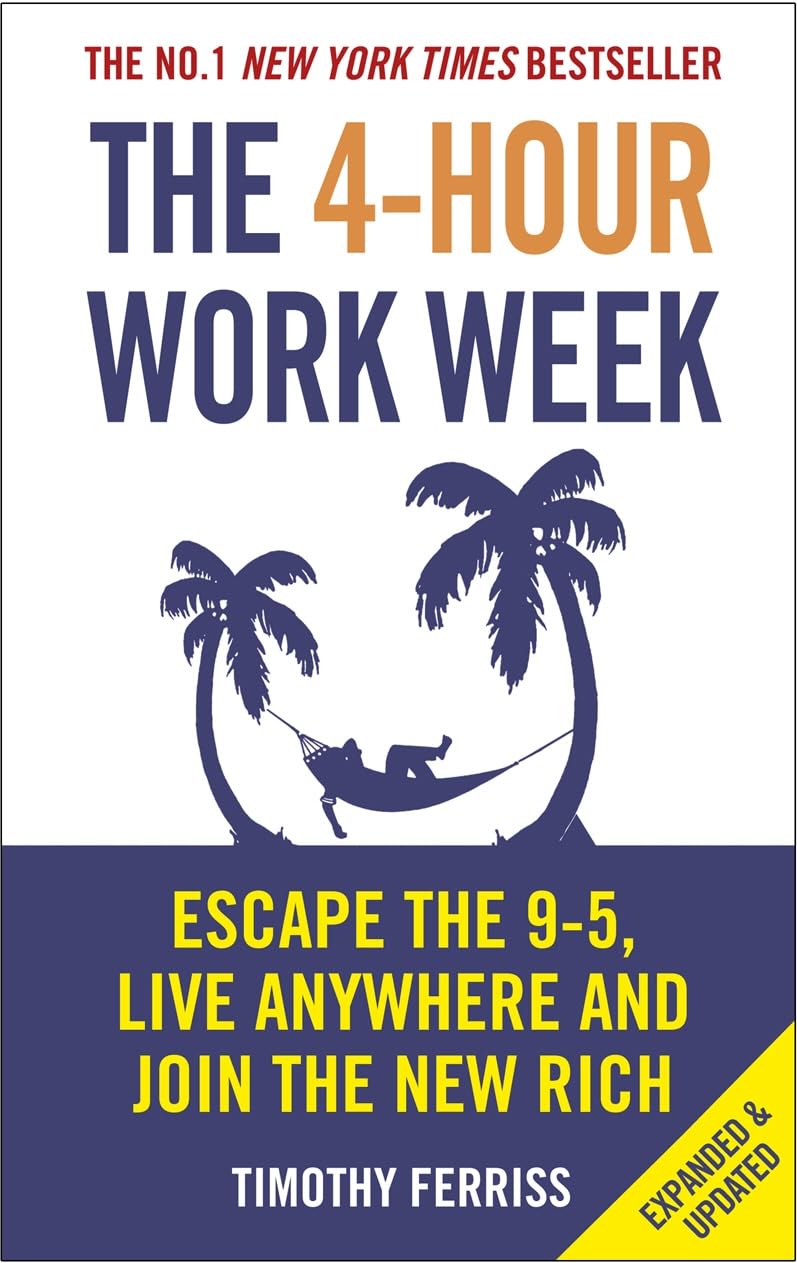
2. The 4-Hour Workweek by Author: Tim Ferriss
The author challenges the belief that working more hours automatically leads to more income. He talks about building systems, outsourcing, automation, and digital products, which allow income to continue without daily involvement.
For readers, this book often sparks a mental shift: income does not always need your constant presence. Whether it is an online course, a niche website, or an automated business process, the focus is on designing work around life, not the other way around.
The book influences the start-up culture, the rise of passive income strategies, and popularised terms like ‘digital nomad’.
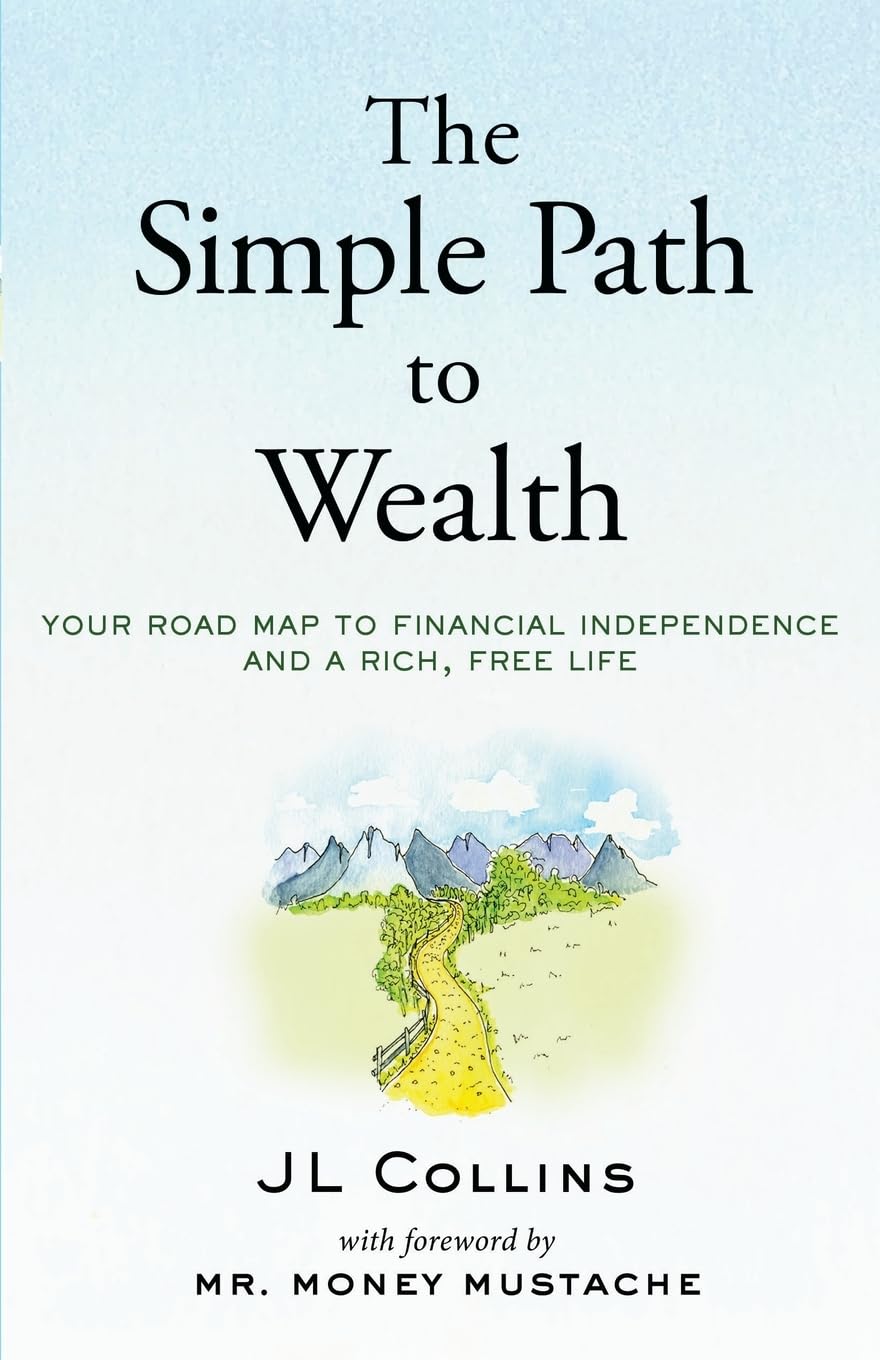
3. The Simple Path to Wealth by Author: J.L. Collins
The simplicity of this book is its strength. J.L. Collins brings investing down to its most simple components: inexpensive index funds, regularity, and patience. He does not follow the market trends or the hot stocks but rather promotes a quiet, boring strategy that accumulates wealth through compounding and dividends.
From a reader’s point of view, this book proves that passive income from investing does not require deep financial knowledge, just discipline and patience.
The book posits money as a source of freedom rather than status and defines that an individual receives financial independence when investment covers the living expenses, allowing work to be optional.
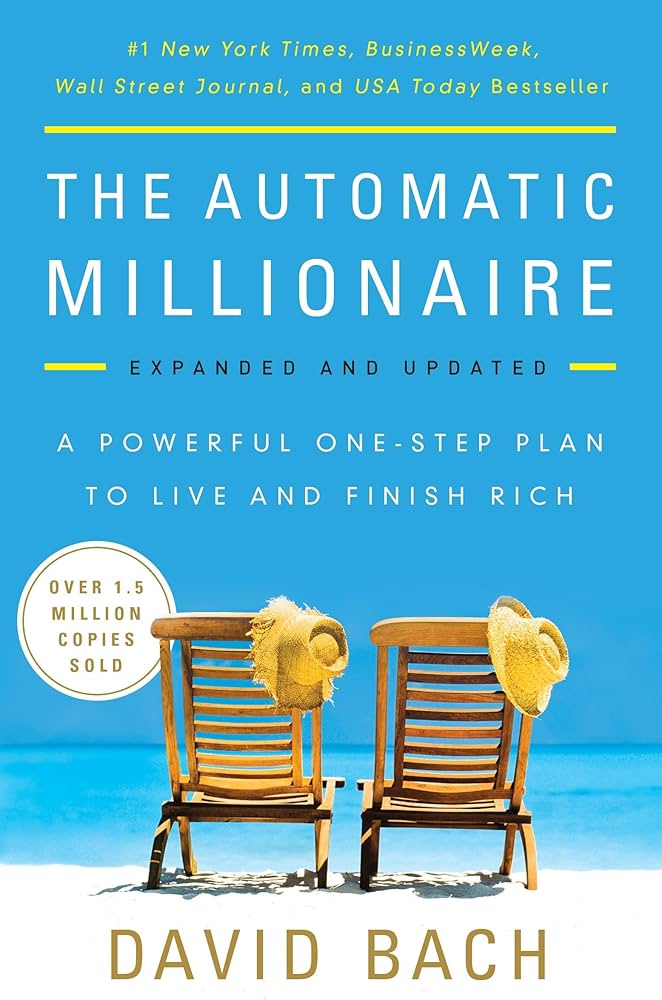
4. The Automatic Millionaire by Author: David Bach
David Bach focuses on one idea: automation. The book explains how automatically saving and investing a portion of income removes the need for motivation or self-control.
For readers, this is a game-changer. Instead of asking, “Will I invest this month?”, systems answer the question for you. Over time, this approach quietly builds passive income and long-term wealth without daily decision-making.
A hallmark of this book is ‘Latte Factor’, illustrating how small, daily discretionary expenses like buying a coffee can compound into large sums if redirected to a savings account, with the help of which investors can create wealth over time.
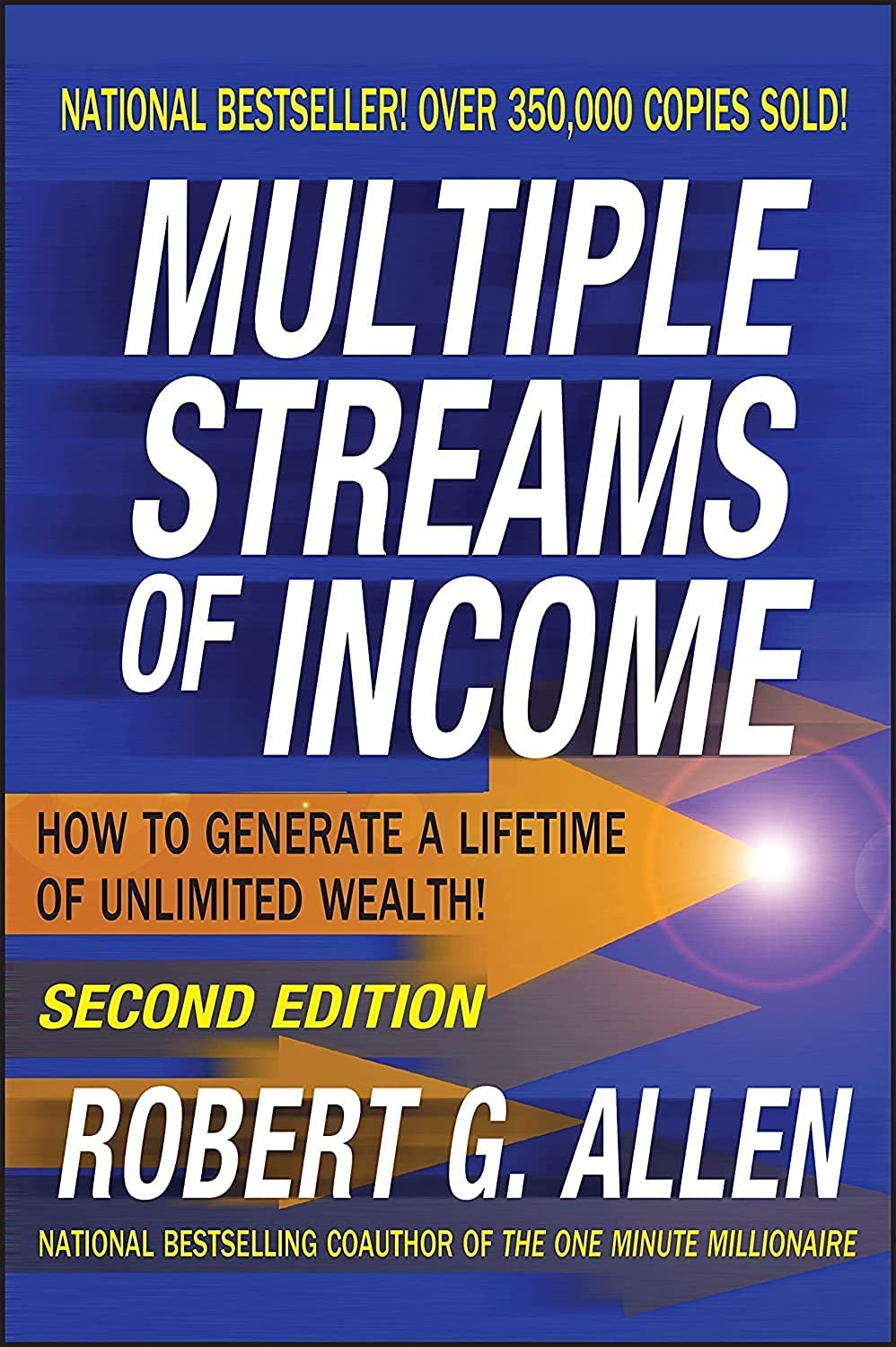
5. Multiple Streams of Income by Author: Robert G. Allen
This book reminds readers that relying on a single income source is risky. The author walks through various income ideas, from investments and royalties to businesses and real estate, helping readers understand the value of diversification.
From a reader’s perspective, the book is useful because it does not push one “perfect” method. Instead, it helps people explore multiple ways to earn, test what fits them best, and slowly build financial stability.
It presents detailed methods for discovering lucrative niches, making use of pre-existing skills, and generating regular income. Each section illustrates how diversification can speed up wealth accumulation by concentrating on a specific stream, such as real estate, paper assets, or internet-based businesses.
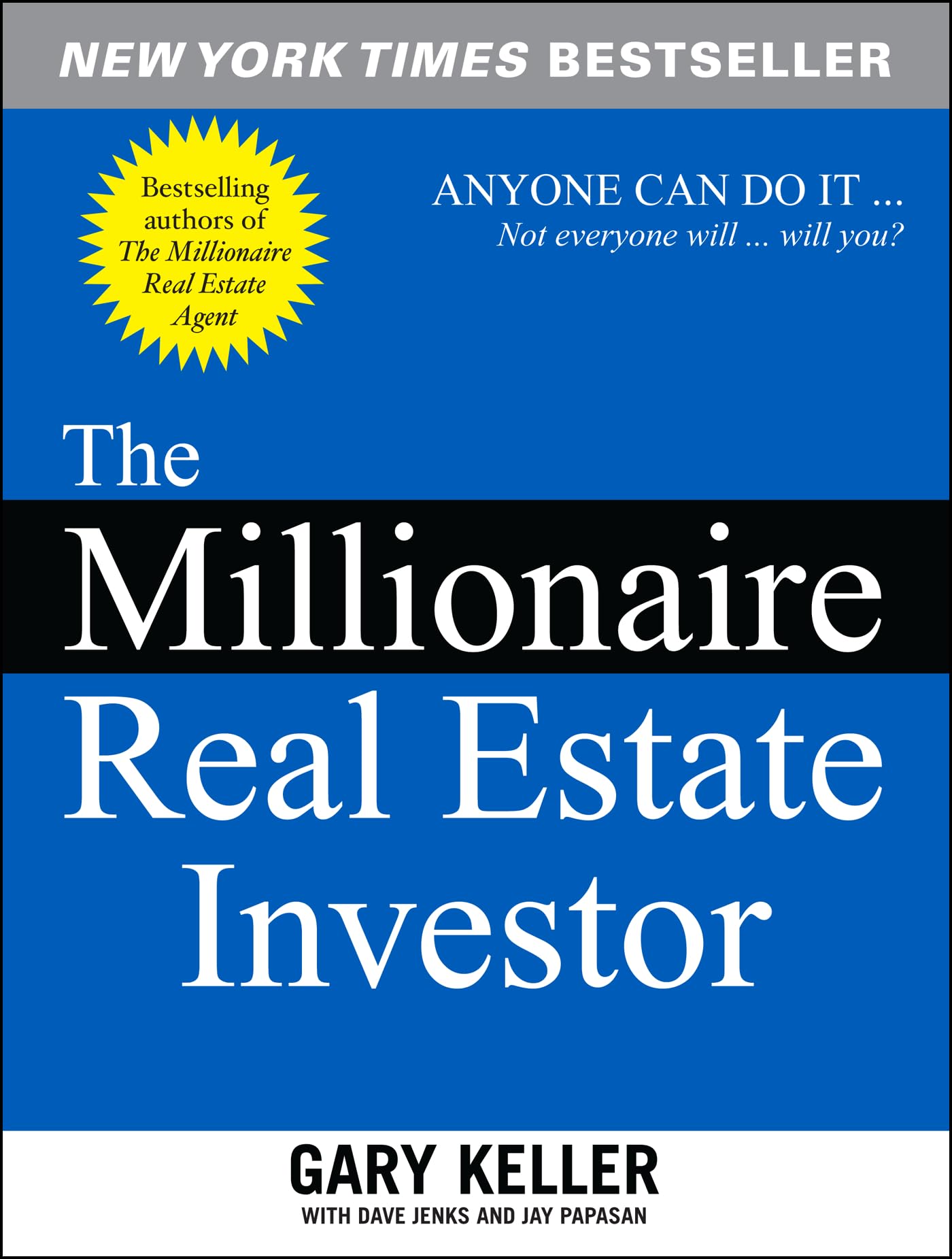
6. The Millionaire Real Estate Investor by Author: Gary Keller
Gary Keller’s book takes a data-driven approach to real estate. It is written based on real examples from successful investors and focuses on numbers, systems, and long-term thinking.
For readers interested in rental income, the book explains how real estate becomes passive only when purchases are based on cash flow and structured decision-making, not emotion or speculation. It helps readers see property as a business, not just a physical asset.
It presents detailed methods for discovering lucrative niches, making use of pre-existing skills, and generating regular income. Each section illustrates how diversification can speed up wealth accumulation by concentrating on a specific stream, such as real estate, paper assets, or internet-based businesses.
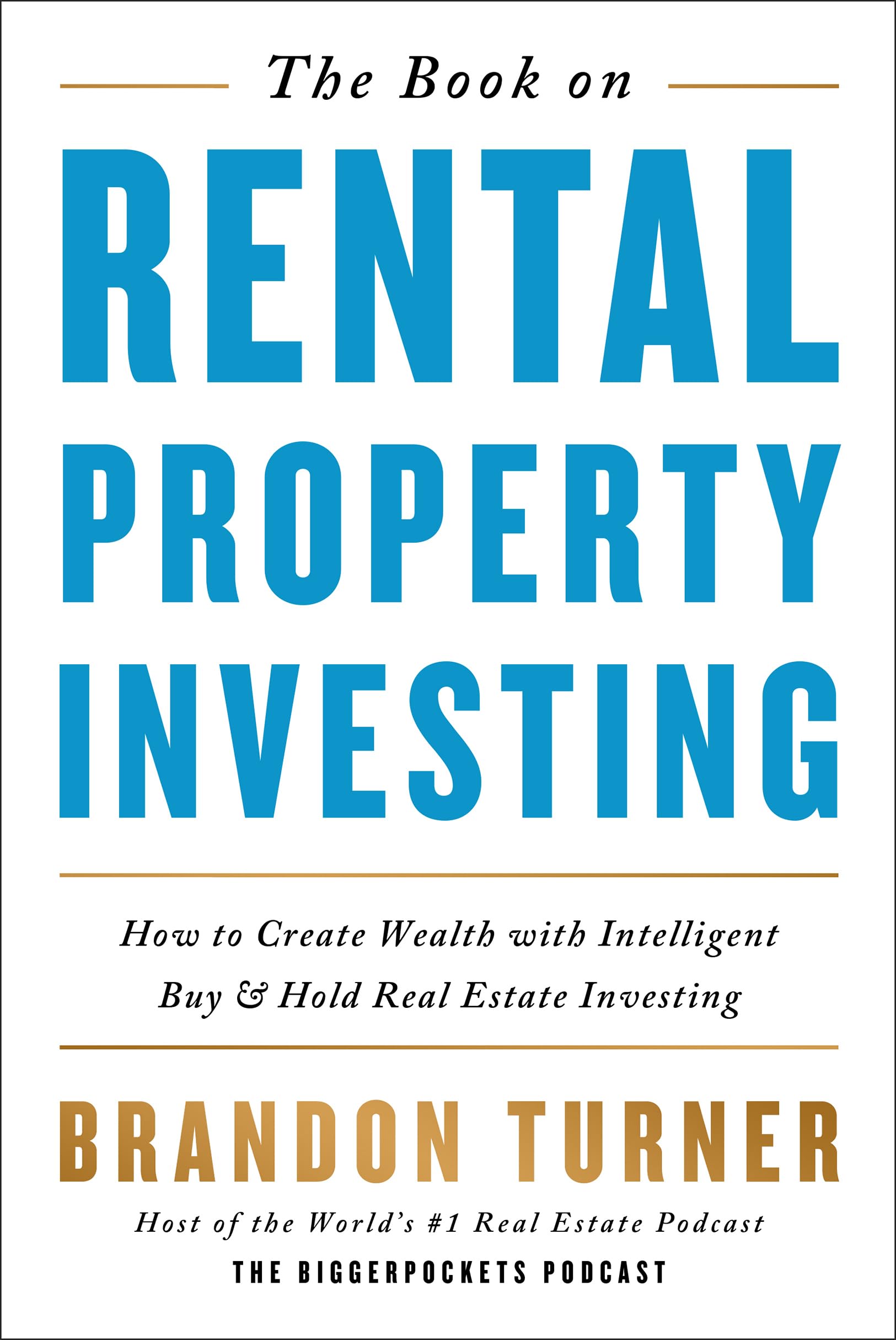
7. The Book on Rental Property Investing by Author: Brandon Turner
The author goes deep into the operational side of rental income. The book covers finding properties, financing, tenant management, and scaling portfolios. For readers, the biggest takeaway is that rental income feels passive only when systems are strong. Without structure, even one property can feel overwhelming. This book helps remove fear by showing how successful landlords manage everything.
Turner focuses on ‘intelligent buy and hold’ investing, promoting a disciplined, data-driven approach over speculation and gambling. He organises his lessons around 5 pillars of success, planning, deal-analysis, financing, team building, and management which are explained through case-studies drawn from his 500+ unit portfolio.
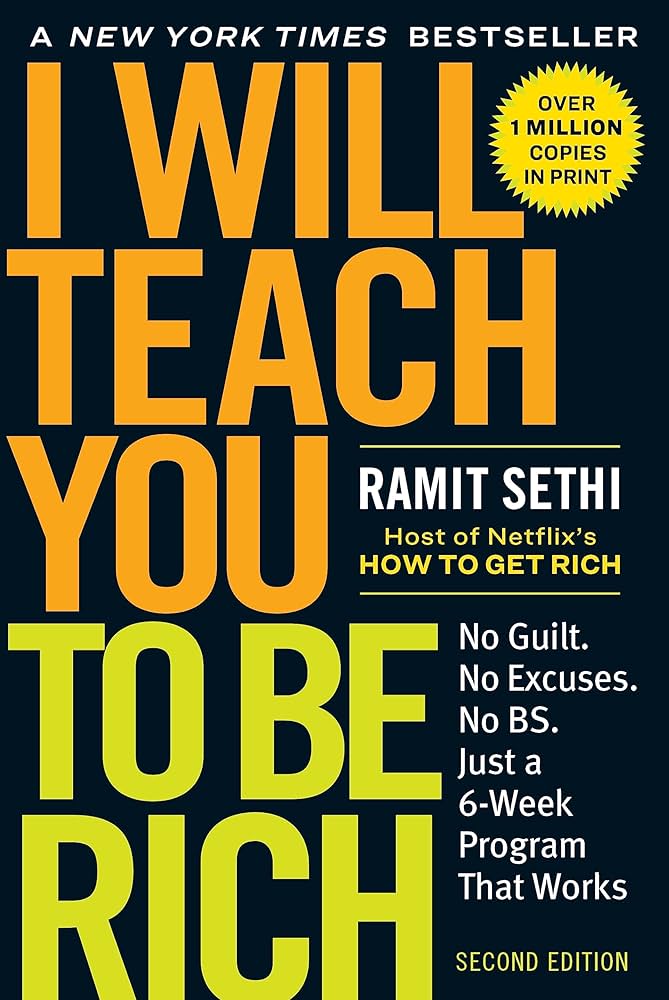
8. I Will Teach You to be Rich by Author: Ramit Sethi
Despite its title, this book is very practical. The author focuses on building financial systems that run automatically while allowing guilt-free spending on what matters most to you. For readers, the point of attraction lies in balance, earning, investing, and enjoying life without overthinking every financial decision. Passive income, according to Sethi, should support your lifestyle, not control it.
The book rejects extreme frugality (being careful with money and resources) and ‘latte shaming’ (the judgmental practice of criticising younger generations for spending money on small and daily luxury items like coffee).
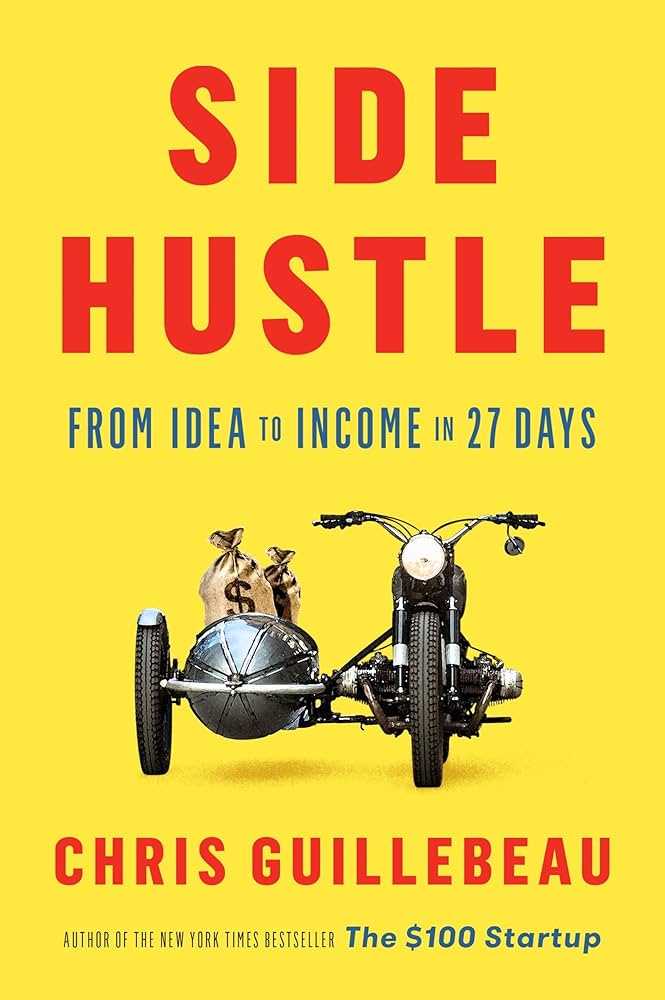
9. Side Hustle by Author: Chris Guillebeau
The author encourages readers to stop waiting for the perfect idea and start testing quickly. The book focuses on launching low-risk side hustles, validating demand, and learning by doing. It shows that many passive income streams begin actively and gradually become scalable.
He defines a ‘side hustle’ as a manageable, part time ventre that adds financial security and creative satisfaction, including examples from ordinary professionals who built small, profitable enterprises alongside full-time employment.
10. Passive Income, Aggressive Retirement by Author: Rachel Richards
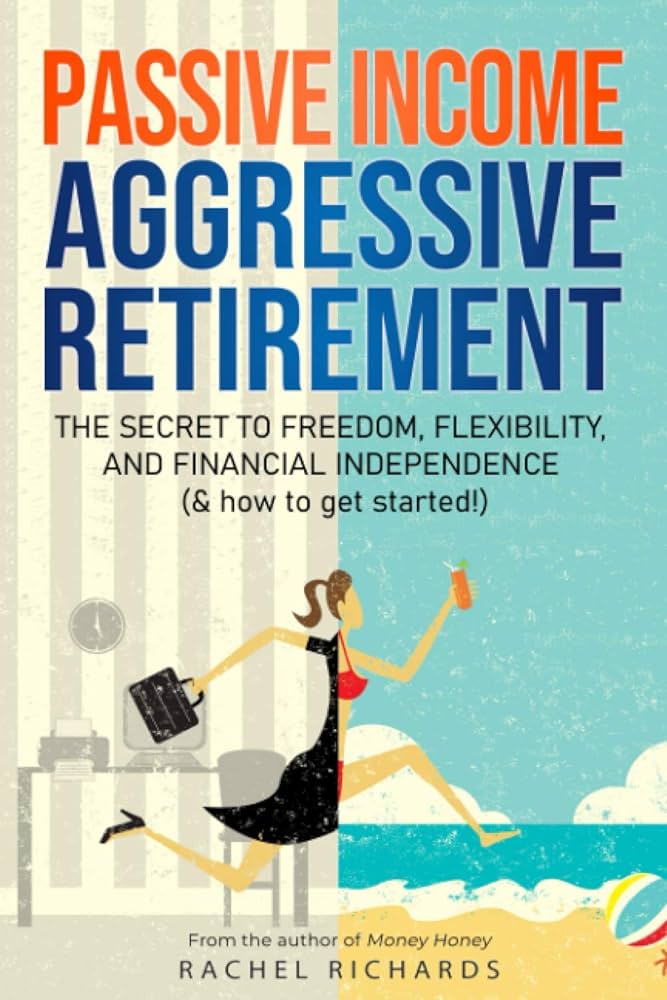
Rachel brings together investing, online income, and real estate into one clear roadmap. The book explains how stacking multiple passive income streams can accelerate financial independence.
For readers, the biggest value lies in seeing how small, steady income sources, when combined, can create long-term security faster than relying on just one strategy.
The main idea of the book is to redefine retirement as achieving financial independence early in life rather than quitting employment. Richards presents the idea of “aggressive retirement,” in which the conventional retirement timeline is extended through prudent investing, disciplined saving, and the generation of passive income.
Read Also: Best Wealth Creation Books
Conclusion
Every passive income stream, whether it is dividends, rental income, or a digital product, requires some form of effort or investment at first. The difference is that the work compounds instead of resetting every month.
The books discussed in this blog do not promise shortcuts. What they offer is clarity.They demonstrate the ways to reduce your dependence on one paycheck by gradually accumulating assets, automating finances, and diversifying income. You do not need to learn everything at the same time. It is possible to change your financial journey in the long-run with just one small step. Passive income is not speed-oriented but direction-oriented. Enhance your market knowledge with Pocketful – enjoy free brokerage on stocks & ETFs, plus advanced trading tools like Scalper, Option Chain, Charts, and more.
Frequently Asked Questions (FAQs)
01
Is passive income really passive?
Not entirely. Most passive income streams need effort, money, or skills at the start. Over time, the involvement reduces, but monitoring is always required.
02
What is the easiest passive income for beginners?
For most beginners, investing in index funds or dividend mutual funds is the easiest place to start because it requires minimal time and decision-making.
03
Do I need a lot of money to build passive income?
No. Some options need capital, but others mainly need time or skills, like writing, content creation, or building digital products.
04
Is passive income risky?
Every income source has some risk. The key is diversification, earning from multiple passive streams instead of depending on just one.
05
What is the biggest mistake people make with passive income?
Expecting fast results and giving up too early. Passive income works best when treated as a long-term strategy, not a shortcut to create wealth.
Disclaimer

The securities, funds, and strategies discussed in this blog are provided for informational purposes only. They do not represent endorsements or recommendations. Investors should conduct their own research and seek professional advice before making any investment decisions.
Article History


 Facebook
 Twitter
 Instagram
 LinkedIn
 Youtube