



| Type | Description | Contributor | Date |
|---|---|---|---|
 | Post created | Pocketful Team | Aug-17-26 |
Read Next
- Is ₹2000 Note Still Valid in India in 2026?
- Best Stock Market YouTube Channels in India for Beginners
- SEBI Action on Jane Street: Impact on Indian Markets
- What is Personal Finance?
- Military Wealth Management: Strategies for Growing and Preserving Your Assets
- India’s Republic Day 2025: Honoring the Nation’s Defense Achievements
- 10 Essential Financial Planning Tips for Military Members
- How Do You Apply for PAN 2.0 Online and Get It on Your Email ID?
- LTP in Stock Market: Meaning, Full Form, Strategy and Calculation
- 15 Best Stock Market Movies & Web Series to Watch
- Why Do We Pay Taxes to the Government?
- What is Profit After Tax & How to Calculate It?
- Budget 2024: Explainer On Changes In SIP Taxation
- Budget 2024: F&O Trading Gets More Expensive?
- Budget 2024-25: How Will New Tax Slabs Benefit The Middle Class?
- Semiconductor Industry in India
- What is National Company Law Tribunal?
- What is Capital Gains Tax in India?
- KYC Regulations Update: Comprehensive Guide
- National Pension System (NPS): Should You Invest?
How to Start a Sub Broker Business in India
Published on : 17th August 2026
|Updated on : 17th August 2026



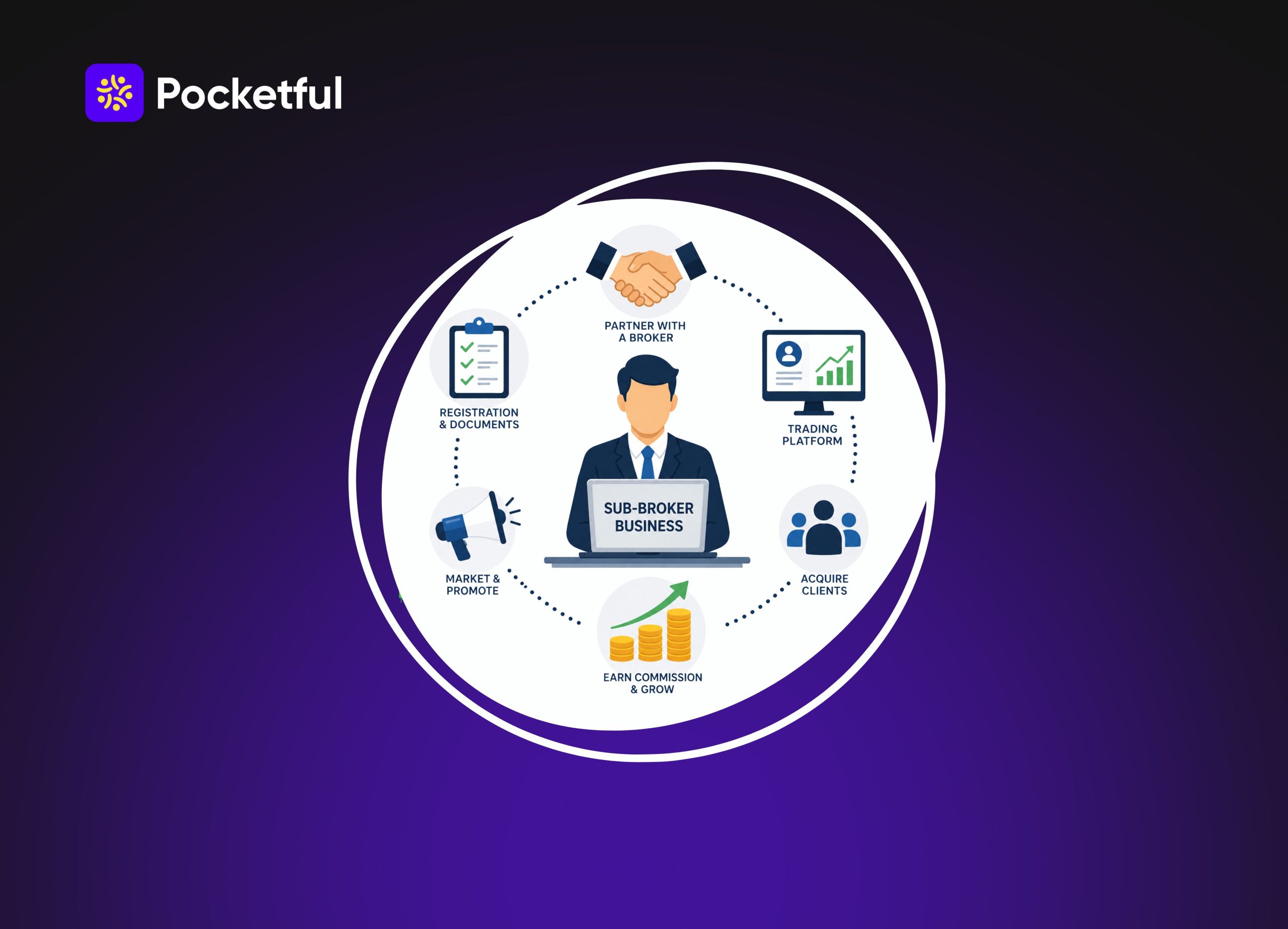
The stock market offers massive opportunities for wealth creation and financial growth. Many individuals want to explore this space but lack the proper guidance to navigate it effectively. Financial professionals step in to bridge this gap between market enthusiasts and actual trading execution. Starting a venture in the financial sector provides a structured path to turn market knowledge into a stable profession. Success requires clear communication and a dedication to assisting retail investors.
What is a Sub-broker (Authorised Person) in India?
A sub-broker acts as a vital link between the main stockbroker and the end investor. Retail investors cannot trade directly on the exchange without help. They need a registered intermediary to facilitate their market transactions securely.
In 2018, the Securities and Exchange Board of India replaced the old term with the new title of Authorised Person. These professionals operate under the brand name of a larger broker but run their own independent operations. They earn a commission based on the brokerage fees generated by the trades of their clients.
How to Run a Sub-broker Business
Operating a successful financial franchise involves specific strategies and operational knowledge. The following points highlight the core methods required to manage this business effectively.
- Maintain Low Initial Costs: Starting this venture requires minimal capital compared to building a traditional startup. The professional does not need to buy an expensive exchange membership license. They simply register under an established broker and utilize existing infrastructure.
- Leverage Broker Resources: A key operational strategy involves using the parent broker’s technology and research. The authorized person gains access to trading terminals and investment strategies at no extra cost. This allows the business owner to focus entirely on client service and business expansion.
- Handle Essential Paperwork: The professional assists clients with the necessary documentation to begin trading. This includes helping them open demat accounts smoothly and securely. Platforms like Pocketful process these setups digitally in under five minutes with zero account opening fees.
- Offer Multiple Financial Products: Running a successful operation means providing diverse financial solutions to meet client needs. The professional can offer stocks, mutual funds, and initial public offerings (IPO) under one roof. Partnering with Pocketful enables the offering of zero brokerage on equity delivery, which attracts more clients.
- Align Business Interests: The earning potential is virtually limitless and depends strictly on client trading volume. When clients trade more, both the broker and the agent generate higher revenues. Brokers are highly motivated to provide excellent support to ensure mutual financial growth.
- Ensure Regulatory Compliance: Market participants must adhere to strict guidelines set by the financial regulator. Agents cannot accept client funds into their personal bank accounts under any circumstances. Transparency and proper record keeping build long term trust and safeguard the business from legal issues.
- Acquire Proper Certifications: Gaining proper knowledge builds immediate credibility in the highly competitive market. Passing modules from the National Institute of Securities Markets is highly recommended and often required. This advanced training helps professionals explain complex products simply and accurately.
How to Grow a Sub-broker Business in the Franchise Model
Expanding a financial franchise requires a strong focus on client relationships and consistent engagement. The following points outline proven methods to scale the operation successfully.
- Build a Natural Database: The first step to growth is creating a list of close and existing connections. This list includes family members, relatives, and friends who might want to invest. This strategy provides a warm start and initial momentum for the new franchise.
- Keep Clients Engaged: Growth relies heavily on client activity and satisfaction. The professional must offer correct advice and profitable deal suggestions to keep investors interested. Successful trades build trust and encourage clients to increase their trading volume over time.
- Leverage Digital Marketing: Building an online presence is mandatory in today’s digital world. Sharing market insights on social media helps attract younger, tech savvy investors. A strong digital brand significantly improves the rate of acquiring new clients.
- Host Educational Events: Organizing frequent seminars and workshops informs prospective investors about market trends. These events help build credibility and establish trust within the local community. It also provides an excellent networking opportunity to gather new leads.
- Provide Diversified Investment Options: Clients increasingly want a complete financial environment rather than just equity trading. Offering bonds, insurance, and portfolio management services turns the agent into a one-stop partner. This variety helps lower client attrition during periods of market turbulence.
- Secure Better Revenue Shares: Stockbrokers heavily reward partners who produce consistent and rising cash flows. As the franchise expands its client base, it can negotiate a larger slice of the brokerage commission.
Documents Required to Start a Sub-broker Business
To register officially, the applicant must submit specific paperwork to the parent broker. The stock exchange conducts mandatory background checks using these submitted documents. The primary requirements are detailed below to ensure a smooth registration process.
| Document Type | Acceptable Proofs | Purpose |
|---|---|---|
| Identity Proof | PAN Card | Mandatory for all financial registrations and tax tracking. |
| Address Proof | Aadhaar card, valid passport, driving license, or latest electricity bill | Required to verify the permanent address of the applicant. |
| Educational Proof | 10+2 passing certificate or higher degree | Ensures the applicant meets the basic educational and literacy criteria. |
| Bank Details | Cancelled cheque or recent bank statement | Needed to link the commission payout account successfully. |
| Photographs | Recent passport sized photographs | Required for identity verification and official exchange records. |
| Experience Document | Capital market experience certificate | Mandatory if the educational qualification is lower than the required standard. |
Some brokers may also require a modest security deposit depending on their specific business model. All documents must be verified and approved before the official operational code is issued by the stock exchange. Proper documentation ensures the integrity of the capital market is maintained.
Conclusion
Starting an authorized person franchise provides a structured and secure entry into the financial services sector. It bridges the gap between eager investors and the broader market ecosystem. This model allows individuals to utilize established platforms, significantly reducing the financial hurdles of starting a brand new enterprise. Embracing this professional role can lead to a highly rewarding and stable career journey. Start Your Journey as an Authorised Person with Pocketful & Get Industry-Leading Brokerage Sharing.
| S.NO. | Check Out These Interesting Posts You Might Enjoy! |
|---|---|
| 1 | How to Become a Sub Broker in India |
| 2 | SEBI Rules for Authorised Person Registration |
| 3 | What Happens If a Stockbroker Shuts Down? |
| 4 | Can an Authorised Person Trade for Himself? Rules Explained |
| 5 | Remisier vs Authorized Person (AP): Key Differences |
Frequently Asked Questions (FAQs)
01
What is the meaning of a sub-broker?
An authorized person acts as a vital link between retail investors and registered stockbrokers. They facilitate trades and provide market advice under the main broker’s official brand.
02
What are the benefits of this business?
It offers high earning potential with very low upfront financial investment. The professional gains free access to the parent broker’s technology, research, and advanced trading platforms.
03
How to use a broker’s platform?
Partners receive a dedicated dashboard to onboard clients quickly and track daily trades. They use this software to monitor generated revenue and manage their overall business operations smoothly.
04
How to use financial products to attract clients?
Offering diverse products like mutual funds, stocks, and bonds keeps clients engaged. Platforms like Pocketful offer zero delivery brokerage, making client acquisition much easier and cost effective.
05
What is the meaning of the SEBI registration?
It means the professional is officially recognized by the primary market regulator. It ensures they follow strict compliance rules, providing a secure and legal trading environment for clients
Disclaimer

The information shared in this content is intended solely for educational and informational purposes and should not be considered financial, investment, or trading advice. Any references to stocks, mutual funds, or market instruments are purely for informational purposes and do not constitute recommendations. Investments in financial markets are subject to market risks, and past performance is not indicative of future returns. Readers are advised to conduct independent research, review official documents carefully, and consult a qualified financial advisor before making any investment or trading decisions.
Article History