| Type | Description | Contributor | Date |
|---|---|---|---|
 | Post created | Pocketful Team | Feb-03-26 |
Read Next
- What Is Leverage in the Stock Market?
- How to Pledge ETFs for Margin in India
- What Is Expiry Day Trading?
- Best ETF Platforms for Trading and Investment in India 2026
- What Is Strike Price in Options Trading?
- What is Speculative Trading?
- What is Revenge Trading?
- What Is Time Decay in Options?
- What are Candlestick Patterns? 38 Candlestick Patterns Every Trader Must Know
- How to Read Stock Charts: A Beginner’s Guide to Chart Analysis
- What is Gold Trading?
- Top Algo Trading Programming Languages in 2026
- What is Short-Term Trading Vs Long-Term Trading Strategies?
- NSE Algo Trading Rules for Retail Traders in India
- What is a Harami Candlestick Pattern?
- What is Average Traded Price in Stock Market
- What is MIS in Share Market?
- 7 Common Mistakes in Commodity Trading New Traders Must Avoid
- Brokerage Charges in India: Explained
- What is a BTST Trade?
Common Trading Mistakes Beginners Make (And How to Avoid Them)
Written by : Pocketful Team
|Updated by : Pocketful Team
Published on : 4th February 2026
|Updated on : 4th February 2026



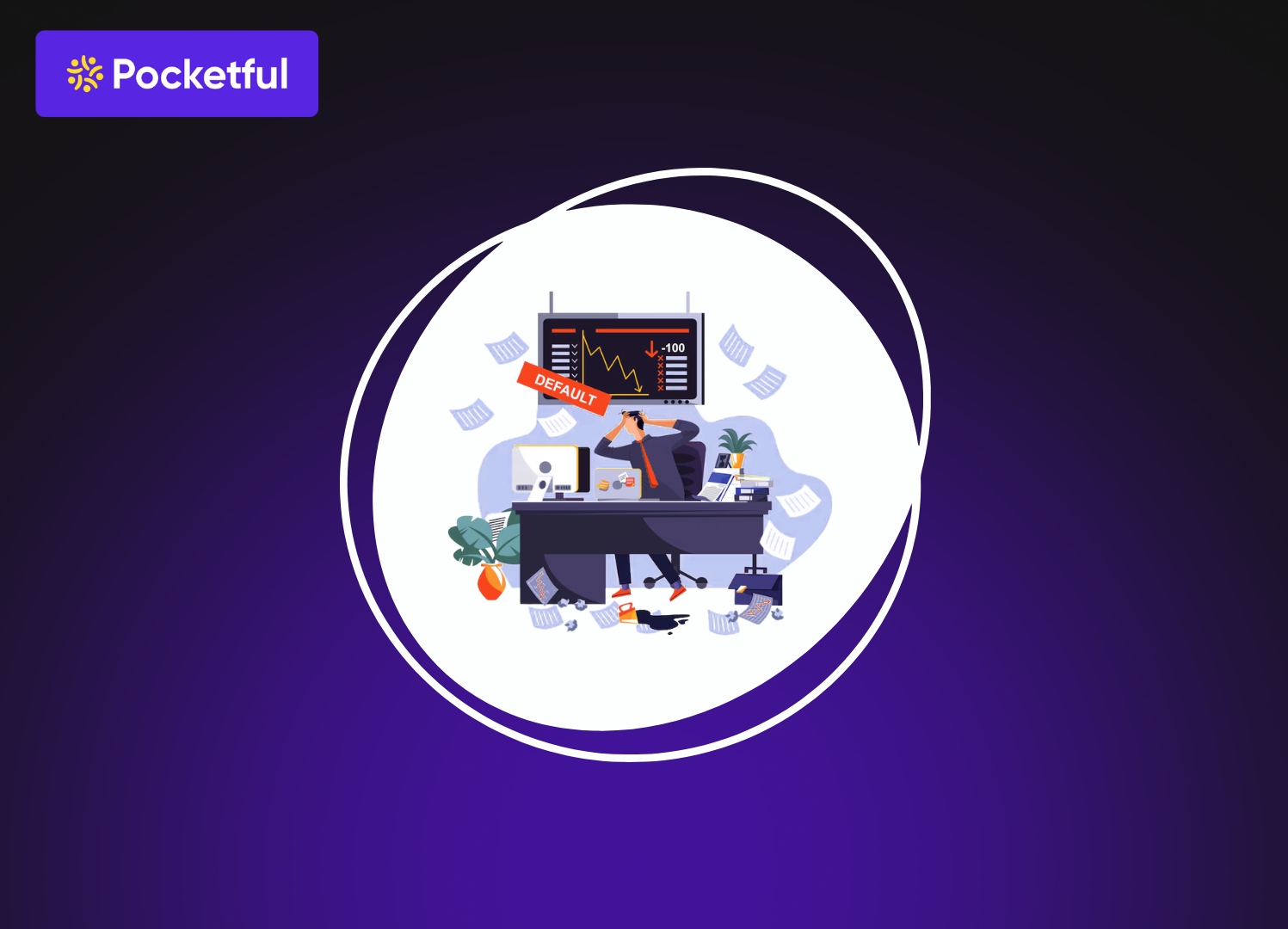
Trading looks simple from the outside. A few charts, some green and red candles, and stories of people making quick money. But once you step in, you get to know the reality. Markets reward discipline.
Most beginners do not lose money because markets are unfair. They lose, because they do the same predictable errors. Moreover, these errors can be prevented provided that you correct them at the beginning.
In this post, we’ll go over the 10 most common mistakes new traders make and show you how to avoid them so you can build a stronger, more disciplined trading foundation.
Top 10 Common Trading Mistakes
1. Trading Without a Plan
One day, you buy because the chart “looks bullish.” Another day, you sell just because the price dipped. This is not trading; instead, this is reacting. Without a clear plan, there is no defined exit, no risk limit, and no direction. Emotions slowly take over, and decisions change from one candle to the next.
A trading plan is your rulebook which tells you when to enter, exit, how much risk to take, and when to stay out. Without it, emotions quietly take over.
Example – A new trader buys a stock after seeing a strong morning rally without any target or stop-loss. By afternoon, the price reverses. The trader is now confused with direction, and the loss grows.
How to Avoid
- Note down your entry, exit, stop-loss, somewhere in your notebook and position size before placing the trade.
- If you cannot explain your trade in one sentence, do not take it.
- Review your plan weekly, not impulsively during market hours.
2. Ignoring Risk Management
Beginners often think in terms of profits, not protection. The question usually asked is, “How much can I make?” instead of “How much can I lose?” This mindset leads to oversized positions and unnecessary stress. Without proper risk management, even a single bad trade can erase weeks of progress.
Risk management is not boring. It is essential.
Example – A trader puts 40% of their capital into one “high-conviction” trade. The trade fails. Weeks of progress disappear in a single session.
How to avoid this
- Risk only a small portion (1-2%) of capital on one trade.
- Always use a stop-loss, even if you are “very confident.”
- Make sure the reward is larger than the potential loss before entering.
3. Choosing Stocks without Research
Many new traders buy stocks based on tips or trends without understanding what they are trading. When the price starts moving unpredictably, fear kicks in because there was no good reason behind the trade. Research does not have to be complex or time-consuming. It simply means knowing why you are entering a trade, being aware of major events, and understanding basic price behaviour.
Social media trends, WhatsApp tips, and “this stock will double” messages trap many beginners. If you do not understand the price, it becomes dangerous.
Example – A trader bought a stock because it was trending online. He did not know the earnings were scheduled for the next day, and the stock gaps down 8% the next morning.
How to Avoid This
- Understand why you are buying, not just what you are buying.
- Check fundamentals, recent news, and chart structure, along with the price patterns
- Avoid entering trades just because the crowd is also entering.
4. Not Using Leverage Properly
Leverage feels powerful. A small move brings quick profits and even losses. New traders often think, “If I am right, why not go big?” One should always remember that markets do not reward that mindset for long. In real life, leverage adds pressure and amplifies emotional reactions. Even when the idea is right, poor timing or small fluctuations can lead to unnecessary losses.
Example – A trader used 10x leverage in a sideways market which means his capital was ₹100, and he traded with ₹1000. The result was that he was at a loss, even though the original idea was not wrong.
How to avoid this
- Use leverage only after understanding its downside.
- Trade smaller sizes until consistency improves.
Focus on execution quality, not position size.
5. Blindly Following Tips & Social Media Teachers
Tips from someone else might feel convenient, especially when confidence is low. What works for someone else may not fit your capital, risk tolerance, or psychology. You also need to check if the person giving the tip is a certified professional or just a random person with almost no experience. Blindly copying others delays learning and builds dependency.
Example – A Telegram call suggests buying at ₹200 with a ₹195 stop-loss. You enter late at ₹206. The stop-loss hits instantly, and you are now left wondering what went wrong.
How to avoid this
- Learn the logic behind trades instead of copying entries.
- Use tips only as study material, not instructions.
- Build confidence in your process.
6. Letting Emotions Control Your Trades
Emotions play a silent but destructive role in trading. Fear makes you exit winners too early. Greed makes you hold losers too long. Emotions might not show up on charts, but they do destroy accounts silently. Over time, this behaviour creates inconsistency and self-doubt.
Example – A trade moves in your favour. Instead of sticking to the target, you panic and exit early. Minutes later, the stock reaches exactly where you planned to sell.
How to avoid this
- Define exits even before you enter the trade.
- Losses as part of trading, not personal failure and you need to accept this fact.
- Keep a journal to track emotional decisions.
7. Holding Losing Trades Expecting a Reversal
Many traders refuse to exit losing trades because closing the position feels like admitting failure. One need to understand that hope and expectations are not a trading strategy. Many traders refuse to exit losses because closing the trade feels like admitting defeat. The market does not reward patience when it is driven by denial.
Example – A trader ignores their stop-loss thinking, “It will bounce.” Instead, the loss doubles, and capital is stuck for weeks.
How to avoid this
- Respect stop-losses religiously.
- Keep booking small losses.
- Remind yourself that protecting capital is success.
8. Overtrading
Many beginners trade just to feel productive, not because the opportunity is strong. If you do not have a proper setup, do not trade. This leads to poor decision-making, mental fatigue, and unnecessary losses. It is that simple. Trading just because you are getting bored is not a good idea. Learning when not to trade is a skill that separates consistent traders from the impatient one.
Example – A trader takes five low-quality trades on a slow day. All five fail. One good setup the next day could have recovered everything, but the capital is already damaged.
How to avoid this
- Trade only when your criteria are met.
- Set daily trade limits.
- Remember: patience is a position.
9. Skipping the Learning Phase
Many beginners jump directly into live trading without learning the basics. Indicators are used without understanding, signals conflict, and confusion increases mid-trade. Markets are expensive teachers. Jumping straight into live trading without education often leads to repeated mistakes. Trading is a skill that requires education, practice, and patience.
Example – A trader uses indicators without understanding them. Signals conflict, confusion rises, and decision-making collapses mid-trade.
How to avoid this
- Start with paper trading.
- Learn price action, risk control, and psychology.
- Treat trading as a skill, not a shortcut.
10. Not Reviewing Past Trades
Reviewing trades helps identify patterns, whether it is poor timing, emotional decisions, or low-quality setups. Small improvements made consistently can change long-term results. If you do not review your trades, you repeat the same mistakes unknowingly.
Example – After recording for a month, a trader notices most losses happen during the first 30 minutes of the market. Adjusting timing alone can improve results.
How to avoid this
- Maintain a simple trade journal.
- Review weekly: what worked, what did not, and why.
- Improve one small thing at a time.
Read Also: Common Mistakes in Commodity Trading New Traders Must Avoid
Conclusion
Trading success does not come from finding secret strategies. It comes from avoiding obvious mistakes consistently. Every trader goes through losses. The gap between those who survive and those who quit is that they learn more quickly than they lose. When you think of trading with patience, discipline and self-awareness, the results will automatically come with time.
Start your investing & trading journey with Pocketful and enjoy an easy-to-use platform, zero brokerage on delivery, and advanced trading features.
Frequently Asked Questions (FAQs)
01
What is the biggest mistake new traders usually make?
Jumping into trades without a plan. Many beginners buy or sell based on gut feeling, only to realise later they had no clear exit strategy.
02
How much money should a beginner risk on a single trade?
A good rule is 1-2% of total capital. This way, even a string of bad trades will not wipe you out emotionally or financially. Losing ₹1,000 feels very different from losing ₹10,000
03
Is trading without a stop-loss risky?
Without a stop-loss, a small loss can quietly turn into a big one
04
Why do beginners lose money even in rising markets?
Because markets going up does not mean every entry is good. Poor timing, overtrading, and panic exits often cancel out the bullish trend.
05
Why is overtrading dangerous for new traders?
More trades do not mean more profits. Overtrading often leads to fatigue, poor judgment, and unnecessary losses.
Disclaimer

The securities, funds, and strategies discussed in this blog are provided for informational purposes only. They do not represent endorsements or recommendations. Investors should conduct their own research and seek professional advice before making any investment decisions.
Article History


 Facebook
 Twitter
 Instagram
 LinkedIn
 Youtube