| Type | Description | Contributor | Date |
|---|---|---|---|
 | Post created | Pocketful Team | Feb-26-26 |
Read Next
- Best Copper ETFs in India 2026
- Best Gas Distribution Stocks in India 2026
- Why Are Copper Share Prices Going Down in 2026?
- Best Carbon Stocks in India 2026
- Best Retailing Stocks in India 2026
- Best 10 Sleeper Low-Beta Stocks for 2026
- Mutual Funds vs Individual Stocks: Which Investment Option Is Better for You?
- Best Performing Precious Metals ETFs
- Why Are Copper Share Prices Rising in 2026?
- Best Banking ETFs in India 2026
- Why Are Steel Share Prices Increasing in India?
- Top Nifty Metal ETFs in India 2026
- Best Gold Investment Schemes in India 2026
- How to Build a Portfolio With Exchange-traded Funds (ETFs)
- How to Invest in US Stocks from India
- Platinum Price Forecast in India (2026–2030)
- Why Is the Gold Price Going Down?
- Top 10 BESS Stocks in India (2026)
- Why is the Silver Price Going Down?
- Best Construction Stocks in India
Best Rubber Stocks in India 2026
Written by : Pocketful Team
|Updated by : Pocketful Team
Published on : 27th February 2026
|Updated on : 27th February 2026



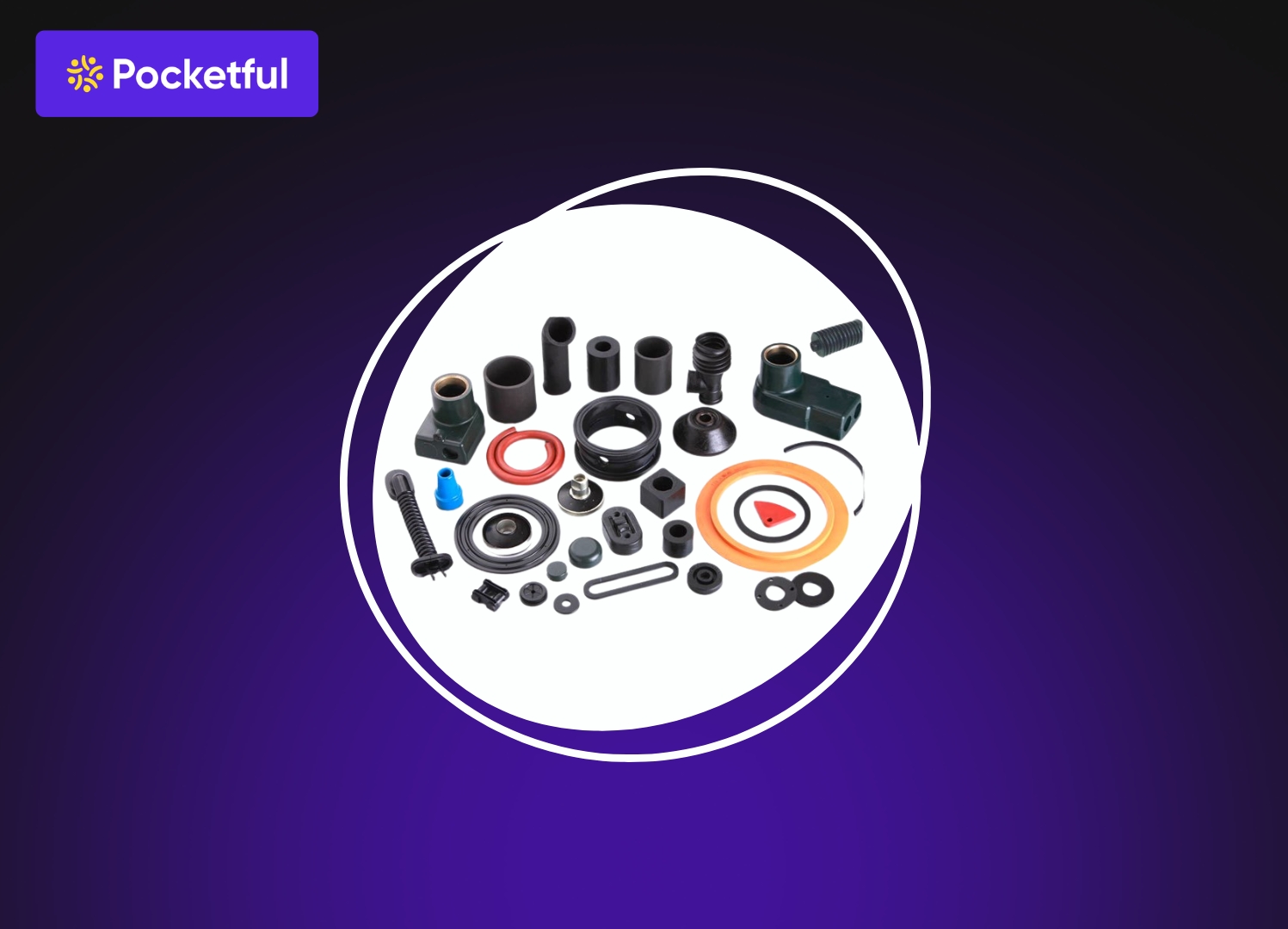
If you have ever changed a car tyre after a puncture on a highway, you already understand one thing: they are important.
That is why rubber and tyre companies often become steady long-term investment options. Demand doesn’t disappear. Cars need tyres. Trucks need tyres. Tractors need tyres, and what’s more crucial is that tyres need replacement.
In that context, let us learn about the best rubber stocks in India for 2026 in today’s blog.
What are Rubber Stocks?
Rubber stocks are shares of companies that either produce natural rubber or manufacture rubber-based products, mainly tyres. The Two Types of Rubber Businesses
1️. Natural Rubber Producers (Plantation Companies)
These companies grow rubber trees, extract latex, and process raw rubber sheets. Their performance depends heavily on global rubber prices, weather conditions, and export demand
In India, the sector is regulated and monitored by the Rubber Board of India, which tracks production, pricing trends, and policy measures.
2. Tyre Manufacturers
Tyre companies purchase rubber (both natural and synthetic), manufacture tyres, and sell them to car owners (replacement market), automobile manufacturers, truck fleet operators, and the agriculture and mining sectors
Some well-known Indian tyre companies include MRF Limited, Apollo Tyres Limited, and CEAT Limited, among others. These companies are called rubber stocks.
List of Best Rubber Stocks based on Market Capitalisation
| S. No | Company | Market Cap (₹ Cr) | CMP (₹) | 52-Week High (₹) | 52-Week Low (₹) |
|---|---|---|---|---|---|
| 1 | MRF Limited | 61,051.00 | 143,950.00 | 163,600.00 | 102,124.05 |
| 2 | Balkrishna Industries Limited | 48,686.00 | 2,518.50 | 2,817.50 | 2,152.05 |
| 3 | Apollo Tyres Limited | 28,881.00 | 454.75 | 540.50 | 370.90 |
| 4 | JK Tyre & Industries Limited | 15,416.00 | 534.75 | 611.90 | 243.00 |
| 5 | CEAT Limited | 15,059.00 | 3,723.00 | 4,438.00 | 2,343.05 |
| 6 | TVS Srichakra Limited | 3,061 | 3998.9 | 4,775.80 | 2,431.80 |
| 7 | Goodyear India Limited | 1,875 | 812.95 | 1,071 | 764 |
| 8 | Tinna Rubber and Infrastructure Limited | 1,307 | 725 | 1,110 | 586.15 |
| 9 | GRP Limited | 922 | 1,729.80 | 3,224.95 | 1,500 |
| 10 | PTL Enterprises Ltd | 503 | 38 | 47.4 | 34.72 |
Read Also: Best Gas Distribution Stocks in India
Overview of of Best Rubber Stocks
1. MRF Limited
MRF Limited company was founded in 1946 as the Madras Rubber Factory. MRF initially produced toy balloons. Over time, it moved into tread rubber and then entered full tyre manufacturing. With its headquarters in Chennai, MRF grew constantly and consistently to become India’s largest tyre manufacturer by revenue. The company currently operates multiple manufacturing plants across India and exports to over 60 countries.
Know the Returns:
| 1Y Return (%) | 3Y Return (%) | 5Y Return (%) |
|---|---|---|
| 32.45 | 66.23 | 64.41 |
2. Apollo Tyres Limited
Apollo Tyres Limited company was established in 1972. Apollo Tyres has grown into one of India’s largest tyre companies with global recognition. It has its headquarters in Gurgaon. The company expanded globally through acquisitions and has manufacturing facilities in India and Europe. Apollo manufactures a balanced mix of passenger and commercial tyres.
Know the Returns:
| 1Y Return (%) | 3Y Return (%) | 5Y Return (%) |
|---|---|---|
| 13.26 | 42.52 | 90.17 |
3. CEAT Limited
CEAT was established back in 1924 and operates as part of the RPG Group. Over the decades, it built a significant presence in passenger, two-wheeler, and commercial tyre segments. The company exports to more than 100 countries and has lately focused on its off-highway tyre segment. Off-highway tyres (used in tractors, mining vehicles, etc.) usually have better margins, which can lead to better growth.
Know the Returns:
| 1Y Return (%) | 3Y Return (%) | 5Y Return (%) |
|---|---|---|
| 42.05 | 156.21 | 137.66 |
4. JK Tyre & Industries Limited
JK Tyre is part of the JK Organisation and is recognised for pioneering radial tyre technology in India. The company has a strong presence in the truck and bus radial segments and manufactures passenger, commercial, farm, and off-the-road tyres. Truck tyres are important for logistics. When infrastructure spending increases, freight movement rises. That means higher truck utilisation and faster tyre replacement.
Know the Returns:
| 1Y Return (%) | 3Y Return (%) | 5Y Return (%) |
|---|---|---|
| 85.54 | 259.15 | 318.42 |
5. Balkrishna Industries
Balkrishna Industries company was founded in 1987, and Balkrishna Industries specialises in off-the-road, agricultural, and industrial tyres. Unlike traditional passenger-focused tyre companies, Balkrishna created its strategy around niche segments. If global agriculture or construction grows, the company will directly gain from this growth.
Know the Returns:
| 1Y Return (%) | 3Y Return (%) | 5Y Return (%) |
|---|---|---|
| -6.83 | 22.09 | 57.35 |
6. TVS Srichakra
TVS Srichakra company was incorporated in 1982. TVS Srichakra is part of the well-known TVS Group. It initially focused on tyres for two and three-wheelers, segments that dominate Indian roads. Over time, it expanded into passenger vehicle, farm, industrial, and off-highway tyres. With manufacturing facilities in Tamil Nadu and Uttarakhand, TVS Srichakra also exports to several global markets.
Know the Returns:
| 1Y Return (%) | 3Y Return (%) | 5Y Return (%) |
|---|---|---|
| 43.35 | 44.27 | 108.4 |
7. Goodyear India
Goodyear India has been part of the country for over a century. The company was incorporated in 1922, and it began manufacturing tyres and rubber products locally long before India’s automobile boom began. It became a public company in 1961 and today operates manufacturing plants in Ballabgarh (Haryana) and Aurangabad (Maharashtra). While it produces tyres for passenger and commercial vehicles, it is particularly well known for its strong presence in the farm tyre segment, supplying leading tractor manufacturers.
Know the Returns:
| 1Y Return (%) | 3Y Return (%) | 5Y Return (%) |
|---|---|---|
| -7.33 | -21.87 | -15.42 |
8. GRP Limited
GRP Limited company was founded in 1974 as Gujarat Reclaim & Rubber Products Limited. The company collects used tyres and processes them into reusable rubber materials. These materials are then supplied to industries like automotive, infrastructure, and consumer goods. Recycling tyres instead of letting them become waste makes GRP a different company in the rubber sector.
Know the Returns:
| 1Y Return (%) | 3Y Return (%) | 5Y Return (%) |
|---|---|---|
| -34.73 | 141.76 | 754.45 |
9. Tinna Rubber and Infrastructure Limited
Established in 1987, Tinna Rubber and Infrastructure Limited specialises in recycling end-of-life tyres into crumb rubber and reclaimed rubber. These recycled materials are used in tyres, footwear, conveyor belts, and even road construction. The company’s expansion into larger recycling capacities shows growing demand for eco-friendly rubber solutions.
Know the Returns:
| 1Y Return (%) | 3Y Return (%) | 5Y Return (%) |
|---|---|---|
| -31.76 | 307.61 | – |
10. PTL Enterprises Ltd
PTL Enterprises was established in 1959, when it operated as Premier Tyres Limited in Kerala. The company was once a tyre manufacturer, but over time, ownership and operational changes changed its role. In the 1990s, Apollo Tyres gained control. Although PTL remains listed, its primary revenue model now revolves around leasing income rather than direct tyre sales.
Know the Returns:
| 1Y Return (%) | 3Y Return (%) | 5Y Return (%) |
|---|---|---|
| -1.65 | 24.1 | 84.73 |
Key Performance Indicators
| S. No | Company | ROCE (in %) | ROE (in %) | Operating Profit Margin | Net Profit Margin |
|---|---|---|---|---|---|
| 1 | MRF Limited | 13.77 | 10.11 | 10.08 | 6.63 |
| 2 | Balkrishna Industries Limited | 20.29 | 15.93 | 22.16 | 15.84 |
| 3 | Apollo Tyres Limited | 10.83 | 7.59 | 8.27 | 4.28 |
| 4 | JK Tyre & Industries Limited | 14.00 | 10.20 | 8.31 | 3.51 |
| 5 | CEAT Limited | 15.36 | 10.81 | 7.02 | 3.4 |
| 6 | TVS Srichakra Ltd | 6.11 | 1.74 | 3.13 | 0.63 |
| 7 | Goodyear India Limited | 12.05 | 9.18 | 3.04 | 2.11 |
| 8 | Tinna Rubber and Infrastructure Limited | 27.85 | 27.14 | 14.04 | 8.69 |
| 9 | GRP Limited | 21.53 | 16.02 | 9.70 | 5.57 |
| 10 | PTL Enterprises Ltd | 6.02 | 6.53 | 97.89 | 56.41 |
Read Also: Top Tyre Stocks in India
Advantages of Investing in Rubber Stocks
- Consistent Demand: Tyres do not last forever. No matter how strong or weak auto sales are in a particular year, vehicles already on the road will eventually need new tyres. That replacement cycle creates recurring demand.
- Export Opportunities: Several Indian rubber companies export to Europe, the US, and other global markets, since it reduces dependence on one economy, provides currency benefits when the INR weakens, and opens access to higher pricing markets.
- Cyclical Upside is not always Bad: As we know, rubber stocks are cyclical. But that is not always a bad thing. When rubber prices fall, auto demand improves, and exports grow. Margins can expand sharply, and earnings can also improve, which ultimately benefits the company.
Disadvantages of Investing in Rubber Stocks
- Raw Material Price Volatility: Rubber prices can fluctuate sharply due to weather conditions, supply disruptions, and global demand changes. Since raw material costs form a significant portion of expenses, sudden price increases can compress margins and impact profitability.
- High Dependence on the Auto Sector: A large share of demand for rubber products, especially tyres, comes from the automobile industry. If auto sales slow down due to economic weakness, high interest rates, or lower consumer demand, rubber companies may face reduced orders and slower revenue growth.
- Intense Competition and Pricing Pressure: The tyre and rubber industry is highly competitive, with domestic and global players competing on price and quality. This can limit pricing power, reduce margins, and increase marketing and distribution costs, especially during periods of weak demand.
Read Also: Best Material Stocks in India
Conclusion
The rubber sector stocks may not be the most talked about in the market, but it plays an important role in our lives. Every car, truck, tractor, and two-wheeler running on Indian roads depends on tyres, and tyres depend on rubber. What makes this sector interesting is the balance it provides to the investors. The key is understanding that rubber stocks are cyclical businesses with structural long-term demand. They reward investors who can handle short-term volatility and think beyond quarterly fluctuations.
Frequently Asked Questions (FAQs)
01
Are rubber stocks and tyre stocks the same?
No. Rubber stocks can include plantation companies and recycling firms, but in India, the term usually refers to tyre manufacturers.
02
Why are tyre companies considered rubber stocks?
Since rubber is their primary raw material.
03
Are rubber stocks cyclical?
Yes. The performance of the rubber stocks depends on vehicle demand, economic growth, and rubber prices.
04
Are rubber stocks good for long-term investment?
They can be a good option for long-term investment, especially if bought during cyclical downturns and held through recovery phases.
05
Do rubber stocks pay dividends?
Some established tyre companies do pay dividends, but not every company.
Disclaimer

The securities, funds, and strategies discussed in this blog are provided for informational purposes only. They do not represent endorsements or recommendations. Investors should conduct their own research and seek professional advice before making any investment decisions.
Article History


 Facebook
 Twitter
 Instagram
 LinkedIn
 Youtube