



| Type | Description | Contributor | Date |
|---|---|---|---|
 | Post created | Pocketful Team | Aug-11-26 |
Read Next
- How to Place an Order During CAS Window
- What is the Impact Cost in Trading?
- Stock Market Crash in India: History & Causes
- Fundamental Trading: A Beginner’s Guide
- What is MetaTrader 4 (MT4)?
- Types of Financial Instruments available for Trading in the Capital Market
- Importance Of Algo Trading In Futures And Options For Traders
- Convexity in Options Trading: Meaning, Benefits & Risks
- Best AI Trading Tools in India 2026: Top 5 Tools
- What Is Vega in Options? Meaning, Importance & Example
- Delta in Options: Meaning, Formula, Uses & Examples
- What is Commodity Pool Operator (CPO)?
- Best Penny Stock Trading Platforms, Brokers & Apps
- Bid Price and Ask Price: Key Differences
- What is After Hours Trading: Definition, Benefits & Risks
- Minimum Capital Required for Options Trading in India
- Trading Terminal: Meaning, Features, Types & Benefits
- MTF Charges vs Normal Trading Charges: Key Differences
- Slippage in Trading: Meaning, Types, Causes & How to Reduce It
- Types of Stock Market Orders Explained
A Complete Guide to Commodity Trading Strategies for Traders
Published on : 11th August 2026
|Updated on : 11th August 2026



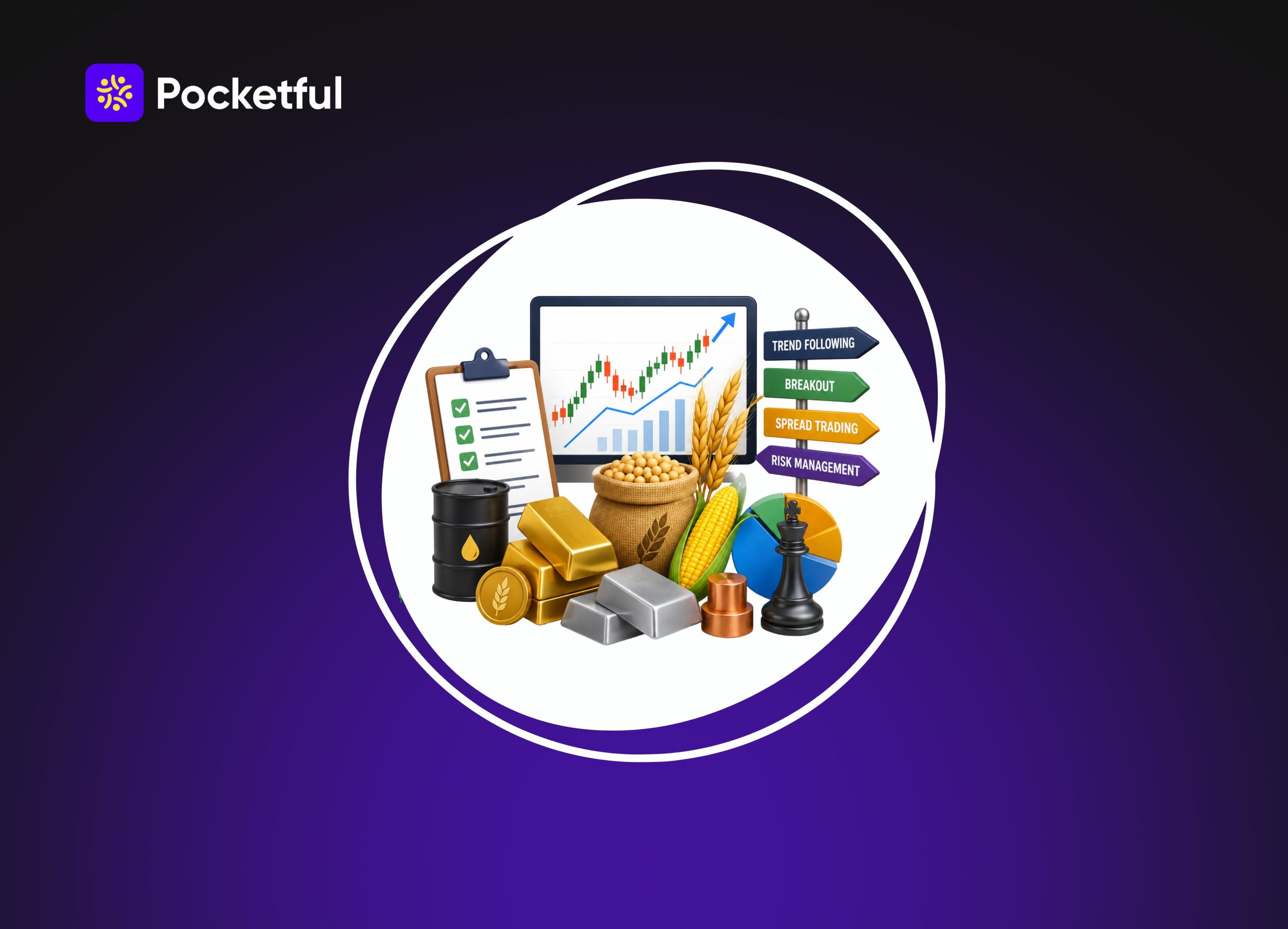
In the world of finance there are too-many exciting opportunities other than simple stocks and mutual funds.One of them is given to us by nature called commodity trading, Area that attracts immense attention of buying and selling of raw materials like gold, crude oil, and agricultural goods. This space allows market participants to explore global price movements and diversify their investment portfolios. By understanding how these specific markets work, individuals can unlock new financial potential. This report explores the essential concepts of trading these raw materials and provides a clear path for beginners.
What is Commodity Trading
Commodity trading involves buying and selling primary raw materials in a regulated exchange environment. Instead of physically holding goods in a warehouse, participants trade financial contracts. In india platforms like the multi commodity exchange (MCX) and national commodity and derivatives exchange (NCDEX) facilitate these specific trades.
To succeed in this market, having a solid commodity trading strategy is entirely essential. A commodity trading acts as a clear set of rules that guides exactly when to buy and sell. It helps individuals navigate market ups and downs with a very calm mindset.
For example: a trader expects crude oil prices to rise due to any good reason. They buy a crude oil contract at a fixed price today using their chosen commodity strategy. If the price goes up next week, they sell the contract for a profit.
Top 5 Popular Commodity Trading Strategies
Using a well-tested method helps participants manage risks and find steady opportunities. Below are five widely used strategies that traders rely upon in the Indian financial markets.
1. Trend Following Strategy
This approach focuses on moving with the market direction instead of guessing where it will go next. Traders look for clear upward or downward movements over a specific period. They use simple tools to confirm the direction before placing their money in the trade.
For instance, consider a situation where silver shows a strong upward movement. The price changed from Rs. 80,000 to 85,000 per kilogram with high trading volumes. A trader enters a buy position after a small dip, which is called a pullback. They expect the upward path to continue further. This works best when markets have a very clear direction. Traders usually confirm their entries using breakout signals or moving averages.

2. Mean Reversion Strategy
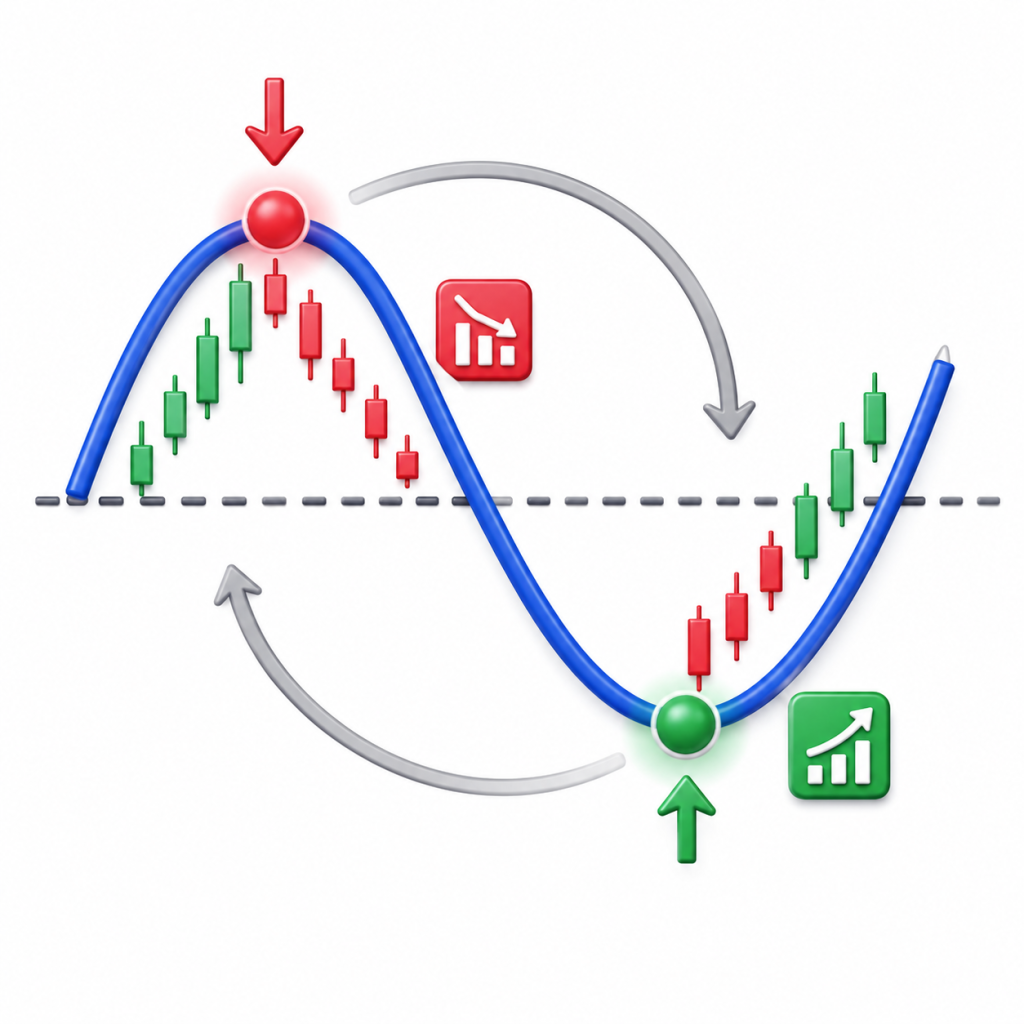
The mean reversion strategy relies on a very simple idea. Prices in the financial market do not move in one single direction forever. When a price moves too high or too low very quickly, it eventually returns to its normal average price.
For example, imagine copper suddenly jumps from 7000 rupees to 7600 rupees in just a few days. If there is no strong economic reason for this jump, traders expect it to drop back. They assume it will return to an average of 7200 rupees. They decide to sell at the high point to capture profit as the price falls back to normal levels.
3. Breakout Strategy
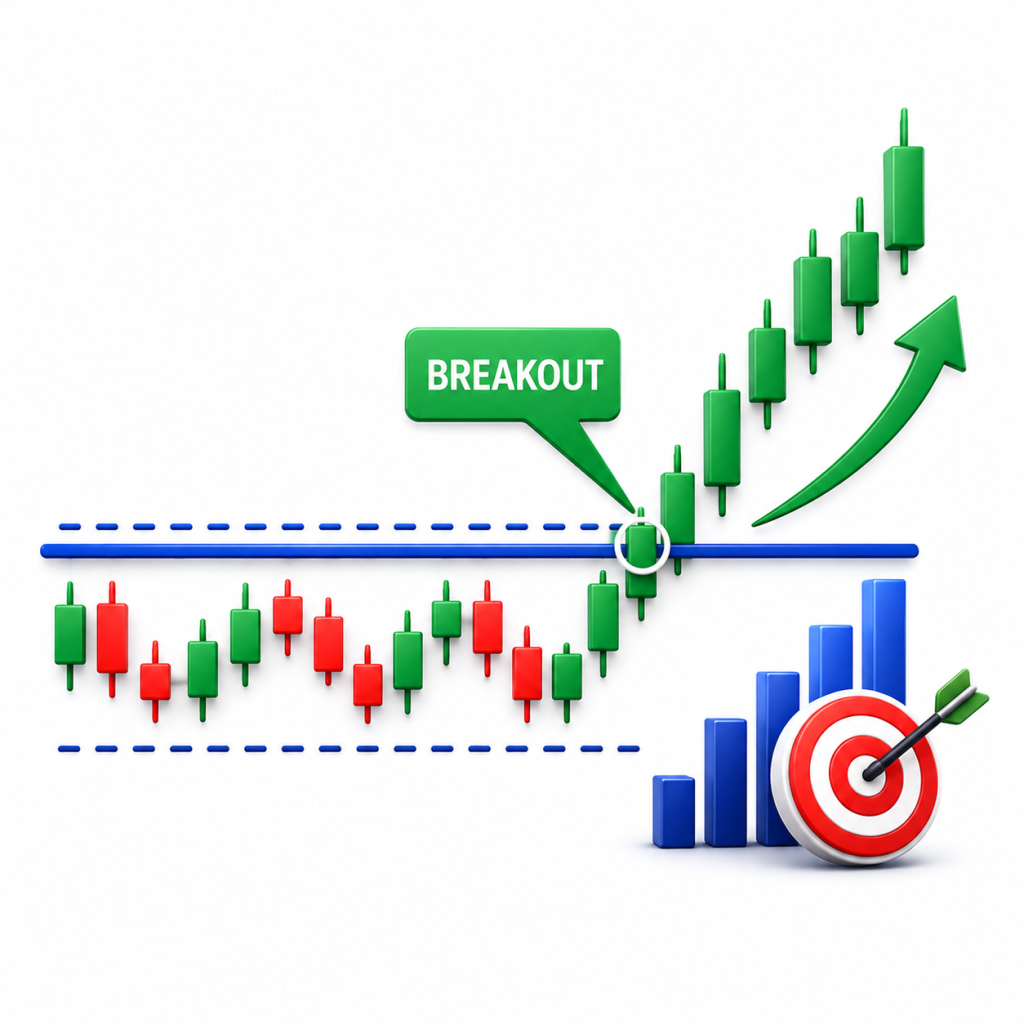
The breakout method is highly useful when markets move out of a tight and quiet range. Traders closely watch for the price of an asset to break above a resistance ceiling. They also watch if it breaks below a support floor. High trading volume during this break signals the start of a brand new trend.
For example, natural gas might stay between 200 rupees and 220 rupees for several weeks. If it suddenly crosses above 220 rupees with high volume, it signals a new upward trend. Traders buy at this exact breakout point to catch the rising momentum early. They also set strict limits below the breakout to manage risks. A disciplined trader finds this method very practical.
4. Range Trading Strategy
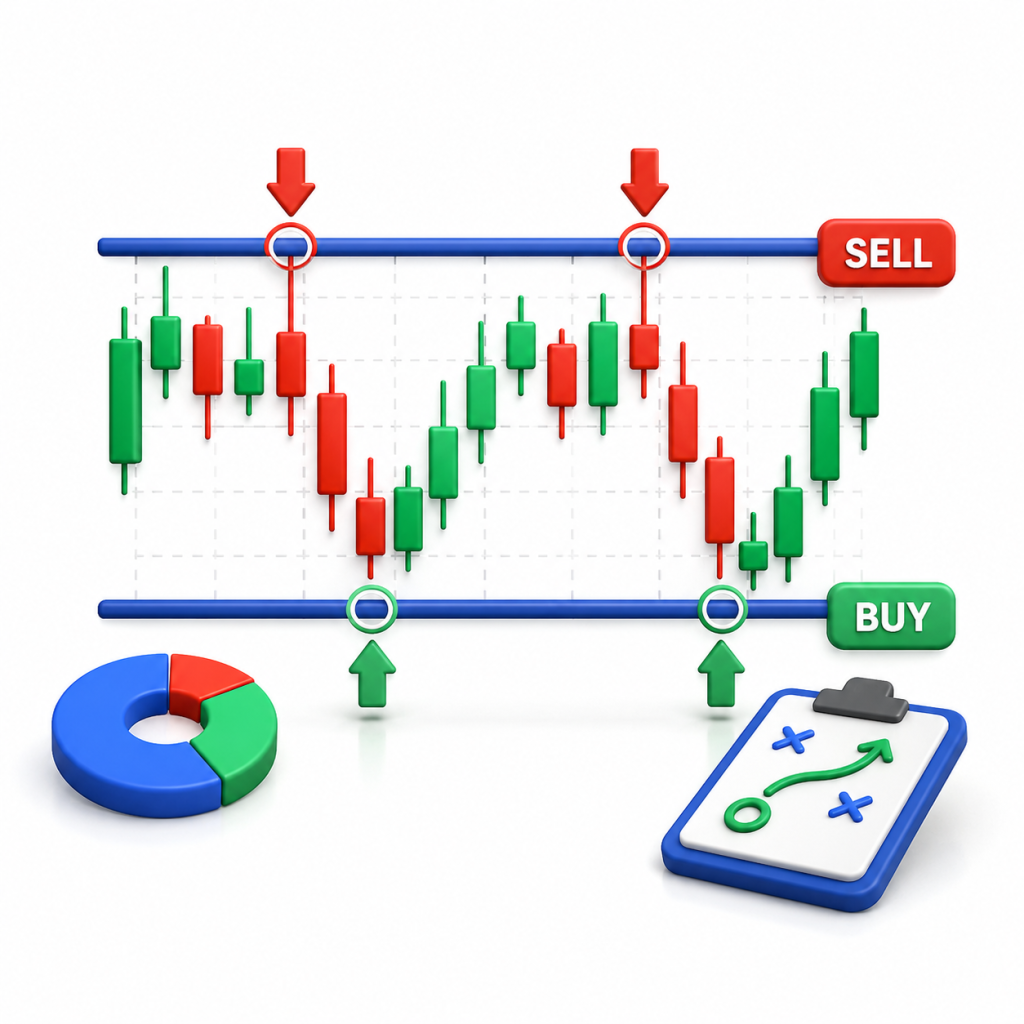
Sometimes markets do not show a clear long term trend. Instead, prices bounce back and forth between two specific boundaries for a long time. Traders use range trading to make profits from these repeated bounces.
For example, zinc might consistently bounce between 250 rupees and 270 rupees. Traders will buy near the lower 250 rupees mark. They then sell near the higher 270 rupees mark. This technique works incredibly well in sideways markets. It is effective when no major news is driving the price. Traders repeat this buying and selling process until a final breakout occurs.
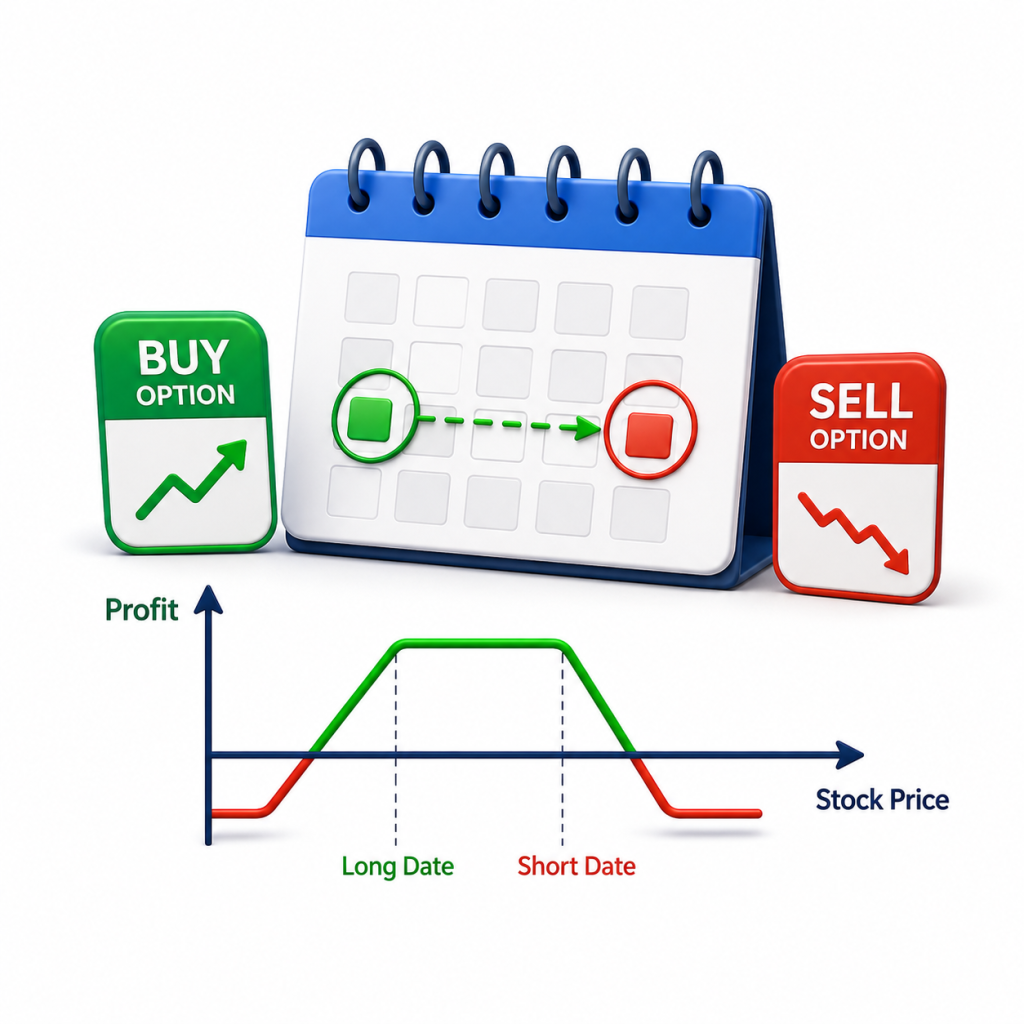
5. Calendar Spread Trading
Calendar spread trading involves taking positions in two contracts of the same commodity but with different expiry months. The focus is on the price difference between the two contracts. Traders do not focus heavily on the absolute direction of the commodity price.
For example, a trader might buy a current month contract for gold and sell a next month contract. They do this if they expect the near term demand to be much higher than the future demand. This situation is called backwardation in the market.
Factors Affecting Commodity Prices
Commodity markets react very quickly to real world events and news. Several key elements drive these sudden price changes on a daily basis.
- Supply and Demand: The most basic rule of the market is supply and demand. If a commodity is high in demand but the supply is quite low, the prices will naturally increase. On the other hand, if there is too much supply in the market and very few buyers, the prices will quickly fall. Traders must always track global supply chains to understand these shifts.
- Geopolitical Events: Supply chains can be instantly disrupted. This is done by global conflicts or policy changes. This happens in major oil producing countries. For example, instant price jumps is often caused by tensions in the Middle East. This is seen across the global energy sector. High volatility in the market is created by these geopolitical events. Crude oil and natural gas prices is directly affected by it.
- Currency Fluctuations: A massive role is played by the value of the Indian Rupee. This is seen in the local commodity markets. Massive amounts of raw materials is imported by India. These are like gold and crude oil. The Rupee might have become weaker compared to the United States Dollar. Importing these items is made much more expensive by this. The domestic prices of these assets is directly increased.
- Government Policies: An immediate impact on commodity availability is had by government decisions. Export bans might be announced by the government. Import duties might be increased. Strict inventory limits for certain goods can be set by them. The availability of raw materials is altered overnight by such rules. Sudden spikes or drops in commodity prices is caused by this.
Read Also: What is the Timing for Commodity Market Trading?
Common Mistakes to Avoid in Commodity Trading
Even experienced individuals can face challenges if they ignore basic market rules
- Trading Without a Solid Plan: Many beginners ignore building a proper system. To avoid this, market participants should always stick to a predefined commodity trading strategy. Ignoring unverified market noise is essential for long term success.
- Ignoring Risk Management Tools: Not using a stop loss order is highly dangerous in any financial market. A sudden news event can wipe out an entire trading account if safety limits are not firmly set in place. A successful commodity strategy always includes strict rules for capital protection. Traders must define their acceptable risk before taking any position.
- Using Too Much Leverage: Margin trading allows individuals to trade larger amounts with very little upfront capital. While this can multiply profits, it also heavily multiplies losses if the market moves the wrong way. Borrowing too much funds is a common trap. It is always better to use leverage safely and well within personal financial limits.
- Overtrading the Market: Taking too many trades in a single day to recover previous losses rarely works out well for anyone. This behavior is often driven by pure emotion rather than logic. Overtrading increases brokerage costs and severely hurts emotional balance. Traders should step away from the screen after facing a few consecutive losses.
- Ignoring Global News and Data: Commodities are deeply linked to world events and international data releases. Ignoring things like global inventory reports or central bank announcements is a huge mistake.
How Pocketful Makes Commodity Trading Easy
Choosing the right platform is critical for executing a smooth and successful plan. Pocketful provides a clean and supportive environment for both new and experienced participants.
| Pocketful Feature | How it Benefits the Trader |
|---|---|
| Zero Hidden Costs | Pocketful offers zero account opening fees and zero annual maintenance charges for users. It also provides some of the lowest margin trading facility interest rates in the industry. This keeps the entire trading journey highly cost effective for beginners and professionals alike. |
| Advanced Trading Tools | The platform integrates TradingView charts and advanced technical indicators directly into the interface. Users get access to features like Scalper, bracket orders, cover orders, and detailed option chains. This allows users to track price trends and execute orders precisely. |
| Simple User Interface | Traders can navigate the application quickly without feeling confused by heavy screen clutter. This clean design makes daily market monitoring a pleasant experience. |
| Free Algo API | For advanced users, Pocketful provides free APIs to automate trades directly from the system. This allows participants to code their rules and run their chosen plans smoothly without manual effort. |
Read Also: Best Commodity Trading Platforms in India
Conclusion
The dynamic world of raw materials brings a fresh dimension to financial growth. Usually commodity trading requires focus on global events but having a structured planned approach makes the journey much easier. These markets can be navigated effectively. It can be learned by anyone. Proper risk management is needed. A calm mindset is also required by it. Their chosen systems must be followed consistently by them.
Frequently Asked Questions (FAQs)
01
What is a commodity trading strategy?
It is a structured plan used by market participants to buy and sell raw materials based on specific rules. It helps manage risks effectively.
02
What are the main benefits of a commodity strategy?
A strategy provides discipline and prevents emotional decisions. It limits potential losses and helps identify clear entry and exit points in the market.
03
How to use a trend following strategy?
Traders review historical charts to spot a clear upward or downward direction. They only place trades that strictly align with this existing market trend.
04
How can a beginner use commodity strategies safely?
Beginners should start with simple methods like range trading. Using small amounts of capital helps in understanding the market mechanics without taking massive financial risks.
05
Do these strategies work for all commodities?
Yes, these methods can be applied across different items like gold or crude oil. However, they must be adjusted for each asset’s unique volatility levels
Disclaimer

The information shared in this content is intended solely for educational and informational purposes and should not be considered financial, investment, or trading advice. Any references to stocks, mutual funds, or market instruments are purely for informational purposes and do not constitute recommendations. Investments in financial markets are subject to market risks, and past performance is not indicative of future returns. Readers are advised to conduct independent research, review official documents carefully, and consult a qualified financial advisor before making any investment or trading decisions.
Article History