



| Type | Description | Contributor | Date |
|---|---|---|---|
 | Post created | Pocketful Team | Aug-18-26 |
Read Next
- How to Place an Order During CAS Window
- What is the Impact Cost in Trading?
- Stock Market Crash in India: History & Causes
- Fundamental Trading: A Beginner’s Guide
- What is MetaTrader 4 (MT4)?
- Types of Financial Instruments available for Trading in the Capital Market
- Importance Of Algo Trading In Futures And Options For Traders
- Convexity in Options Trading: Meaning, Benefits & Risks
- Best AI Trading Tools in India 2026: Top 5 Tools
- What Is Vega in Options? Meaning, Importance & Example
- Delta in Options: Meaning, Formula, Uses & Examples
- What is Commodity Pool Operator (CPO)?
- Best Penny Stock Trading Platforms, Brokers & Apps
- Bid Price and Ask Price: Key Differences
- What is After Hours Trading: Definition, Benefits & Risks
- Minimum Capital Required for Options Trading in India
- Trading Terminal: Meaning, Features, Types & Benefits
- MTF Charges vs Normal Trading Charges: Key Differences
- Slippage in Trading: Meaning, Types, Causes & How to Reduce It
- Types of Stock Market Orders Explained
What is Quoted Price in Commodity Trading?
Published on : 18th August 2026
|Updated on : 18th August 2026



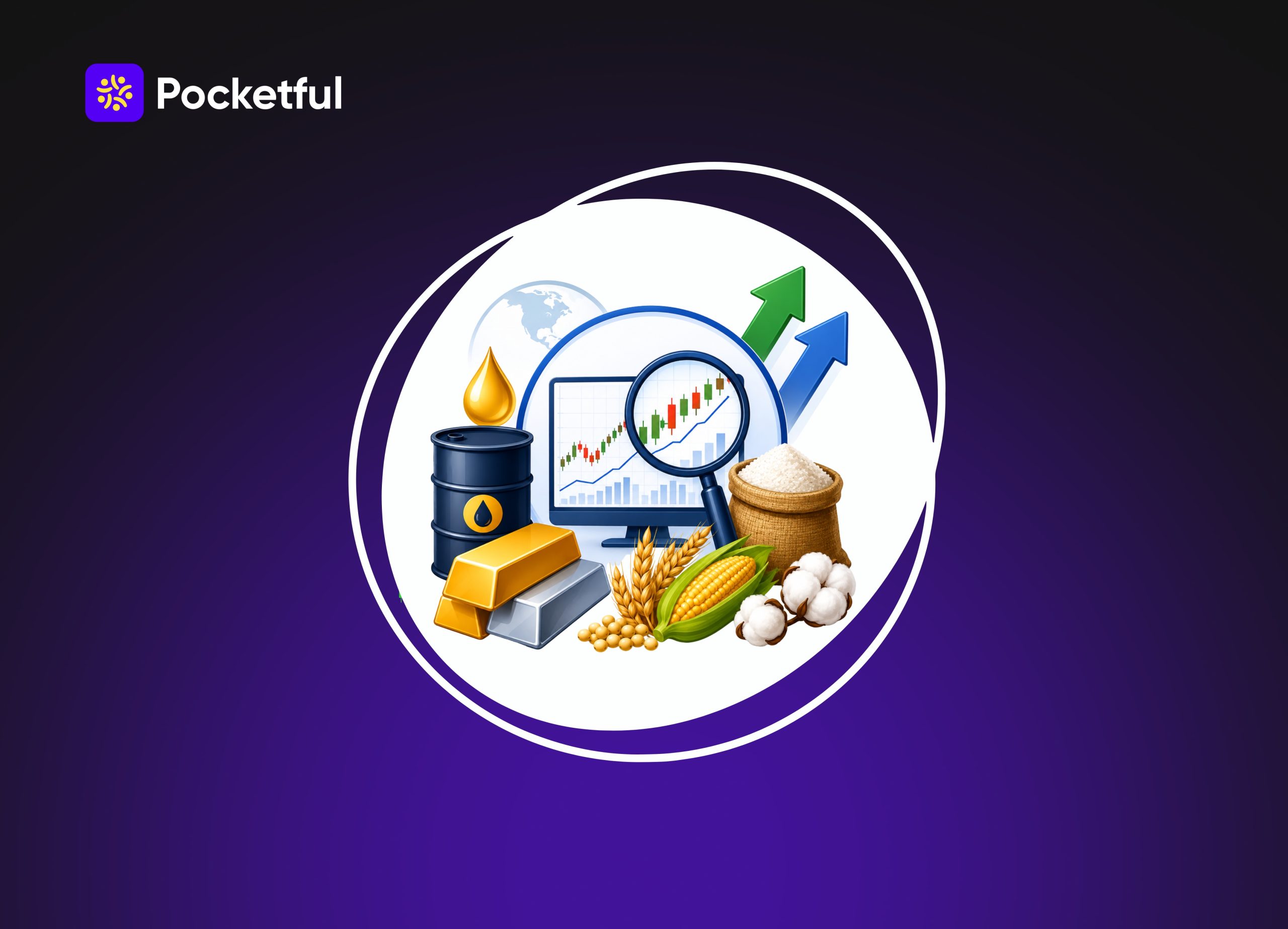
A vegetable market in a village is a perfect example of trade. Buyers shout their bids loudly. Sellers state their demands clearly. The final amount agreed upon for a basket of tomatoes is much like how trading functions on a larger scale. In the world of finance, raw materials like gold, silver, and crude oil change hands every single second. Understanding how buyers and sellers agree on a final amount is the first step to mastering the markets.
What is Quoted Price in Commodity Trading?
Individuals starting their financial journey often search for terms like quoted price meaning, quoted rate, quoted price to grasp market basics. In simple terms, a quoted price is the most recent amount at which a commodity was successfully traded. It is often referred to as the last traded price.
Commodities is a basic raw materials used in everyday life. These include agricultural product like cotton and spices. They also include natural resources like crude oil, natural gas, and precious metals. Traders buy and sell these physical goods on a digital platform called an exchange.
Every single trade needs a clear reference point to function smoothly. The quoted price acts as this reliable reference point. It is never a fixed number that stays the same all day. Instead, it constantly changes based on how many people want to buy and how many want to sell.
This specific price is driven by two main elements in the market. The first element is the bid price. The bid is the absolute highest amount a buyer is ready to pay for a specific good. The second element is the ask price. The ask is the lowest amount a seller is willing to accept to part with that good.
Where are Commodity Prices Quoted?
In India, commodity prices are quoted on highly regulated trading platforms. The two main platforms are the Multi Commodity Exchange, widely known as MCX, and the National Commodity and Derivatives Exchange, known as NCDEX. These major exchanges act like giant digital marketplaces for buyers and sellers.
They have an electronic ticker that shows various commodities and their latest prices in real time. Because the market moves very fast, this digital screen updates instantly to provide accurate information.
Traders can easily see these live quotes on digital broker platforms. Pocketful is one such platform that provides real time data and clear charts. Accessing this data helps participants make quick and informed financial decisions.
Components of Commodity Quote
To fully understand the quoted price meaning, one must look closely at the different parts of a market screen. A standard commodity quote has several important components that tell a complete story about the asset. When looking at a trading screen on a platform like Pocketful, these components appear side by side.
Here are the main components listed in points for clear understanding:
- Bid Price: This is the highest amount a buyer is actively willing to pay for an asset. Buyers always want to pay less to secure a good deal.
- Ask Price: This is the lowest amount a seller is willing to accept to sell an asset. Sellers always want to get more money for their holdings.
- Bid Ask Spread: This represents the numerical difference between the bid and the ask. A smaller difference usually means the market is highly active with many participants. A wider spread means fewer people are trading at that moment.
- Last Traded Price: Often called LTP, this is the exact amount at which the most recent trade took place. It serves as the current market value for that exact second.
- Open Price: This shows the starting value of a commodity when the market opens for a specific trading session. It sets the initial mood for the day.
- High and Low Price: The high price shows the absolute highest amount the asset reached during the current trading day. The low price shows the lowest amount the asset touched. These show peak buyer interest and maximum seller pressure.
- Previous Close: This represents the final value of the commodity at the end of the previous trading day. It helps traders calculate daily changes in percentage.
- Volume: This tells traders the total quantity of the asset that was traded during a specific time. High volume indicates strong market interest and better safety for participants. When volume is high, it means thousands of buyers and sellers are actively participating.
| Component | Description | Market Purpose |
|---|---|---|
| Bid Price | Highest price a buyer will pay | Shows active buyer demand |
| Ask Price | Lowest price a seller will accept | Shows active seller supply |
| LTP | Price of the last successful trade | Shows exact current value |
| Volume | Total quantity traded in a period | Indicates overall market activity |
Read Also: Understanding Commodity Market Analysis
Factors Affecting Quoted Prices
Commodity values do not change by magic. Here are several real world factors that influence these changes every single minute.
- Demand and Supply Dynamics: This is the biggest and most basic factor driving any market. When more people want to buy an asset, the value naturally goes up. If there is a massive supply but very few buyers, the value drops.
- Global Market Trends: Indian exchanges are deeply connected to the rest of the world. If the global benchmark for crude oil rises due to international events, the local value in India will also increase. The domestic market does not operate in total isolation.
- Currency Fluctuations: Commodities in India are often influenced by the strength of the US Dollar. A weaker Indian Rupee makes imported raw materials much more expensive to buy. This currency shift directly increases the value shown on the local trading screen.
- Government Policies and Regulations: Decisions made by the government play a massive role in pricing. This affects agricultural products very strongly and can cause overnight shifts in the market.
- Market Liquidity and Volume: Assets that are traded heavily tend to have smooth and stable values. Goods that are rarely traded might see wild price swings due to low liquidity constraints.
Units of Quotation in Commodities
In the physical world, people buy everyday goods in kilograms, liters, or tons. The commodity Trading follows a very similar logic. The quoted rate quoted price always represents a specific, predefined unit of the asset. It never represents random or unspecified amounts.
When a trader looks at the trading screen, the number they see is for a standard unit. Understanding these units is extremely crucial for calculating the total trade value accurately. Different commodities use entirely different measurements based on their physical nature.
Gold is a great example to understand this system. On the Multi Commodity Exchange, the standard futures contract for gold is often quoted per 10 grams. Silver, on the other hand, is usually quoted per kilogram. Energy products have their own specific standards. Crude oil is always quoted per barrel. Natural gas is quoted in millions of British thermal units, commonly known by the short form mmBtu. Agricultural goods like cotton or chana are typically quoted per quintal. Base metals such as copper, zinc, and aluminum are strictly quoted per kilogram.
Conclusion
Understanding the basic concepts of the financial market is a truly rewarding journey. Learning how these pricing mechanisms work opens up new perspectives on global trade and daily economics. The commodity market provides a transparent platform where simple knowledge and patience go a very long way. Anyone can grasp these market concepts with a little bit of regular reading and practice.
| S.NO. | Check Out These Interesting Posts You Might Enjoy! |
|---|---|
| 1 | How to Trade in the Commodity Market? |
| 2 | What is the Timing for Commodity Market Trading? |
| 3 | Risks in Commodity Trading and How to Manage Them |
| 4 | 5 Tips for Successful Commodity Trading |
| 5 | Stock Market vs Commodity Market |
Frequently Asked Questions (FAQs)
01
What is the meaning of a quoted price in commodity trading?
It is the exact amount at which a commodity was most recently traded on an exchange. It serves as the real time market value for that specific asset.
02
What are the benefits of tracking quoted market prices?
Tracking helps individuals understand real time supply and demand trends. It allows them to spot patterns and make highly informed financial decisions.
03
How to use quoted price information for daily trading?
Traders observe these numbers to find the right time to buy or sell. Comparing current values to historical data helps in planning safer market strategies.
04
Do quoted values include broker taxes and fees?
No, the amount shown on the trading screen usually does not include broker fees or government taxes. Those specific charges are calculated separately during the final settlement.
05
Where can someone check live updates of commodity price?
Live updates are available on official exchange websites like MCX or through registered platforms like Pocketful
Disclaimer

The information shared in this content is intended solely for educational and informational purposes and should not be considered financial, investment, or trading advice. Any references to stocks, mutual funds, or market instruments are purely for informational purposes and do not constitute recommendations. Investments in financial markets are subject to market risks, and past performance is not indicative of future returns. Readers are advised to conduct independent research, review official documents carefully, and consult a qualified financial advisor before making any investment or trading decisions.
Article History